AI traffic needs trust-based review.
A side-by-side comparison of runtime memory, efficiency, and bug signals across eight IDEs: Claude Code / Cursor / VS Code / Kiro / Windsurf / Trae / Zed / JetBrains; multi-source online verification + adversarial review, with proxy signal notes and scenario-based buying recommendations.
AperData targets robot data bottlenecks.
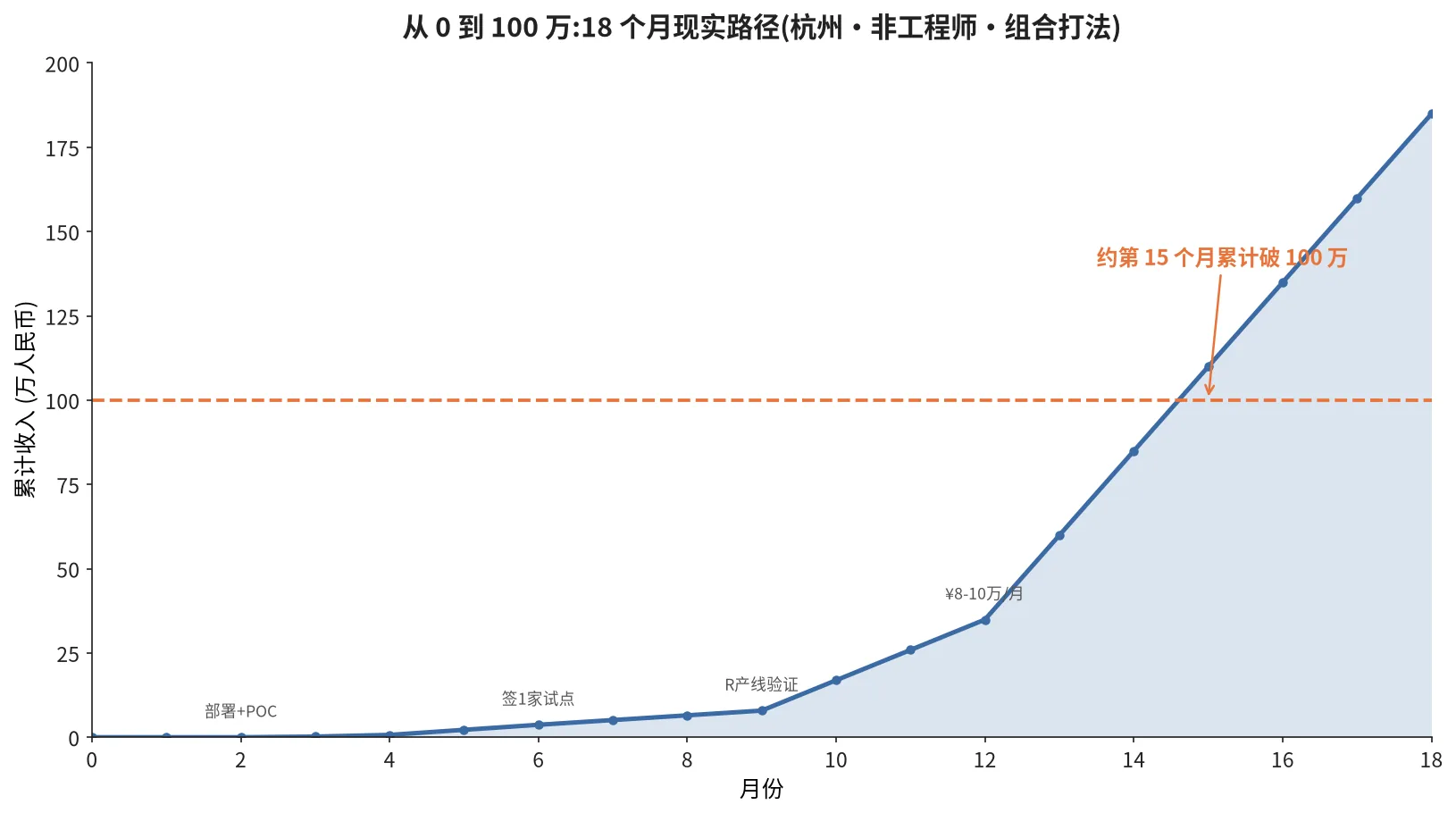
Fact-checking MatrAIx (Harvard+MIT's 8.3-billion-persona AI behavior simulator): is it real, can you deploy it, can it make money? Plus the most realistic path — grounded in a non-CS + R-data + AI-agent background — to a first 1,000,000 RMB in Hangzhou, with an honest timeline and risks.
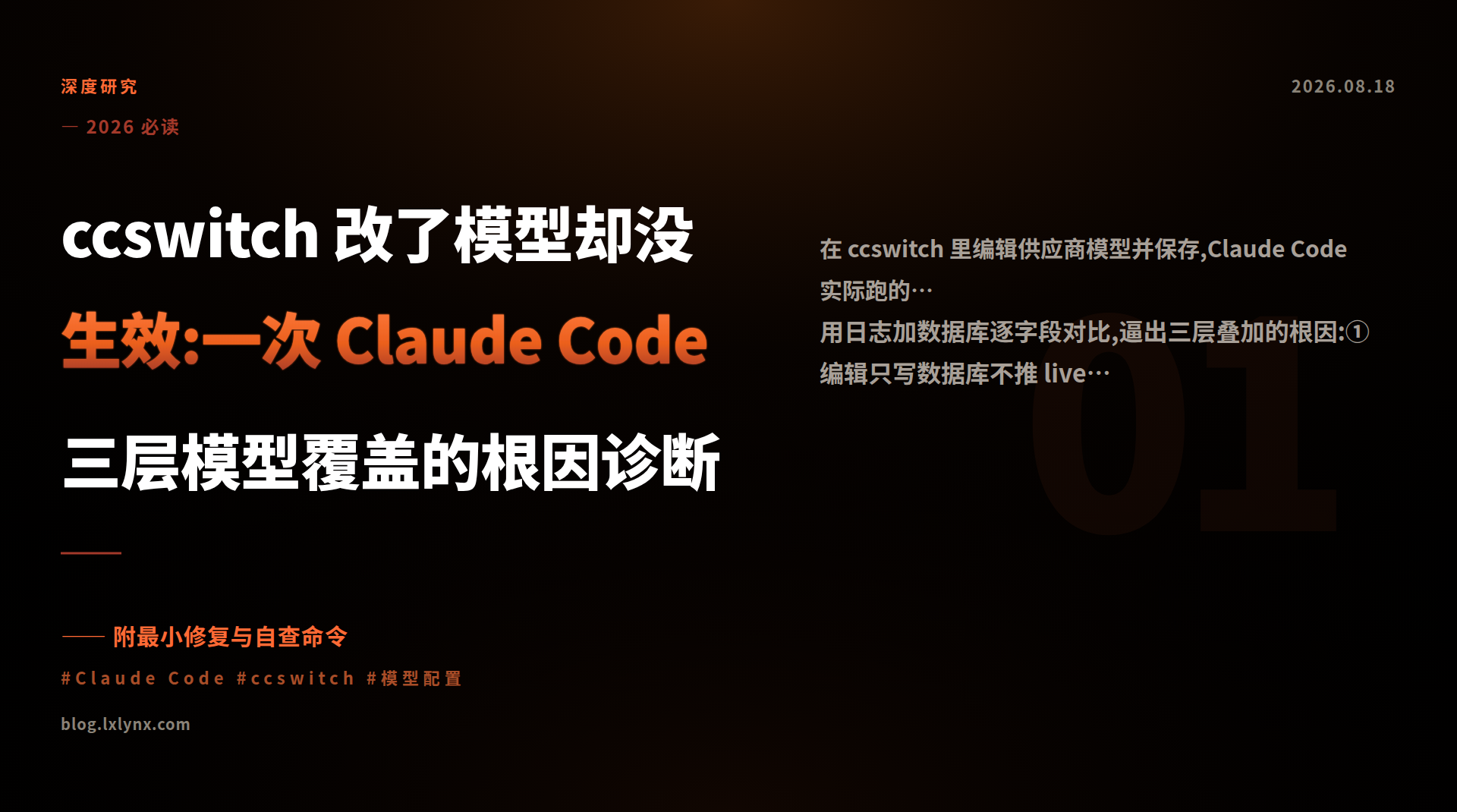
Editing a provider's model in ccswitch and saving it left Claude Code running the old model. Logs plus a field-by-field database comparison forced out three stacked root causes: (1) edit writes the DB but never pushes live, (2) the DB template drifts from the live file, (3) the ANTHROPIC_MODEL env var hard-pins over the tier mappings. Minimal fix and self-check commands included.
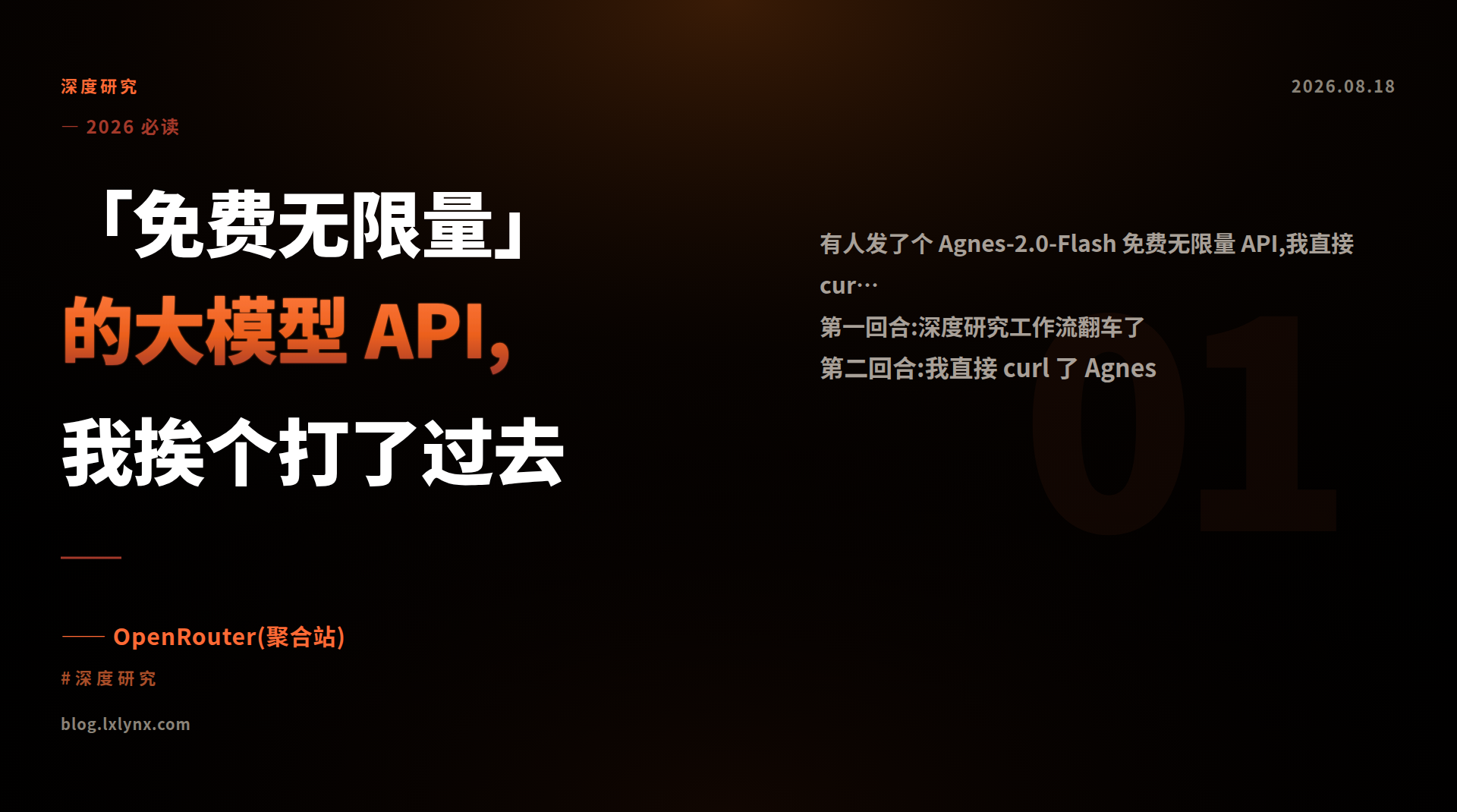
Someone posted an Agnes-2.0-Flash 'free unlimited' API. I curled it live, then mapped every free OpenAI-compatible channel I could verify — Agnes is real, 'unlimited' is not.
Ready-made AI software factories.
From runnable code to playable games
CoCo bills by token, and Snowflake provides multi-layer governance tools.
Starting from a monitoring screenshot (8 threads / 64GB / 4TB / Singapore / unmetered traffic), I identified the machine, filtered out fake low prices, compared tiered pricing, and concluded: for the same specs, KS-GAME costs ¥234/month tax included, but for my real workload, KS-1-B at ¥178/month is the comfortable choice.