
What Changed
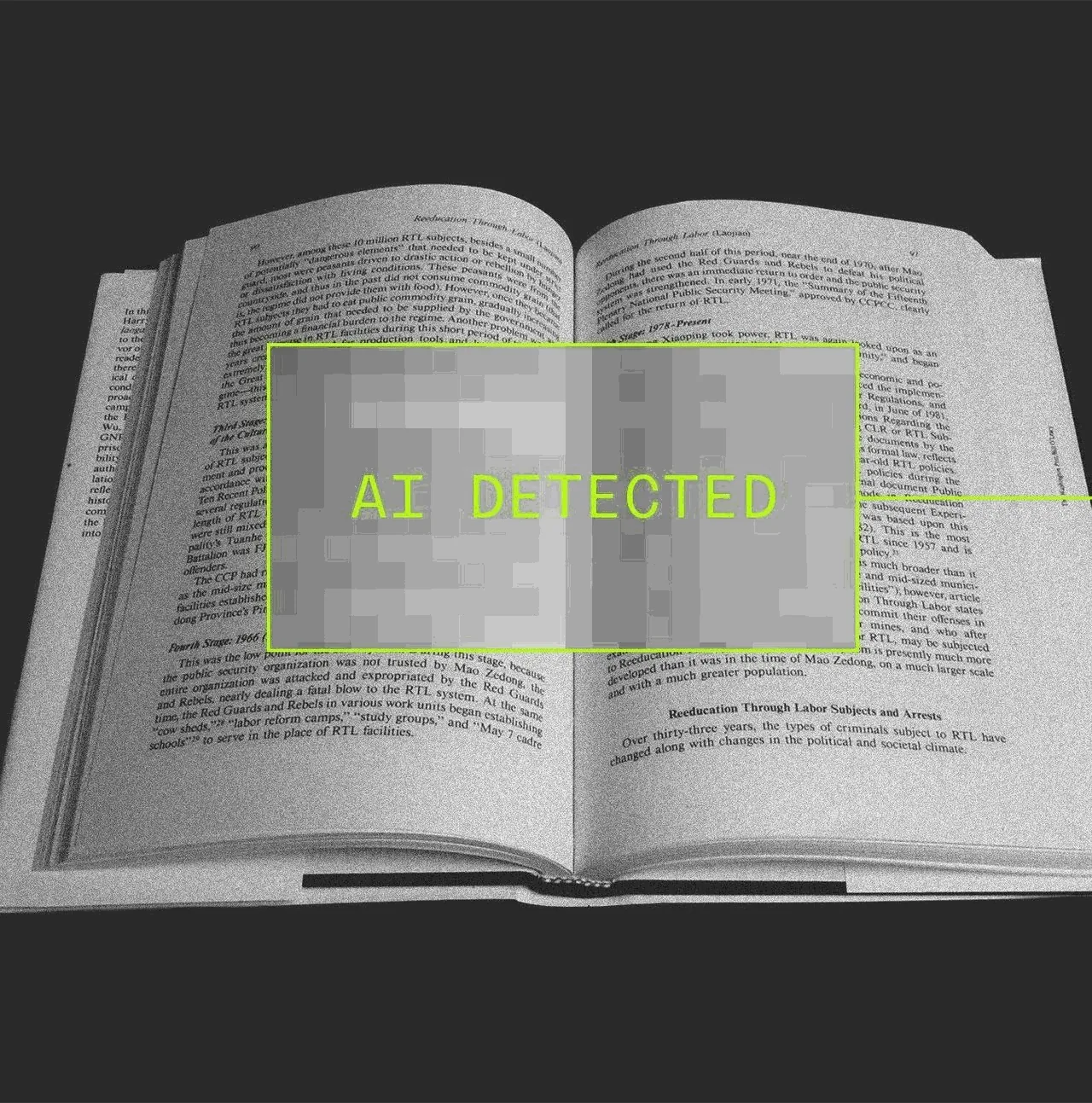
AI writing detectors were introduced as a quick way to spot machine-generated text, but they are increasingly creating a culture of suspicion. As The Verge notes, the spread of tools like ChatGPT has pushed schools, workplaces, and online platforms to ask a new question: who really wrote this?
Why Detection Is Hard
AI detectors usually look for statistical patterns in language, such as how predictable a sentence is or how much the rhythm of writing varies. In simple terms, they try to decide whether a text looks like it was assembled by a probability-based model.
That approach has limits. Clear, plain, or formulaic writing can resemble AI output. Non-native speakers and people using standard templates may be especially vulnerable to false accusations. A detector’s score can therefore become less like evidence and more like a suspicion trigger.
The social impact may be larger than the technical one. Once flagged, a person may need to produce drafts, version history, notes, or other proof that the work is their own. This shifts the burden from the accuser to the writer.
Industry Takeaway
AI detection may remain useful as one weak signal, but treating it as a final judge risks damaging trust; better provenance tools and clearer review processes will matter more than automated suspicion.