
Core Announcement Summary
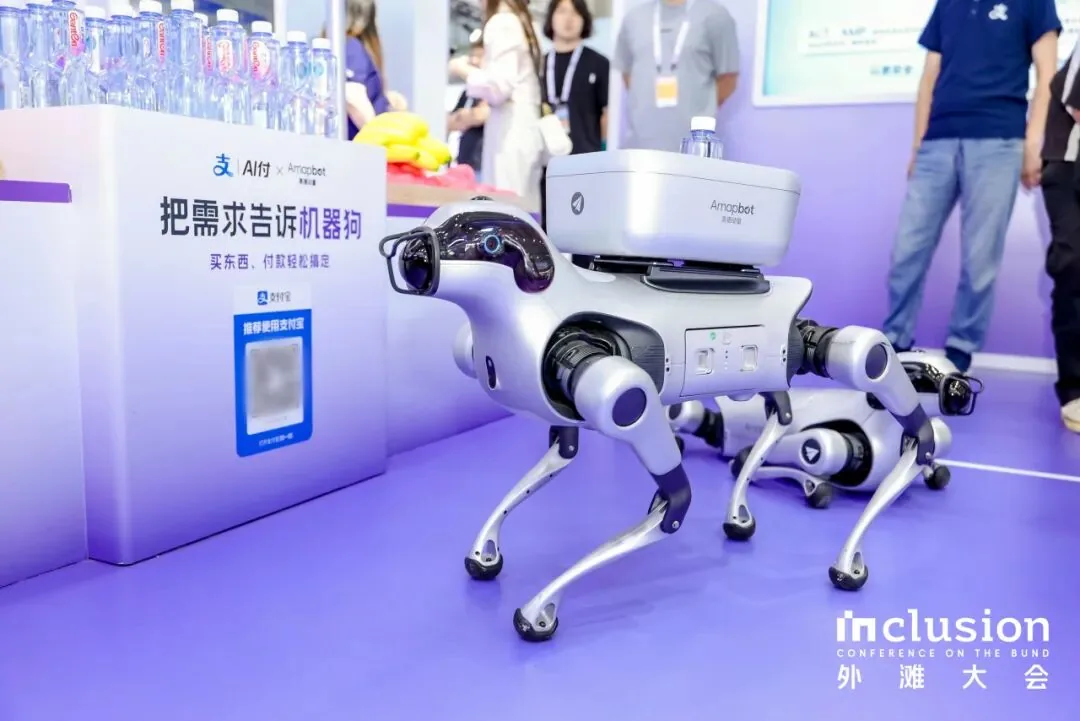
- Partners: Alipay and Gaode Momentum
- Product name: “AI Pay · Embodied Intelligence”
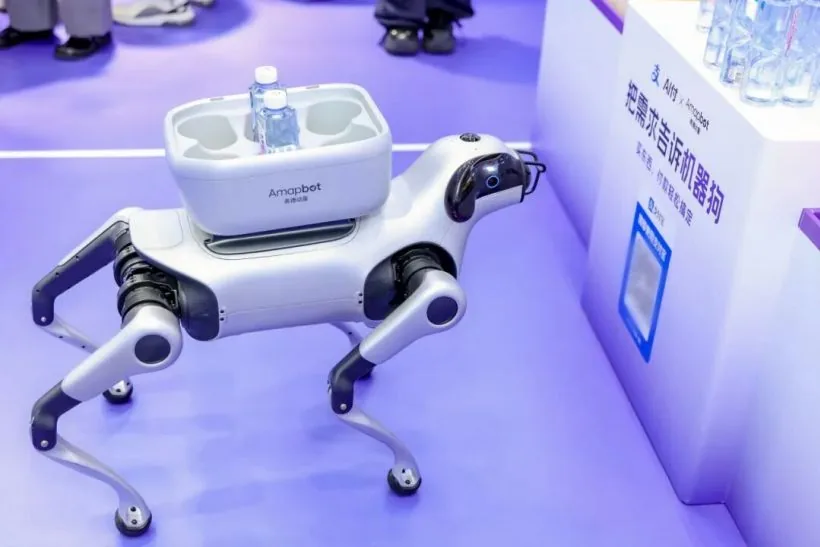
- Hardware platform: Gaode Momentum’s robot dog, Tutu
- Disclosed capability: The robot dog can follow instructions, run errands, and complete payments
- Authorization principle: The process remains within the owner’s authorized scope
Alipay has announced a collaboration with Gaode Momentum that applies AI payment capabilities to an embodied machine. Gaode Momentum’s robot dog, Tutu, can follow instructions to run errands and complete payments, including the example of buying soy sauce for its owner. Online commenters have nicknamed the concept “dog-leg payment.”
Trust Infrastructure Behind AI Pay
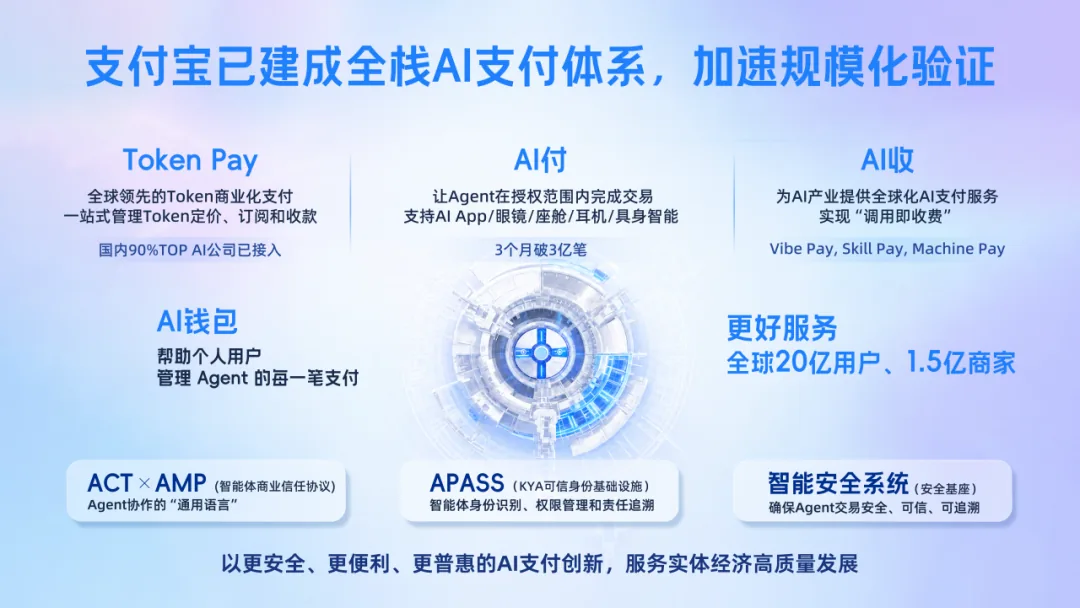
According to Alipay, AI Pay uses APASS, a business trust infrastructure developed by Ant Group. APASS is based on the KYA, or Know Your Agent, concept and establishes an end-to-end trust mechanism around an agent’s identity, intent, authorization, and behavior.
For AI payments, the challenge is not simply enabling an agent to pay. It is also about establishing who is acting, why the action is being taken, what authorization has been granted, and whether the resulting behavior remains consistent with that authorization. These questions become especially important for embodied systems that can move and interact with the physical world.
The shift from payments that merely work to payments that can be trusted suggests that agent governance needs to become part of the transaction framework. Such mechanisms can help clarify trust and accountability among users, devices, and payment services.
Deployment Status and Positioning
Based on the information disclosed, Tutu is being presented for instruction-based errands and payments. The report does not specify transaction limits, eligible product categories, deployment areas, interaction methods, or plans for public availability.
A robot dog that runs errands and pays illustrates one possible route for embodied AI to combine perception, mobility, and transaction execution. Unlike software agents operating solely online, embodied devices must also deal with changing physical environments, task handoffs, and authorization boundaries. Connecting payment capability with trust infrastructure is therefore likely to be important if such applications are to expand.
Industry Watch
Alipay also said it plans to introduce an AI Wallet Agent to help individuals manage each AI payment. No launch schedule, feature set, or usage details were disclosed in the source material.
In closing: Once AI agents begin carrying out tasks in the physical world on a user’s behalf, payment is no longer only about whether a transaction succeeds. It is also about whether agent identity, user intent, and authorization boundaries can be clearly established. This collaboration offers an example of embodied AI connecting to AI payment capabilities, while its practical rollout will require further public information.