
Apple Enters the AI Home Security Arena Withбрanded Pricing Model
Apple officially launched Apple Intelligence for Home on September 14, 2024, alongside iOS 27, bringing AI-powered event descriptions natural-language video search, activity stitching across multiple cameras, and notification reduction to HomeKit Secure Video devices. Activation requires an iCloud+ subscription, with tiered pricing based on camera count and capped at five devices per plan.
Key technical and commercial facts:
- Launch date: September 14, 2024 (iOS 27 general availability)
- Feature location: Home app Settings → Apple Intelligence
- Default ON: Reduce Notifications
- Default OFF: Summarize Videos (manual toggle required)
- Hardware requirements: Home Hub on HomePod/tvOS 27 + AI-capable iPhone on iOS 27
- Camera requirement: Must be HomeKit Secure Video compatible
Real-World Testing Across Three Platforms
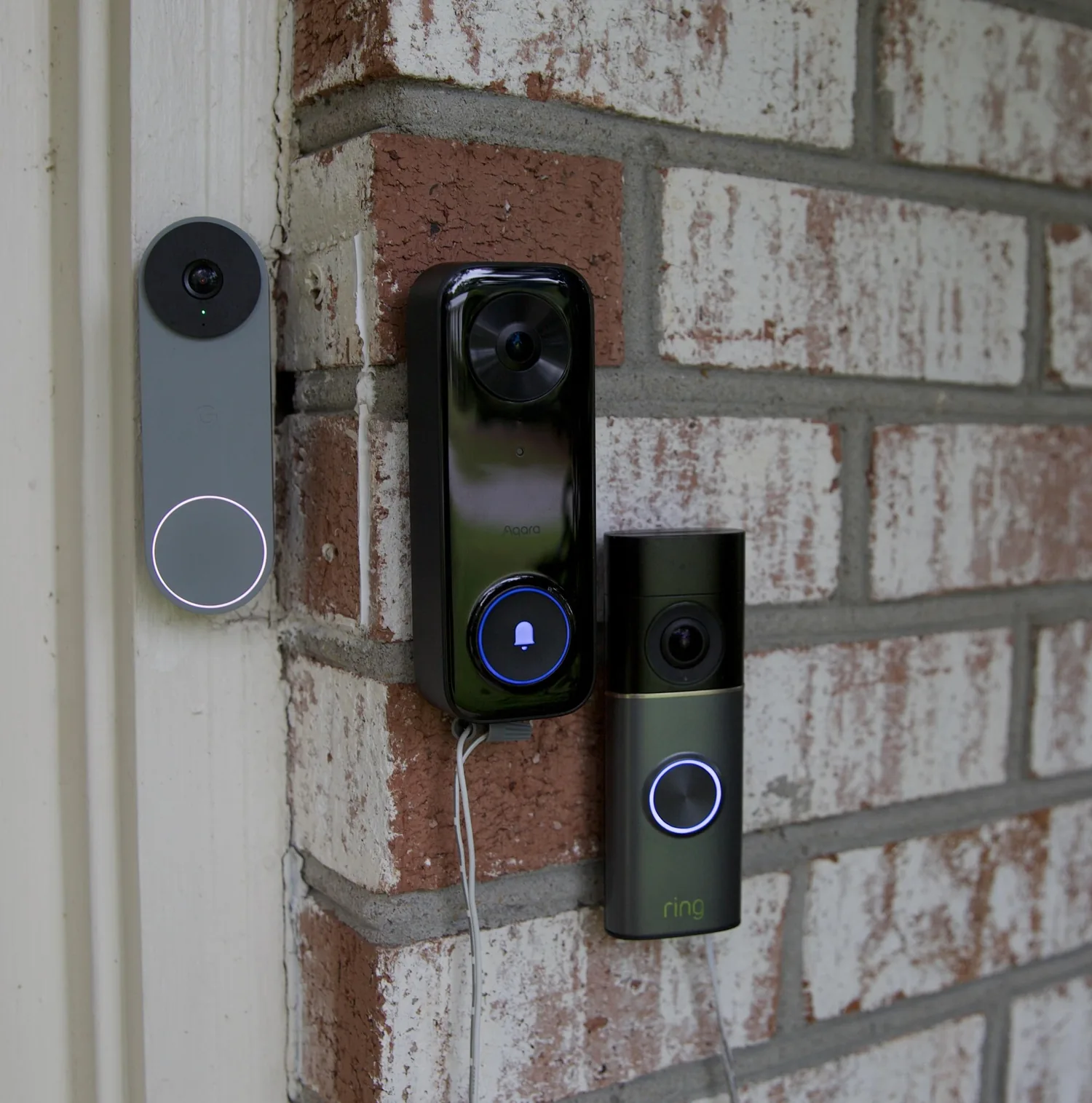
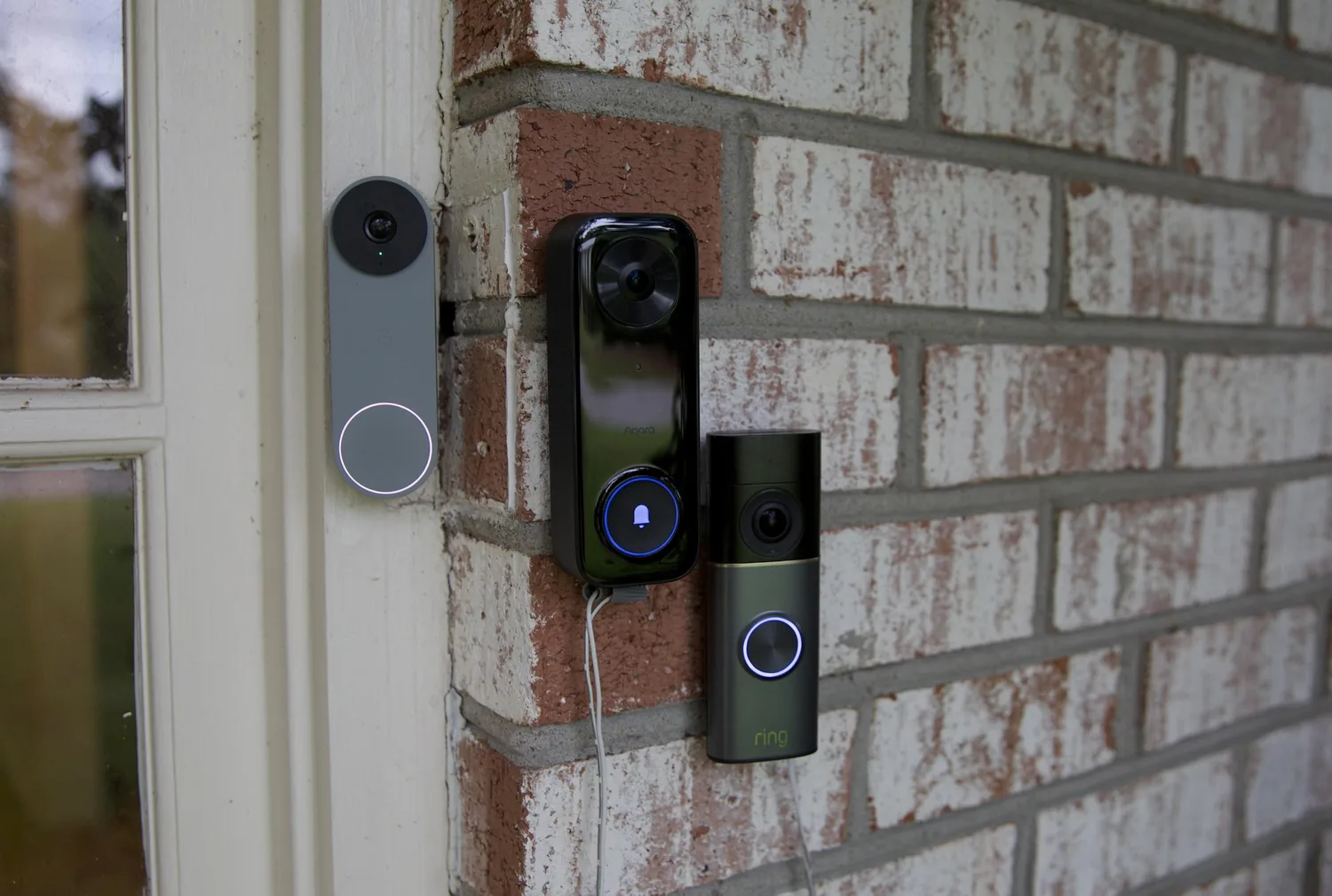
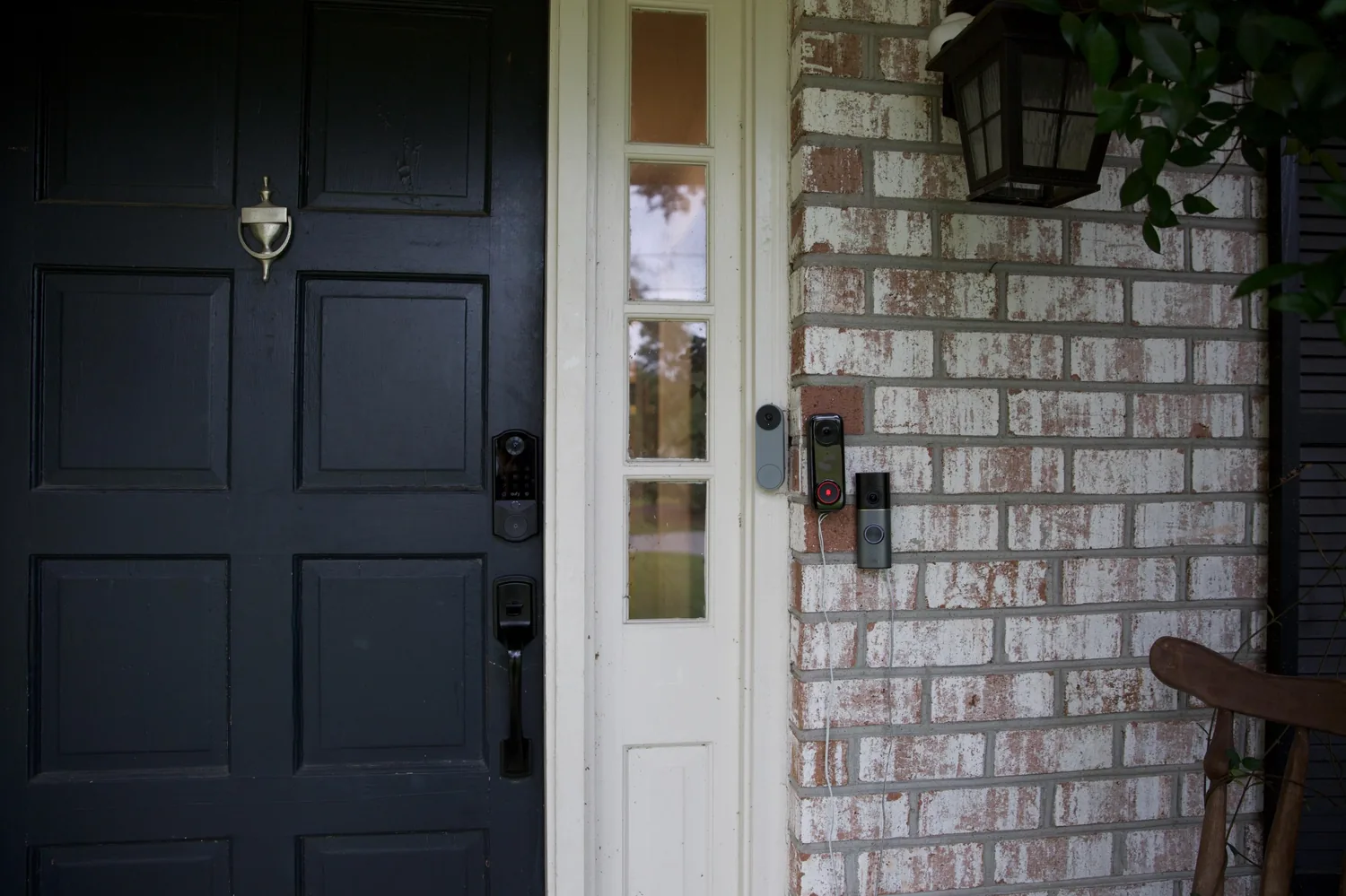
Testing focused on video doorbells: Aqara Doorbell Camera G400 ($99), Ring Wired Doorbell Pro ($249.99), and Google Nest Doorbell 2K ($199.99). Evaluation criteria included notification speed, description accuracy, and event capture reliability.
Apple’s descriptions tend to be brief and generic—frequently using “someone” instead of specifics. Google and Ring provide richer context, such as “FedEx delivery person walking on the lawn” or identification of the exact pet breed. In vehicle classification, Google explicitly labels “light-colored car” or “dark-colored SUV”, while Apple and Ring mostly output “a vehicle drove by”.
A surprising finding: Apple’s AI processing retains its privacy architecture—event metadata is processed on encrypted iCloud nodes rather than raw video uploads. By contrast, Google and Amazon rely on camera firmware for initial inference before sending structured data to their clouds. This architectural difference means Apple processes less raw video data overall, though with slightly lower descriptive granularity.
| Feature | Apple Intelligence for Home | Google Nest (Gemini) | Amazon Ring (AI) |
|---|---|---|---|
| Monthly price | iCloud+ 2TB: $9.99 (1 cam)6TB: $29.99 (2 cams)12TB: $59.99 (≤5 cams) | $20 (unlimited cameras) | $20 (unlimited cameras) |
| 24/7 recording | Wired models only, $3/camera extra | Included on wired models | $3/camera extra on wired models |
| Video retention | 10 days (HKSV baseline) | — (Google-managed) | — (Ring-managed) |
| Text event descriptions | Yes, concise style | Yes, detailed context | Yes, brand-aware |
| Natural language search | Yes | Yes | Yes |
| Daily summary | Summarize Videos (opt-in) | Daily Home Brief | Unusual Events alerts |
| Notification consolidation | Reduce Notifications | — | Reduces similar events |
| Max cameras | 5 per tier | Unlimited | Unlimited |
Accuracy and Cost Trade-offs

Sample scenario comparisons revealed three distinct patterns:
- Pet identification: Apple: “A cat sat on the porch”; Ring: “A cat is standing on the pathway outside the porch”; Google: “A black and white cat walks across the porch”
- Package delivery carriers: All three identified FedEx/UPS/USPS vehicles, but Apple’s USPS recognition was inconsistent
- Vehicle types: Google gave color and body classifications; Apple/Ring defaulted to generic vehicle/car/truck/van labels
The Reduce Notifications feature exists on both Apple and Ring, but Apple’s consolidated messages proved harder to parse quickly. When multiple people passed the same camera sequentially, Apple produced long concatenated sentences that slowed situational assessment.
Who Should Buy—and Who Should Wait
- Choose Apple if: You’re already embedded in the HomeKit ecosystem, own five or fewer HKSV-certified cameras, accept the premium pricing, and prioritize Apple’s encryption model over descriptive depth.
- Choose Google/Nest if: You value rich contextual alerts daily summaries, and camera scalability at a flat $20/month rate—ideal for multi-camera homes.
- Choose Ring if: You prefer Amazon’s combination of AI descriptions unusual event spotting, and integration with Alexa automations.
Hold off if: Your Home Hub is pre-HomePod devices running tvOS 16 or earlier, or your iPhone lacks an A12 Bionic chip or newer. Apple’s AI features require specific on-device神经 accelerators unavailable on older hardware.
Final Word
The realarma of AI in home security isn’t how precisely a camera describes what it sees—but whether it can distinguish mundane motion from genuine threats, and eventually act without human input. All three platforms remain in the “understand” phase; none has yet reached the “act” stage automatically.