
Apple Enters Foldable Era with iPhone Duo: Price, Specs, and Availability
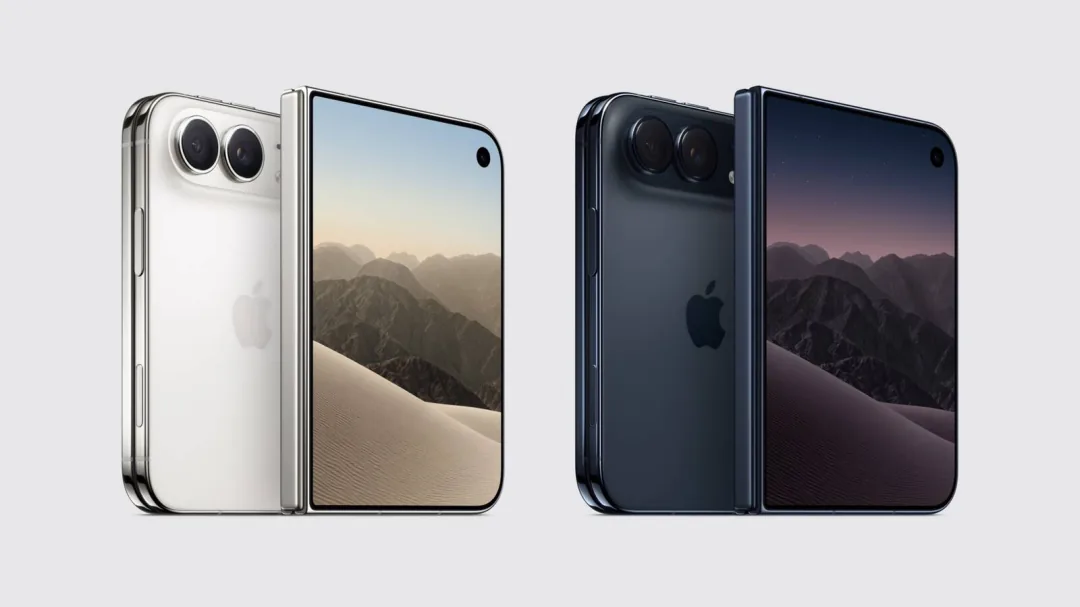
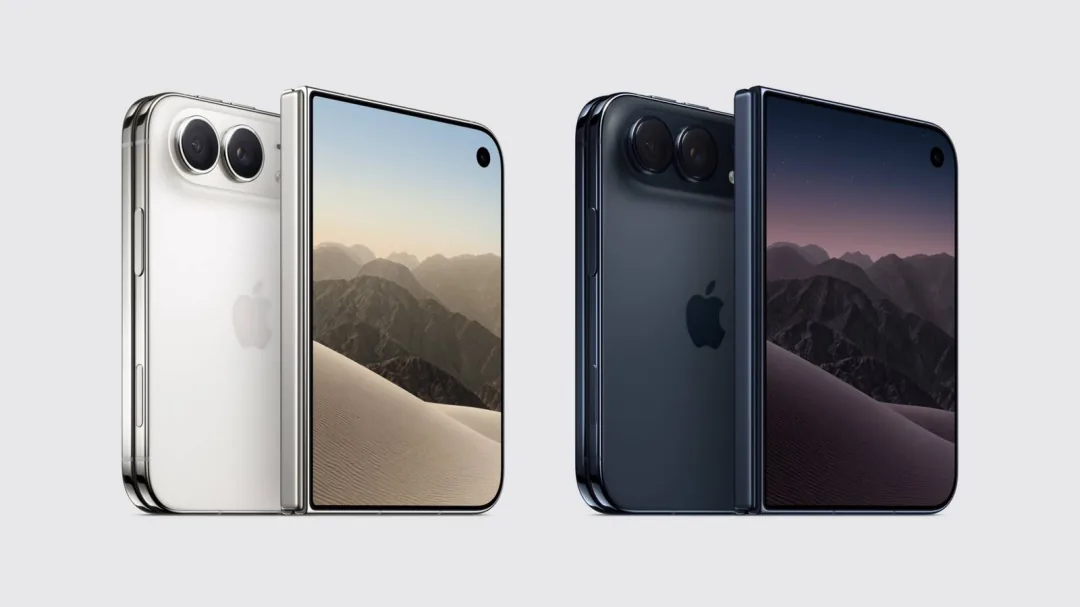
Apple launched its first foldable smartphone, the iPhone Duo, at midnight on September 10, 2024, marking the official entry into the “T Harness” era (foldable phase). Key facts:
- Launch date: September 10, 2024
- Chinese mainland starting price: ¥15,999
- Pre-order start: October 16
- General availability: October 23
- Synchronously released: iPhone 18 Pro series (from ¥9,999); standard iPhone 18 delayed to spring 2025
- OS: Runs iOS 27 with new split-screen feature
- China market note: Key AI features remain unavailable domestically
Notably, Apple only optimized foldable software compatibility without addressing industry-wide issues of weight and cost.
Design and Specifications: Strategic Compromises

The iPhone Duo adopts a book-style inside-fold design, with inner/outer screen dimensions comparable to the Xiaomi 18 Fold—but at a ¥5,000 price premium. Its 254-gram weight places it among the heavier foldables, despite IP68 water resistance. This highlights Apple’s trade-off: prioritizing build quality and ecosystem integration over weight reduction.
Hardware highlights include:
- Chip: A20 Pro processor
- Biometrics: Side-mounted Touch ID instead of Face ID
- Camera: No telephoto lens; dual setup with main and ultrawide sensors
- Stylus support: Apple Pencil compatibility planned for future update
iOS 27 introduces split-screen multitasking to smartphones. Other 2024 releases include the Apple Watch Series 12 (with conversation summaries) and AirPods 5 (base model gains active noise cancellation), though most new AI features are not available in China.
Competitive Landscape: Is the Premium Justified?
| Product | Fold Type | Starting Price | Weight | Key Features |
|---|---|---|---|---|
| iPhone Duo | Book-style inner fold | ¥15,999 | 254g | A20 Pro, IP68, iOS ecosystem |
| Xiaomi 18 Fold | Similar | ~¥10,999 | Not specified | Comparable screen sizes |
The contradiction: Despite tighter manufacturing and deeper software integration, Apple charges ~5000 yuan more than rivals while offering no weight or thickness advantage—underscoring the persistent challenge of making premium materials and mechanisms cost-competitive.
Who Should Buy Now?

Ideal for:
- Existing Apple ecosystem users willing to pay for chip performance and iOS stability
- Creative professionals needing Apple Pencil integration
- Those prioritizing long-term OS updates over camera versatility
Wait-and-see For:
- Budget-conscious buyers (prices likely drop in 2025)
- Photography enthusiasts relying on multi-zoom capabilities
- Users sensitive to weight above 200 grams
The Bottom Line
Apple’s entrance brings resources and attention to foldable development, yet its pricing strategy reveals an industry stuck at the intersection of ambition and engineering reality. The “iPhone moment” for foldables will require not just better screens, but lighter materials and economies of scale that reduce manufacturing complexity.
Note: Other major tech news—such as OpenAI’s revenue flip, JD.com’s robot procurement, and Google’s €13B Finland investment—reflect broader AI infrastructure and workforce shifts occurring alongside hardware innovation.