
Apple’s Store Architect Challenges AI Shopping Hype: Humans Remain Central
Core Stance: Physical Retail Remains Indispensable

As Silicon Valley pours billions into AI-driven agentic commerce, Ron Johnson—the architect of Apple’s retail empire—offers a clear counterpoint. In his TechCrunch interview, the 66-year-old veteran stated:
- AI improves online shopping but won’t alter fundamental shopping behavior
- Consumers won’t delegate $1,000–$2,000 laptop purchases entirely to AI agents
- Hands-on product experience (weight, display, sizing) is non-negotiable for high-value items
Johnson’s position directly challenges the prevailing narrative: he sees AI as an enabler, not a replacement—helping shoppers narrow options before they step into a store, not bypassing physical interaction altogether.
Foundation: Apple’s Human-Centric Retail Model
Hired by Apple in 2000 to build its retail business, Johnson helped design the Apple Store network now central to Apple’s customer ecosystem. He stresses that stores were conceived as multi-functional spaces—not just sales points:
- Product experiential zones letting users test devices before buying
- Genius Bar for real-time technical support and guidance
- Non-commissioned staff, breaking from traditional retail’s sales-pressure culture to focus on genuine customer needs
In his new book Shop Different, Johnson notes competitors adopted Apple’s glass facades, open layouts, and Genius Bar replicas—but consistently missed the core ingredient: “the secret sauce for Apple has always been its people.”
Avoided Pitfalls: The J.C. Penney Lesson
After leaving Apple, Johnson took over J.C. Penney in 2011 with an ambitious turnaround plan. The outcome? Tenure ended in under two years amid steep sales decline.
His reflection: “I applied a startup mentality to what needed a turnaround transformation.” Apple Stores evolved alongside the company as a natural growth initiative, whereas J.C. Penney required a softer, more inclusive approach to organizational change.
Cautiously Optimistic on AI
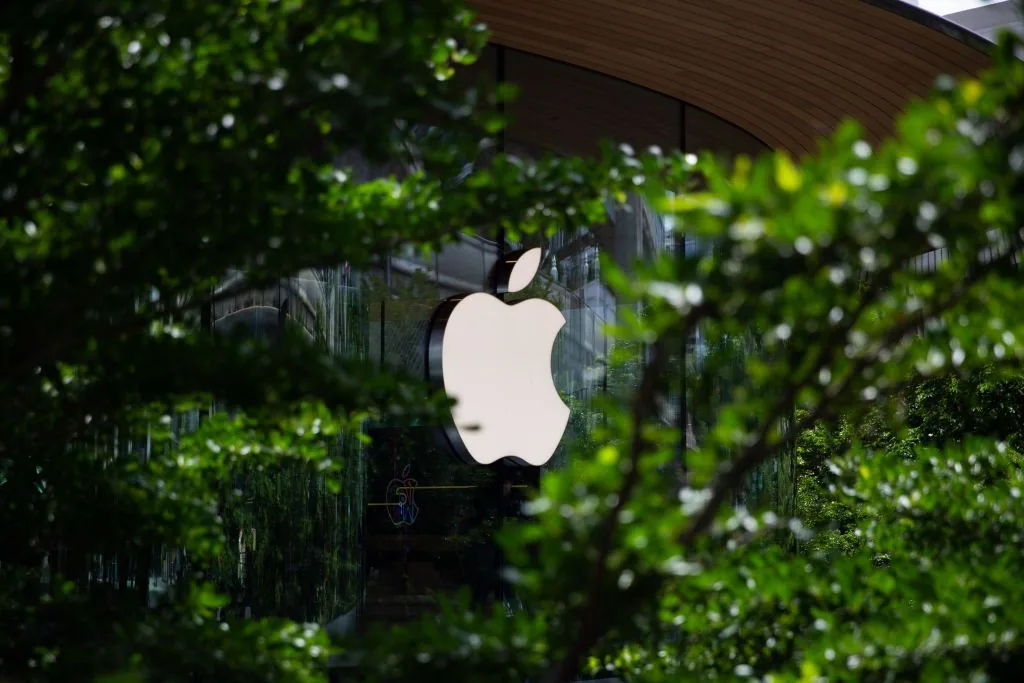
Despite his skepticism about AI replacing human shoppers, Johnson identifies as an AI optimist. He believes Steve Jobs would embrace the technology—so long as it serves, rather than substitutes, human judgment:
- AI serves as a filter: narrowing choices via data, not making final decisions
- Physical verification remains essential: especially for premium electronics
- Human intuition matters: smart debate among experts uncovers better answers
He envisions a future workflow where AI agents:
- Aggregate and compare technical specs
- Prepare customers with informed preferences
- Enable store staff to dive deeper into personalized fits
Reader Guidance
- Ideal for AI-assisted purchase: budget-conscious buyers, routine tech accessories, or low-consideration items
- Wait and experience first: high-value tech (laptops, premium phones)—especially first-time major upgrades where tactile feedback affects satisfaction
Final Thought
Tech giants betting on agentic commerce assume users will outsource decisions to algorithms. Yet retail at its core is about trust and embodied experience. When stakes rise, so does demand for human insight—and that dynamic may prove resistant to pure automation, regardless of AI’s advancing capabilities.