
Core Event: Apple Watch New Models Launch Timing & Key Details
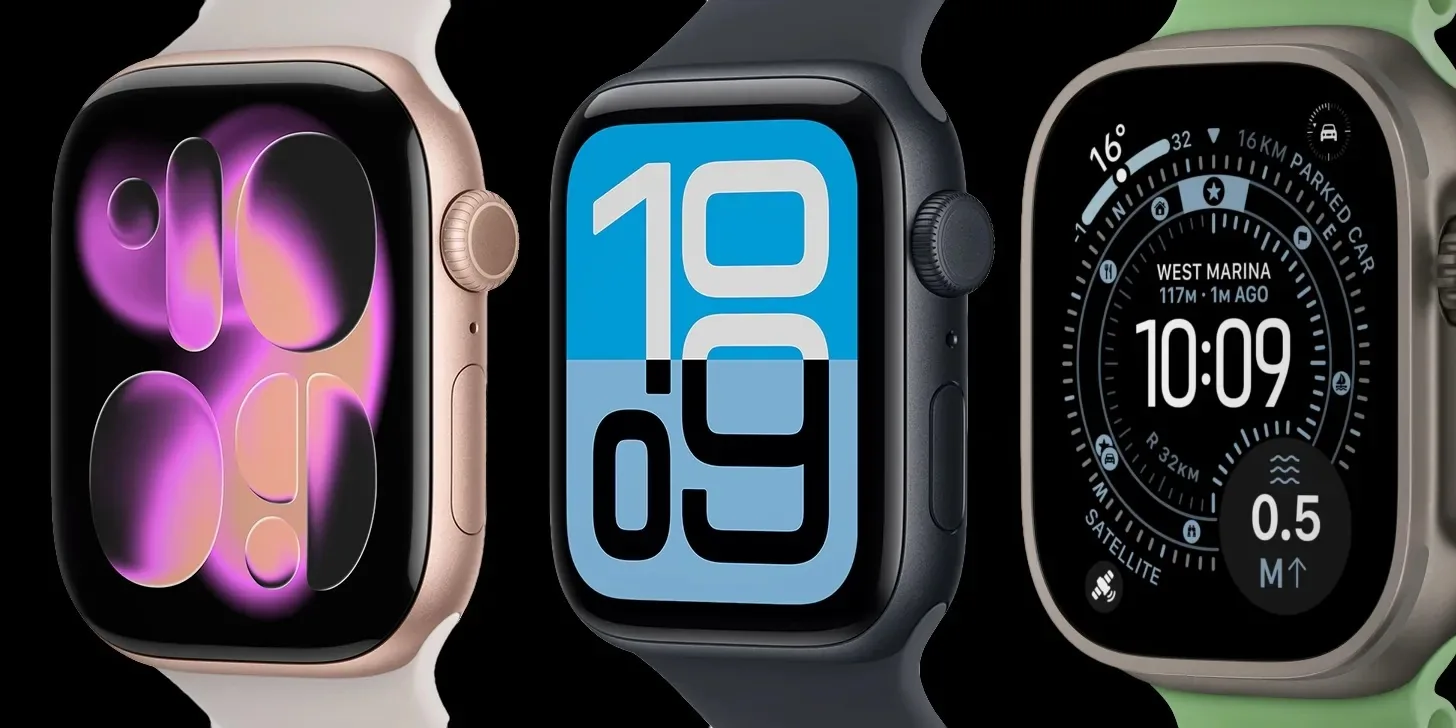
Apple will launch its new Apple Watch series on September 10, 2026, at midnight Beijing time. Bloomberg reporter Mark Gurman has preemptively revealed the core details.
Hard Facts
- Launch Date: September 10, 2026, at midnight Beijing time
- New Models: Apple Watch Series 12 and Apple Watch Ultra 4
- Core Feature: New AI-powered activity summary with conversation summaries
- Privacy Design: No audio recordings are saved; no full text transcripts are generated
- Operation Modes: Users can enable all-day operation or set geofenced locations only
- Storage Location: Activity summaries stored in the newly designed Siri app
- Hardware Requirement: Requires latest Watch models with dedicated chips for secure local audio sampling
Technical Implementation & Function Logic
Gurman notes the AI function continuously collects data from the microphone, GPS, and other sensors to generate daily activity summaries—including conversation highlights. The privacy-first approach is critical: Apple explicitly states no audio recordings are retained and no complete speech-to-text transcripts are produced. This creates a stark contrast with competitors who rely on audio backup.
The feature operates flexibly. Users may opt for全天候 activation to capture full day context or configure location-based activation at specific places like workplaces or gyms—balancing utility and privacy awareness. Generated summaries integrate into the dedicated Siri app, enabling later contextual Voice queries.
Implementation requires the upcoming Watch’s new silicon: Gurman underscores this chip securely processes audio samples locally, keeping sensitive data off external networks.
Comparison to Competitors & Industry Trajectory
Apple’s entry into AI wearables is evolutionary rather than revolutionary. Most major tech firms are embedding AI assistants into wearables as personal memory anchors, aiming to:
- Automate life logging without manual input
- Enable context recall via natural language追问
Key differences from competing approaches:
| Dimension | Apple’s Approach | Common Competitor Approaches |
|---|---|---|
| Audio Storage | Zero raw audio retained | Some brands сохраняют audio snippets |
| Text Output | No full transcripts generated | Most use speech-to-text |
| Processing | On-device chip only | Some rely on cloud processing |
The notable contrast: Even with continuous microphone sampling, Apple’s design preserves local processing assurance—aligning with its established device-side AI philosophy.
User Recommendations
- Early adopters should consider: Business professionals who speak their notes/meeting recaps; privacy-conscious users who still want passive logging capabilities.
- Wait-and-see advisable if: You own older Apple Watch (Series 11 or earlier); the battery impact and latency under real-world conditions should be evaluated post-launch.
Final Thoughts
By placing AI on the body’s most wearable interface, Apple signals a shift from reactive queries toward proactive memory assistance. If proved practical, it could push the industry toward reevaluating on-device privacy safeguards alongside functional utility.