
Core Event: Hardware-Level Image Authentication Arrives
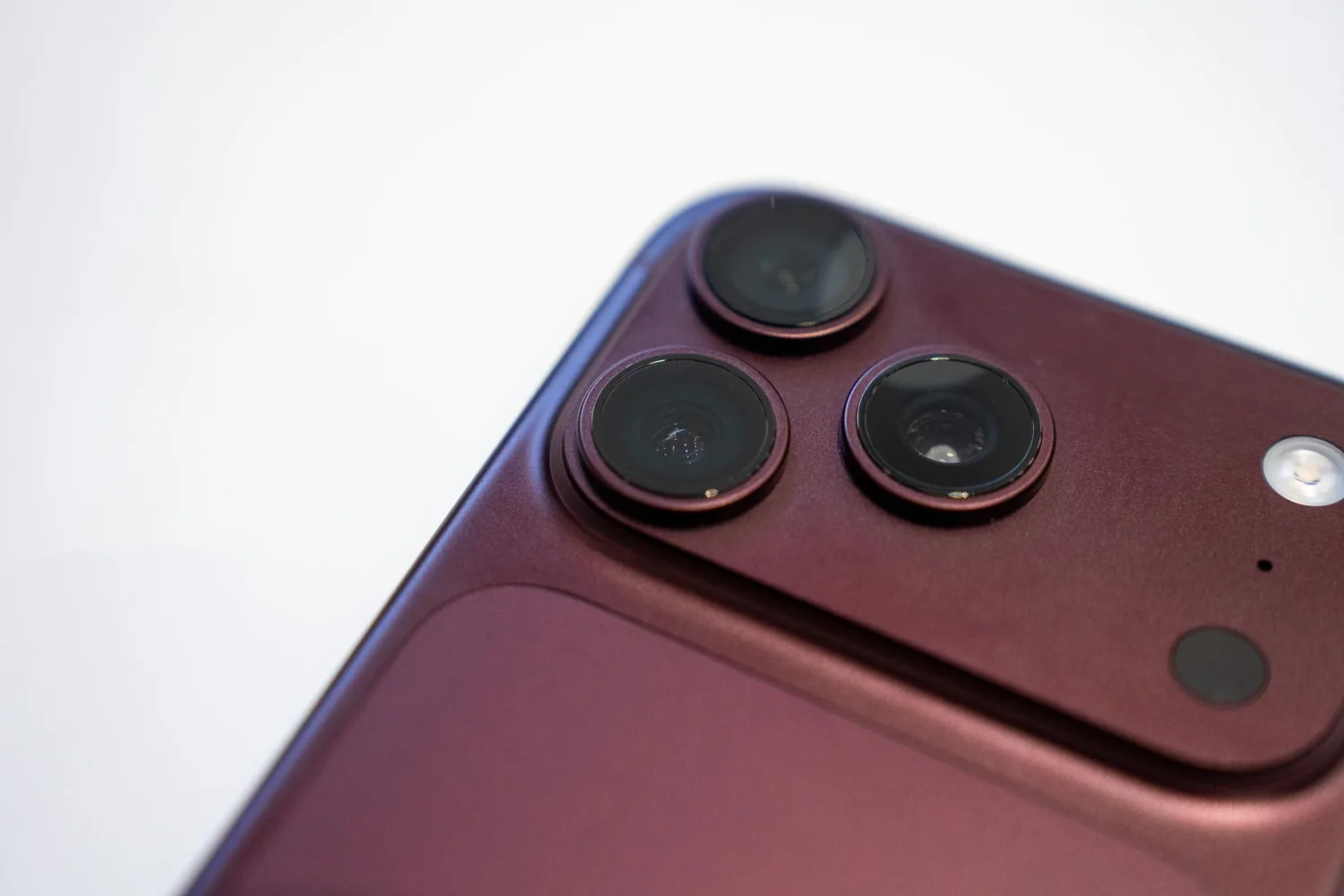
Apple is introducing the “Reference Image” feature on the iPhone 18 Pro and Pro Max later this month, offering users a way to verify that a photograph has not been manipulated by AI or other editing tools. The feature leverages hardware-level signing rather than software-only approaches, marking amaterials-grade distinction in image authenticity verification.
Key factual details:
- Launch timing: Late September 2026 (coinciding with iPhone 18 Pro series release)
- Supported devices: iPhone 18 Pro and iPhone 18 Pro Max only
- Activation: Photos must be taken in Reference mode to trigger authentication
- Processing: Signed sensor data is processed via Apple Private Cloud Compute into an immutable reference image
- Viewing: Users can compare reference image against other versions in the Photos app
- EU limitation: Feature not included at launch in the European Union; available for image development/viewing via iOS 27 updates
- Developer access: Reference Image API available across iOS, iPadOS, and macOS
Technical Implementation and Strategic Recoil
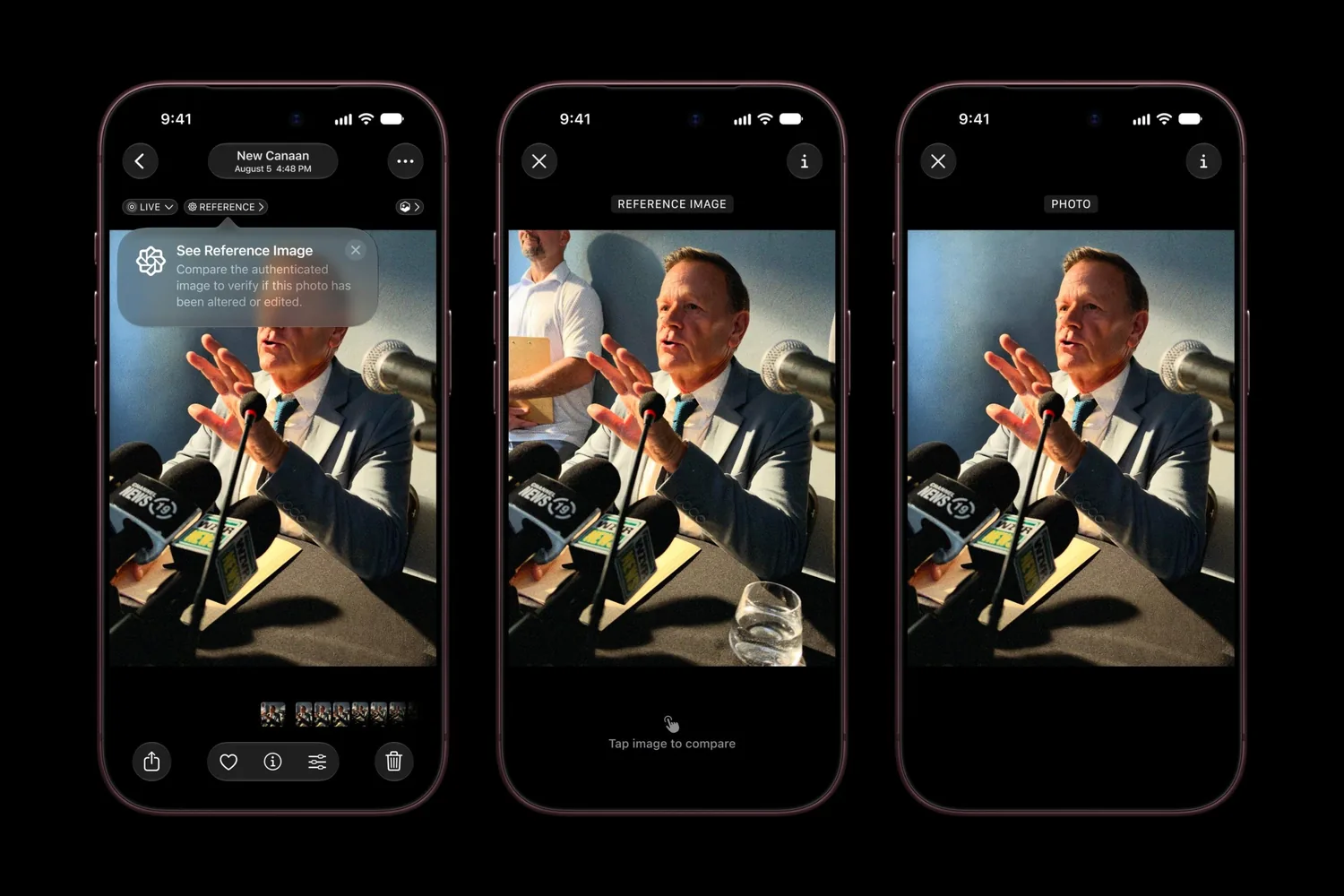
The Reference Image function requires the new camera sensor in the iPhone 18 Pro. During capture, the sensor “signs every pixel it sees”—creating signed raw sensor data at the hardware level. Apple’s Private Cloud Compute then transforms this signed raw data into an “unalterable reference image,” which serves as the authoritative, unedited version of the photograph.
Users can view this reference image in the Photos app and compare it with edited variants to detect modifications. The pivotal distinction lies in where the signature is applied: at the sensor output before image processing pipelines, not as metadata appended afterward. This timing makes manipulation of the reference image significantly more difficult than with software-only approaches.
This hardware-installed trust model contrasts sharply with existing industry efforts. SynthID (Google/Oxford), C2PA (Content Credentials), and Meta’s Content Seal rely on invisible watermarks, Exif/XMP metadata, or blockchain-anchored hashes—all of which reside above the hardware layer and can be stripped or rewritten. Apple’s approach embeds provenance at the source: authenticity is guaranteed before the pixel array even completes its first transformation.
Ecosystem Expansion and Developer Integration
Apple has opened the Reference Image API to third-party developers across iOS, iPadOS, and macOS. This enables future third-party apps—such as digital darkrooms, newsroom editing tools, or forensic software—to interpret and verify signed images outside Apple’s ecosystem. However, the API’s具体功能边界 (e.g., whether signed signatures are exportable or if cross-platform verification standards are defined) remains unspecified in the source material.
The EU’s delayed feature rollout signals Apple’s regulatory calculus. While the feature ships disabled by default in Europe, users will gain access via iOS 27. This pattern suggests compliance with emerging EU digital regulations (potentially DSA or AI Act requirements), though the company declined to specify the cause in the original report.
Practical User Recommendations
- Upgrade immediately if you are a journalist, legal professional, researcher, or creator who needs to prove photo provenance—especially in high-stakescontexts where manipulation allegations matter.
- Wait if you are a casual shooter: Reference Image only activates in its dedicated mode, meaning normal photography captures no authentication data; additional cloud processing亦 introduce latency and privacy variables not yet Quantified.
Final Thought
As images increasingly function as digital evidence in public discourse, reliable provenance infrastructure becomes critical. Apple opts for hardware-as-trust-anchor rather than software-watermarking, aligning with its vertical-control strategy. Whether this model prevails depends not on technical elegance alone, but on whether third-party services adopt its standard—making ecosystem adoption, not device capability, the true metric of success.