Core Announcement
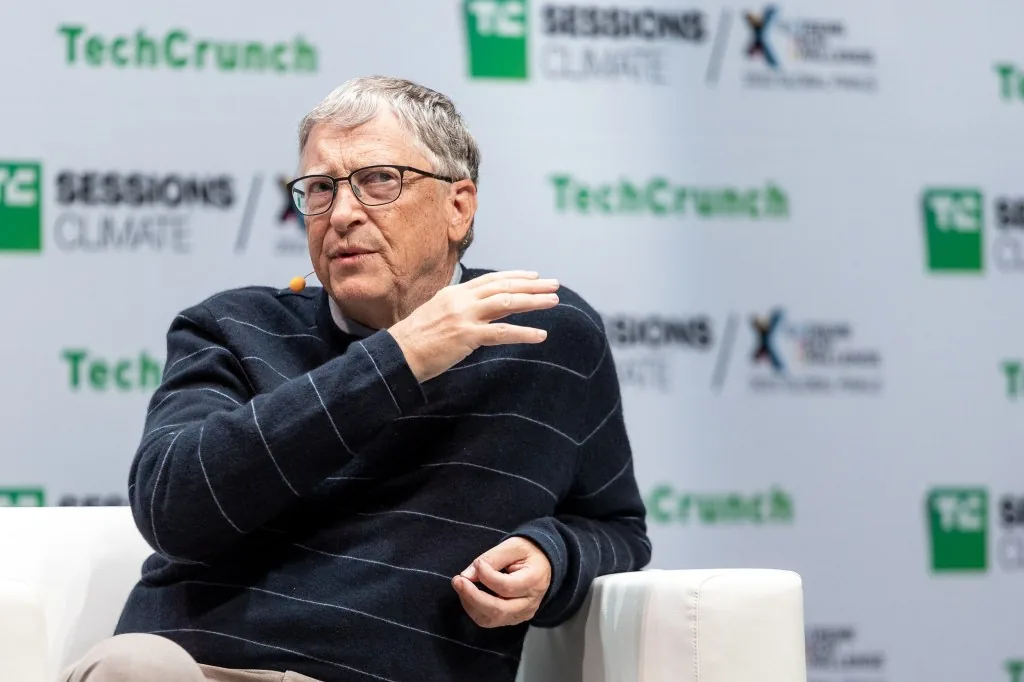
Microsoft co-founder Bill Gates published a comprehensive policy essay on his Gates Notes site on August 26, 2026, outlining deep considerations on AI’s societal impacts. No product launch timestamps, pricing, or version specs are involved—this is purely a policy提案 (proposal). Two concrete initiatives are advance: a ‘robot tax’ and ‘Human Reserved’ job designations.
Policy Design and Rationale
Gates argues that current tax codes systematically incentivize automation over human labor. Employers pay payroll taxes on human wages but can typically write off robot purchases as immediate business expenses. This structural bias, he contends, nudges companies toward replacing people with machines. A robot tax would slow this rush and generate revenue for workforce retraining and expanded social safety nets.
The ‘Human Reserved’ proposal entails legally preserving certain roles or tasks exclusively for humans. Economic necessity drives this: forcibly retraining a 55-year-old construction worker to elder care, for instance, is neither realistic nor dignified. Non-economic values also matter—a robot delivering terminal diagnosis news, while technically feasible, violates fundamental expectations of human compassion.
Gates stresses this framework must evolve granularly: some jobs should be reserved immediately, while AI integration elsewhere proceeds over years or decades with explicit commitments to sustain human roles. This phased approach acknowledges transition costs materialscience cannot solve alone.
Unexpected Tension and Implementation Hurdles
Though Gates aligns with the ‘Responsible AI’ camp (supporting the Pacing the Frontier open letter favoring deliberate deployment pace), his proposals directly threaten major labs’ profit models. The article notes this may explain why such measures rarely surface in policy dialogues—they represent a material redisclosure of corporate value.
Critical open questions remain: Which authority defines reserved domains? How precisely are eligible human-only tasks scoped? What compliance mechanisms apply? The essay explicitly acknowledges these gaps rather than offering solutions.
Practical Recommendations for Readers
- Policymakers and think tanks should treat this as a serious legislative sketch; tax instruments + job preservation offer tangible alternatives to pure regulation.
- AI product managers and startup founders should audit whether their solutions could be flagged for ‘Human Reserved’ cross-analysis; compliance risk may rise faster than anticipated in sensitive sectors.
- Workers in routine-cognitive roles need not panic immediately, but should leverage corporate retraining funds (once tax revenue materializes) as bridge assets.
Final Thought
Gates shifts AI governance discourse from model transparency debates to macroeconomic adjustment mechanisms. If automation’s productivity gains cannot be softened by equitable taxdesign, societal backlash may turn programmatic rather than principled; the success of his proposals hinges not on technical elegance but on political willingness to prioritize human continuity over pure efficiency.