Core Event Summary
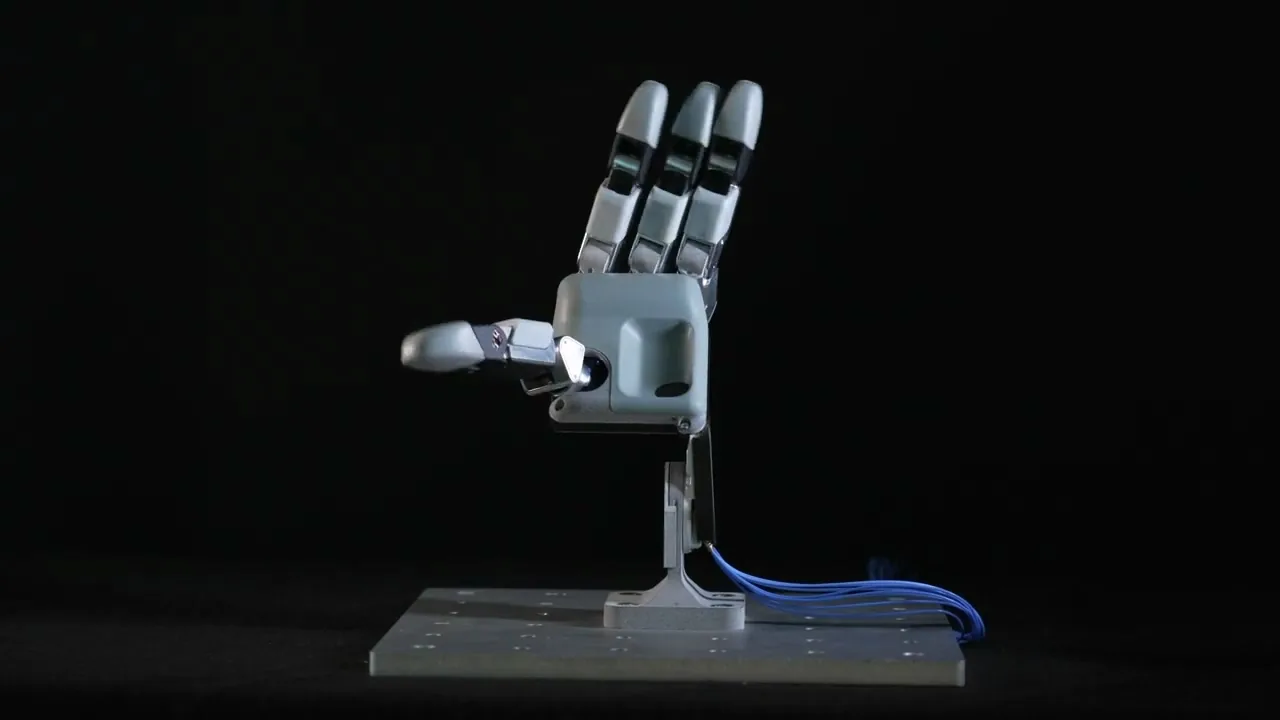
Boston Dynamics and Hyundai Motor Group jointly announced major progress on October 1, 2026: the Atlas humanoid robot upgrades its hand to 13 degrees of freedom (DoF) and has entered real-world factory training at Hyundai’s U.S. plant.
- Announcement date: October 1, 2026 (official press release)
- New version: Atlas hand with 13 DoF (up from 7DoF)
- Production site: Metaplant America campus near Savannah, Georgia
- Current phase: Training via teleoperation; not yet in mass production
- Deployment plan: Hyundai plans 25,000 Atlas units + 30,000-unit/year factory capacity
- Data reliability: Official press release; authoritative source
Technical Upgrade and Training Status
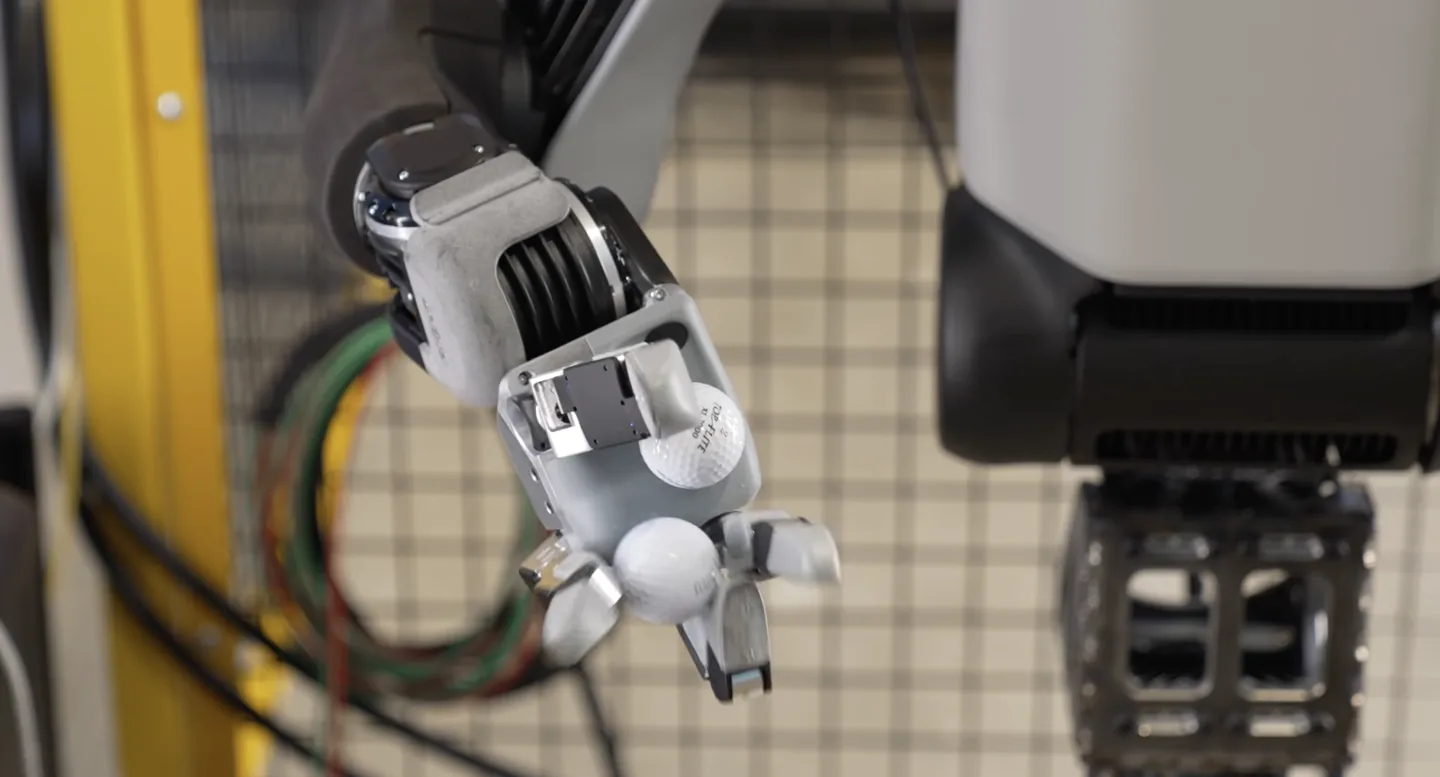
The upgrade centers on the end effector—the Atlas hand. Degrees of Freedom (DoF) measure robotic dexterity, defined as the number of independent joints or axes of motion. The new hand uses 1 thumb plus 3 additional fingers to reach 13 DoF, adding 6 more independent motion channels.
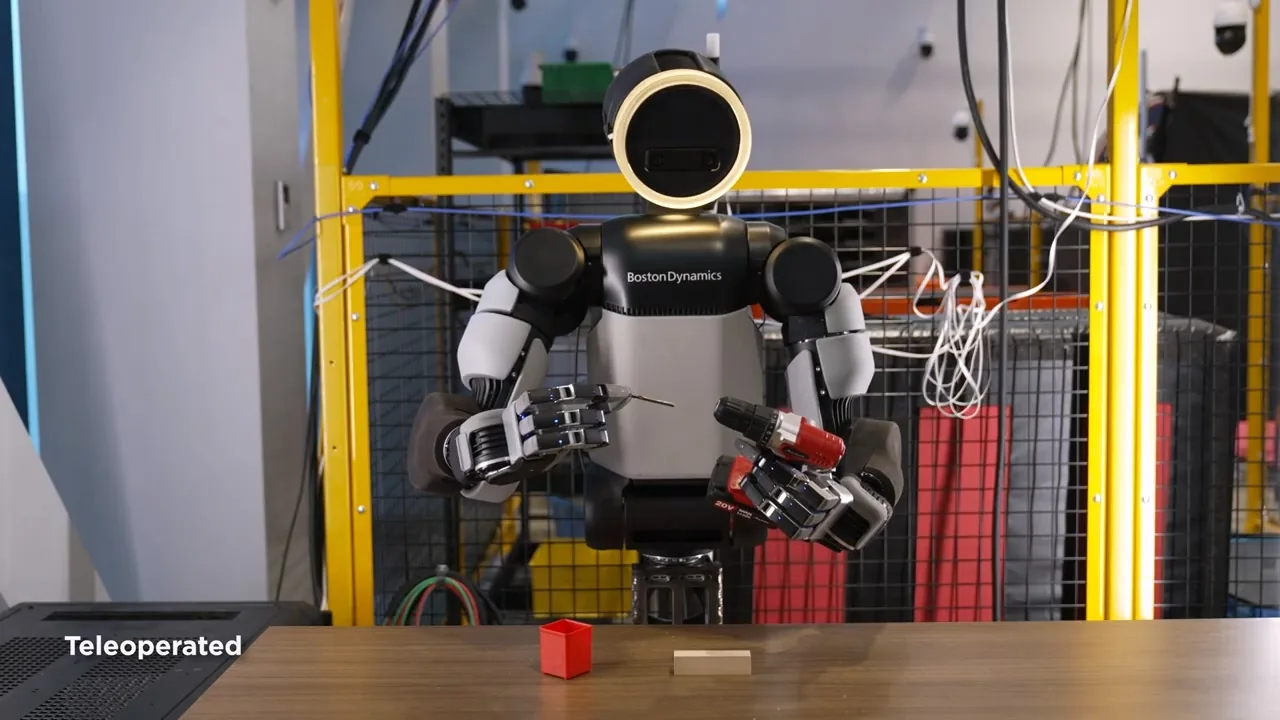
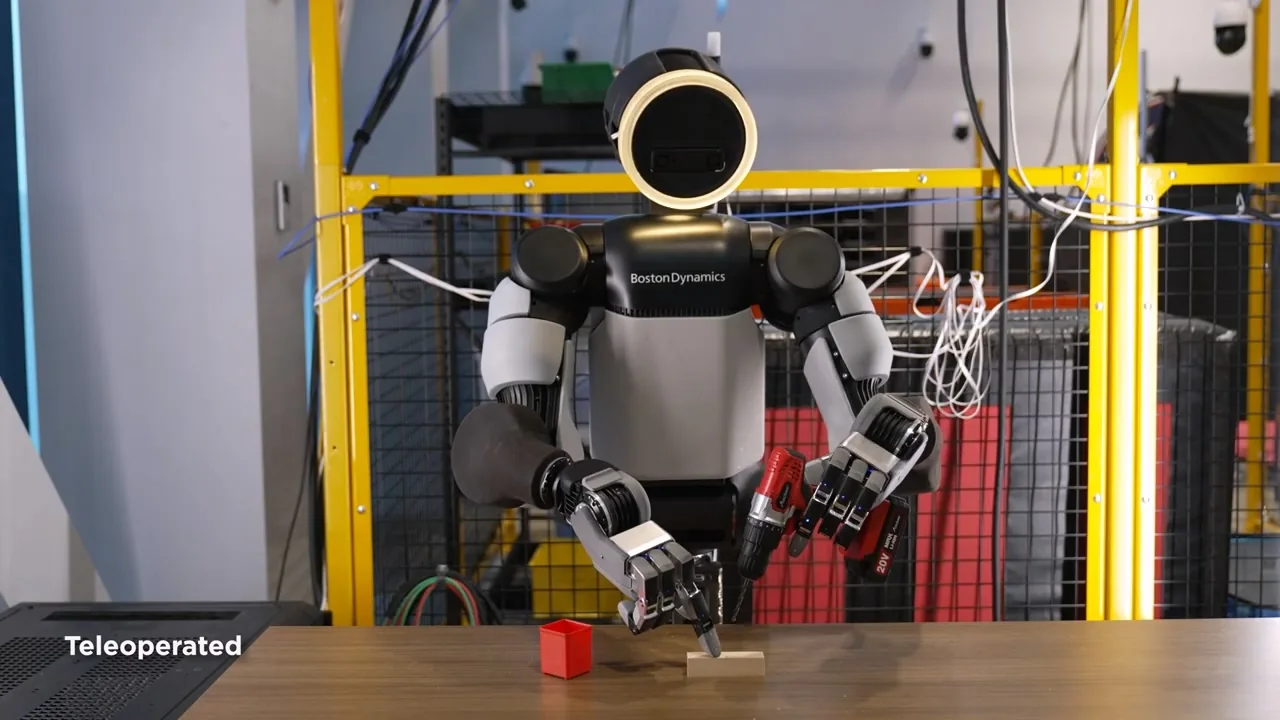
Boston Dynamics indicated the added DoF enables the hand to perform more simultaneous independent joint actions, expanding its capacity to manipulate complex tools. In official demos, the upgraded hand executed three tasks: drill control, lifting two golf balls in one hand, and screw tightening. Notably, the team rejected adding a fifth finger—though it would improve dexterity—because it would complicate the structural design and increase power consumption, highlighting pragmatic engineering trade-offs.
Concurrently, training at RMAC provides early validation for the 25,000-unit plan: the Robot Metaplant Applications Center (RMAC) serves as the test-and-train facility, with human operators teleoperating Atlas for real-world tasks. Modern and Boston Dynamics frame this as the beginning of “enterprise-scale physical AI,” aiming to integrate Atlas directly into automotive assembly workflows.
Key Data Comparison: Hand DoF Evolution
| Version | Degrees of Freedom (DoF) | Finger Configuration | Demonstrated Capabilities |
|---|---|---|---|
| Previous | 7 | Not specified (inferred 4 fingers) | Basic grasping and transport |
| Upgraded | 13 | 1 thumb + 3 fingers | Drill operation, dual-ball lift, screw driving |
|^ Table strictly based on released parameters; no unconfirmed capabilities added |
Practical Guidance: Who Should Act, Who Should Wait
Immediate attention recommended for: Automotive OEMs, heavy-industrial integrators, logistics automation providers—Atlas is already in real production-site teleoperation, and its engineering roadmap clearly targets factory floor workflows; Hyundai’s 25,000-unit scale commits the industry signal.
Cautious观望 advised for: Small-to-mid-sized manufacturers, academic labs—current deployment is in “training + capacity ramp-up,” the 30,000-unit/year factory has not yet been built, and stable commercial supply remains unavailable; complex tool handling demos still rely on teleoperation, with no public data on autonomous decision-making progress.
In Closing
Boston Dynamics’ decision to debut Atlas at scale within automotive manufacturing signifies the industry’s shift from lab demos to solving tangible workstation challenges; the 13-DoF hand’s design pragmatism marks a new era where engineering viability and cost control jointly drive humanoid robotics forward.