A Longtime Operator Exits OpenAI
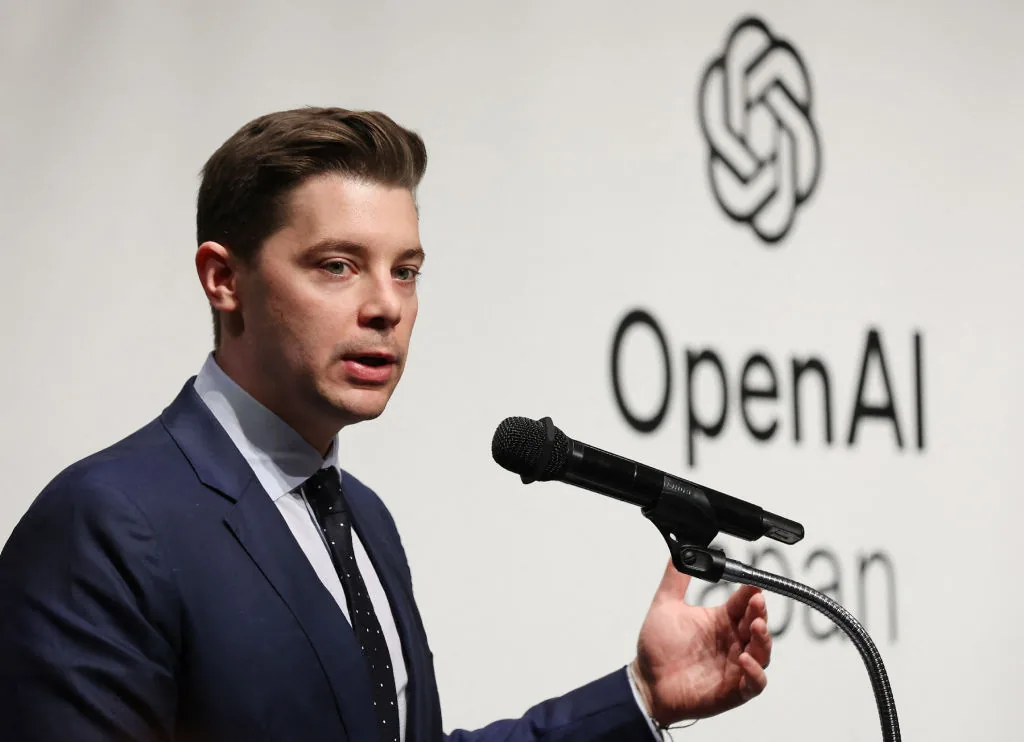
Brad Lightcap, one of OpenAI’s longest-serving executives, is leaving the company to “start something new.” His departure is notable because Lightcap helped build much of the business and operational infrastructure that supported OpenAI’s transition from a research-focused lab into one of the most influential companies in artificial intelligence.
According to TechCrunch, Lightcap shared an internal note with OpenAI employees on Tuesday and later posted it publicly. In the message, he described the decision as “bittersweet” and said he would be moving on from OpenAI. He did not disclose what the new effort will be, only indicating that he had been thinking about the “next horizon” and the things that could stand in the way of mission success.
The move comes as OpenAI is undergoing a broader reshuffling of senior leadership while preparing for an IPO of industrywide significance.
From Finance Chief to Operating Chief
Lightcap joined OpenAI in 2018. Before that, he worked with CEO Sam Altman at Y Combinator. At OpenAI, he first spent four years as chief financial officer, then became chief operating officer in 2022. Earlier this year, during a restructuring of executive responsibilities, he moved from the COO role to lead special projects.
In his note, Lightcap said he had the privilege of building early versions of many of OpenAI’s operations and business teams, including finance, legal, people, corporate security, go-to-market and government-related functions, and partnerships.
Those teams are less visible than model research, but they are essential to scaling an AI company. Finance and legal functions support fundraising, commercial deals, and compliance. Government and partnership teams help a company navigate public-sector relationships and broader market adoption.
A COO, or chief operating officer, is typically responsible for turning strategy into execution across the organization. In a company like OpenAI, that role can involve balancing product growth, compute needs, commercial partnerships, internal coordination, and external scrutiny.
A Supportive Exit, but Few Details
Lightcap’s wording suggests that the departure is not being framed as a break with OpenAI’s direction. He said he believes in OpenAI “more than ever” and is excited to help advance its mission from a different vantage point.
Still, his reference to important new things the world will need to get right as the industry enters its next phase leaves room for interpretation. The source material does not specify whether his next move will involve a startup, investing, AI governance, infrastructure, applications, or another area. The only concrete description is his stated plan to “start something new.”
Lightcap is not the only senior figure to leave OpenAI recently. TechCrunch reported that Fidji Simo, described as the company’s No. 2 executive and the leader of AGI development, announced in July that she would step down. AGI, or artificial general intelligence, refers to AI systems intended to handle a wide range of tasks rather than a narrow set of specialized functions. Other recent departures include Bill Peebles, who formerly led the now-dead Sora video generator, and Kevin Weil, vice president of the company’s Science vertical.
Leadership Changes Before a Major IPO
OpenAI is at a difficult stage of corporate evolution. It remains closely associated with frontier AI research and high-profile consumer products, but it is also becoming a large commercial organization. TechCrunch reports that the company is preparing for an IPO with industrywide significance. An IPO, or initial public offering, is the process through which a company first sells shares to public-market investors, bringing new disclosure, governance, and financial expectations.
Leadership changes before such a transition are common in fast-growing technology companies. Organizations often adjust roles, add public-company expertise, and restructure responsibilities as they mature. OpenAI’s case is especially sensitive because the company operates at the center of debates over AI safety, regulation, intellectual property, compute infrastructure, and global competition.
Lightcap’s role matters because he helped institutionalize OpenAI’s business foundation. When he joined in 2018, OpenAI was far from its current scale and public influence. By the time of his departure, it had become a central player in the AI ecosystem. Losing an operations veteran may not immediately alter the company’s product roadmap, but it can affect organizational memory, coordination, and external relationships.
What It Means for the AI Industry
Lightcap’s exit does not by itself signal a crisis at OpenAI. But it highlights a broader shift in the AI sector: the competition is no longer only about better models or faster product launches. The next phase will also test whether leading AI companies can manage governance, regulation, capital markets, partnerships, and talent at global scale.
For OpenAI, the challenge is to show not only technical leadership but also durable operating discipline as it moves toward a public-market future. For the wider industry, senior talent leaving major AI labs to pursue new projects could create fresh companies and new areas of competition. Lightcap’s “next horizon” is not yet clear, but the issues around AI infrastructure, governance, commercialization, and organizational design are likely to become more important from here.