
California Enacts New Regulations Targeting AI Data Center Resource Use
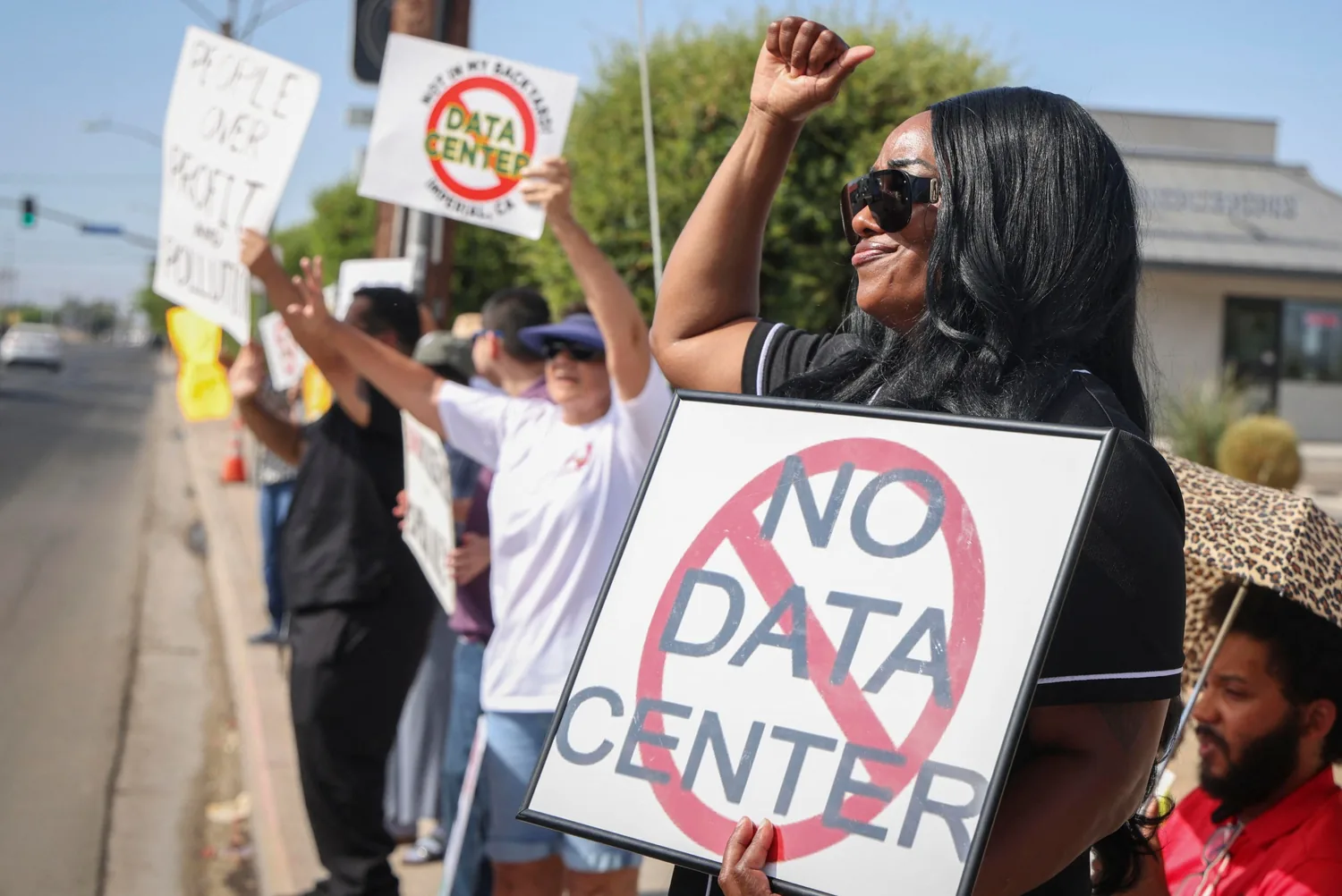
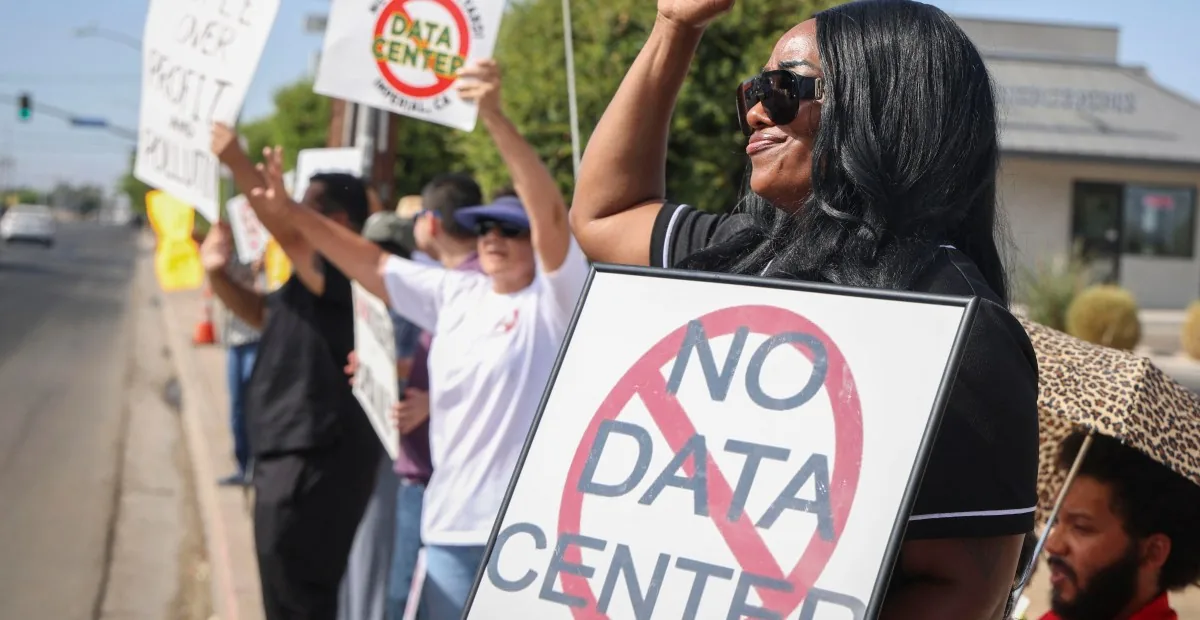
In September 2026, California Governor Gavin Newsom signed seven comprehensive bills establishing stricter oversight of AI data centers’ energy and water consumption. The package placing the implementation responsibility on the California Public Utilities Commission (CPUC), mandates that data centers covergrid and water infrastructure upgrade costs while requiring detailed disclosures on resource usage and efficiency metrics.
Key implementation details:
- Announcement timeframe: September 2026 (specific signing date not disclosed in source material)
- Regulatory authority: California Public Utilities Commission (CPUC)
- Affected entities: Proposed and new AI data center projects
- Approval impact: Projects failing to meet standards lose eligibility for expedited permitting
Operators Must Bear Infrastructure Upgrade Costs
The core mechanism of the legislative package is restructuring cost allocation. Previously, some operators passed grid expansion and upgrades onto ratepaying residents through utility billing structures; the new laws mandate that data center operators bear full responsibility for local power and water system upgrades. The CPUC is empowered to establish a dedicated rate classification for data centers that accurately reflects their infrastructure impact.
Under the legislation, proposed facilities must submit comprehensive applications to local governments including:
- Estimated annual water consumption (in million gallons or equivalent units)
- Energy efficiency metrics (such as PUE, Power Usage Effectiveness) and emissions reduction plans
- Drought response contingency measures and alternative water source utilization
- Anticipated fossil fuel consumption (where applicable)
Operational Thresholds Under the New Regime
| Requirement | Pre-regulation | Post-regulation |
|---|---|---|
| Grid upgrade cost sharing | Potentially borne by all ratepayers | Operators must fully cover costs |
| Water consumption disclosure | Not mandatory or inconsistent standards | Operators must disclose estimated usage to local governments |
| Permitting eligibility | Direct access to expedited approval | Must meet efficiency standards to qualify for fast-track review |
| Electricity rate classification | Classified under standard commercial rates | Dedicated data center rate category established |
Practical Guidance: Operators Should Prepare Early
For data center developers planning projects in California or the Western U.S.: conduct immediate energy efficiency audits and alternative water source assessments, particularly in drought-prone regions where restrictions tightened; simultaneously model infrastructure connection costs to avoid project delays from unplanned utility upgrade budgets.
For local government approval authorities: revise local review protocols and data verification standards by end-2026 to align with the CPUC’s new rate classification framework.
Consumer impact could include reduced electricity cost pressures where data center growth previously strained local grids, though specific effects await CPUC implementation details.
In Conclusion
California’s legislative response demonstrates a broader policy shift: as AI infrastructure enters a phase of large-scale deployment, regulators are pivoting from growth incentives to demanding accountability aligned with resource realities. When electricity and water become constraints rather than infinite inputs, transparent allocation of expansion costs will determine whether AI growth remains sustainable.