
Overall Trend: Chinese Robotics Brands Massively Enter IFA 2026
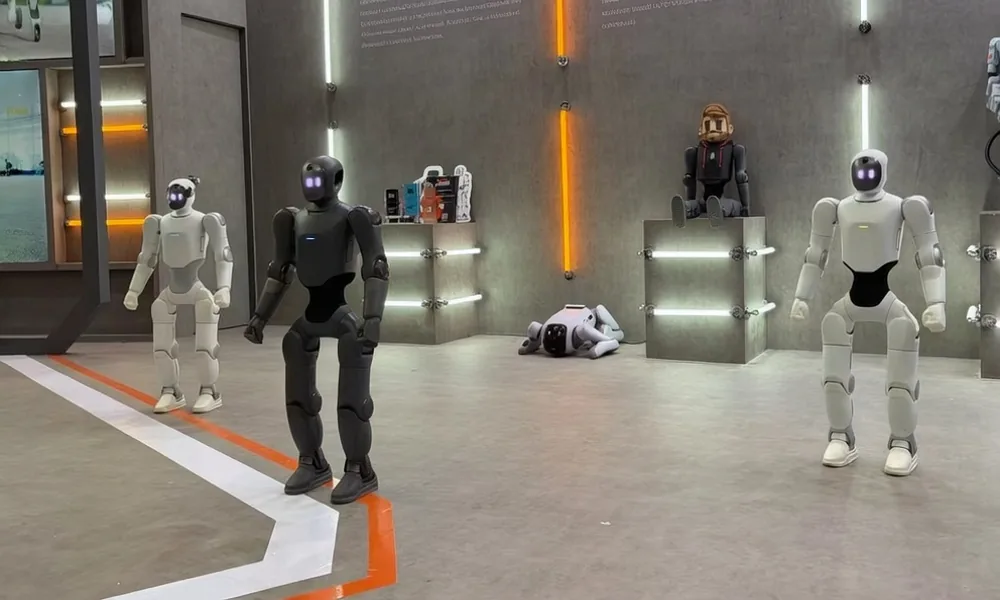
IFA 2026 in Berlin concluded on September 8. The event attracted over 1,900 exhibitors from 49 countries and regions, with an estimated 220,000 visitors. Chinese robotics companies saw explosive growth in participation: from just 3 last year (Zhiyuan, Unitree, and Magic Atom) to dozens this year. The Next innovation zone (Hall H25) grew from around 260 to approximately 300 exhibitors this year, with Chinese brands dominating the majority.
Key facts:
- Chinese exhibitors: Zhiyuan, Unitree, Magic Atom, Xuanji Dynamics, Qiyuan, and others
- Xiaomi made its IFA debut with a 3,000+ sqm booth featuring the “Human x Car x Home” ecosystem
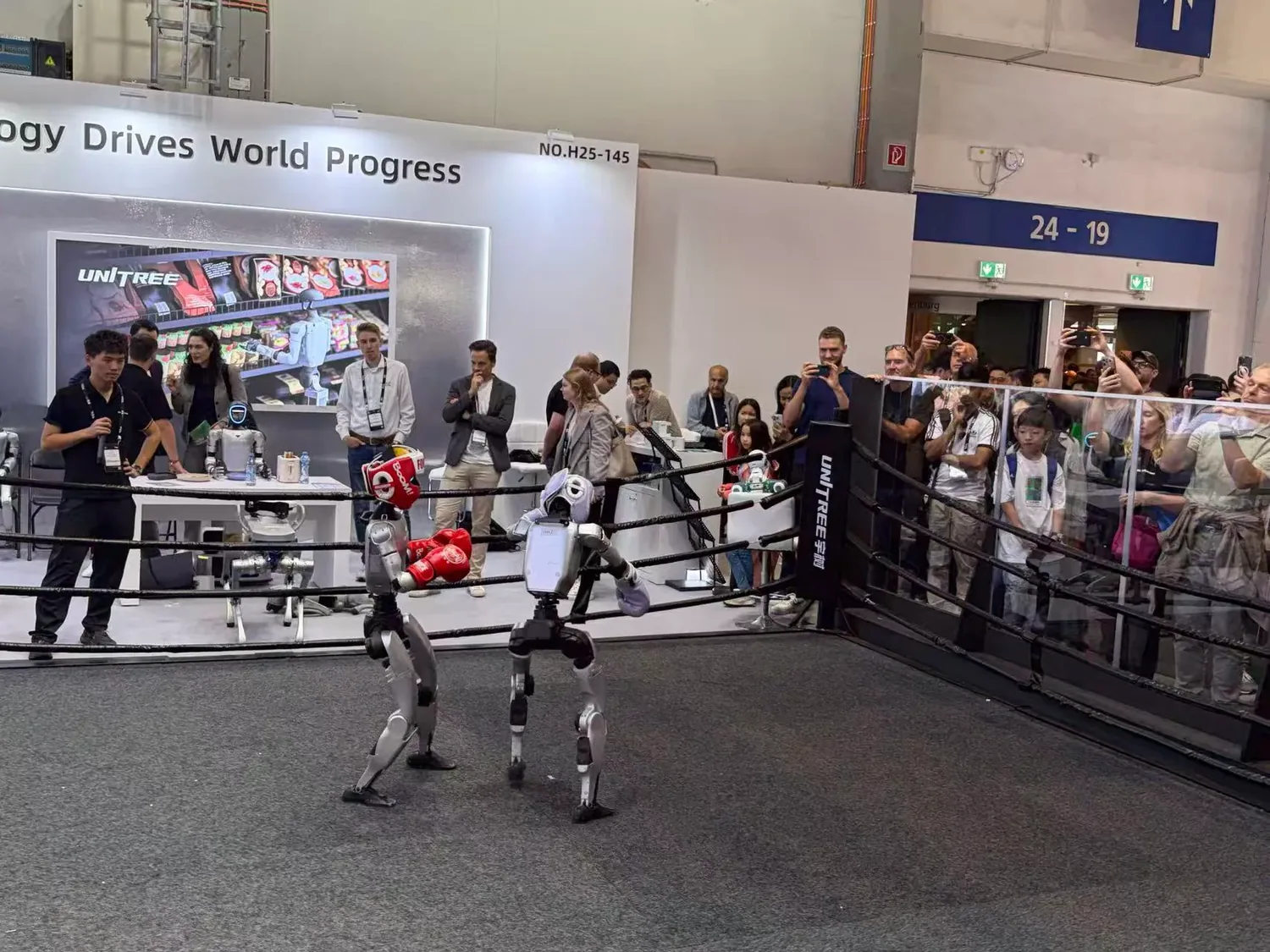
- Notable events: robotics boxing matches, “Robots on the Runway” catwalk show, and home-scenario exhibits
- Driving factors: European labor shortages creating demand for factory/logistics/eldercare robots; IFA’s home-oriented profile aligned with domestic robot adoption paths; Europe’s relative market resilience vs. U.S. trade uncertainties
Grounding Technology in Real Applications

Robots at IFA have shifted from flashy demos to real-scenario deployments. In Hall H25, quadruped and humanoid robots circulated freely while boxing performances drew continuous crowds. Yet an insider noted a critical gap: most demonstrations still rely on remote operation, far from true autonomous Agent capability—where an Agent enables robots to perceive, decide, and act independently without external input.
Automakers are introducing breakthrough platforms. XPeng displayed the IRON humanoid robot, equipped with high anthropomorphism, powerful computation, stable bipedal locomotion, and environmental interaction—currently deployed as in-store sales assistants, tour guides, and inspection agents across XPeng’s offline network. Mass production is scheduled for year-end, with potential domestic rollout for emotional companionship.
Qiyuan introduced home-focused innovations, including a photography robot co-developed with Insta360. Its dual arms precisely grip Insta360 handheld cameras to execute human-impossible lens moves like Hitchcock dolly-zoom, supporting selfie sticks and panoramic gear. Unlike phone-mounted devices, it operates independently with free-moving “God’s-eye view” perspectives.
Strategic Shifts: From Boxing to “First Personal Robot”
Qiyuan explicitly targets household adoption with its “your first personal robot” positioning, recognizing the untapped potential in domestic robotics. The photography robot exemplifies solving specific pain points, while weight-forward force control enables users to guide movement via physical traction—eliminating laggy remote control and enhancing household usability.
Unitree and Zhiyuan continue emphasizing motion capabilities (boxing, running) to capture attention, while Qiyuan and Magic Atom pioneer scenario-specific tools for daily life.
Critical Comparison: Scale and Capability Maturity
| Metric | IFA 2025 | IFA 2026 | Trend |
|---|---|---|---|
| Chinese robotics exhibitors | 3 | Dozens | >10x growth |
| Hall H25 exhibitors | ~260 | ~300 | +15% |
| Chinese brand dominance in H25 | Minority | Majority | Growing |
| Demonstration focus | Sports/boxing only | Sports + home scenarios | Scenario intensification |
| Autonomy level | Mostly remote | Few approaching autonomy | Incremental |
Who Should Buy/Wait?
- Early adopters: Tech-savvy users with photography/filmmaking needs; the Qiyuan-Insta360 combo offers creative expansion for non-professionals;
- Wait-and-see: Households expecting full autonomous chores (dishwashing, clothes folding); current products remain prototypes;
- Enterprise users: Retail chains and innovation labs can pilot IRON for customer engagement;
- Risk-averse players: Companies wary of U.S.-China trade dynamics should benchmark Europe’s policy stability.
Final Note
IFA’s transformation from an家电 show into a humanoid robotics launchpad reveals the industry’s shift from technical demo to real-world validation. China’s collective choice of Germany as its European gateway signals both confidence in European purchasing power and regulatory maturity—and a serious bet on domestic robotics commercialization.