
Chrome Update Cadence Accelerates Substantially
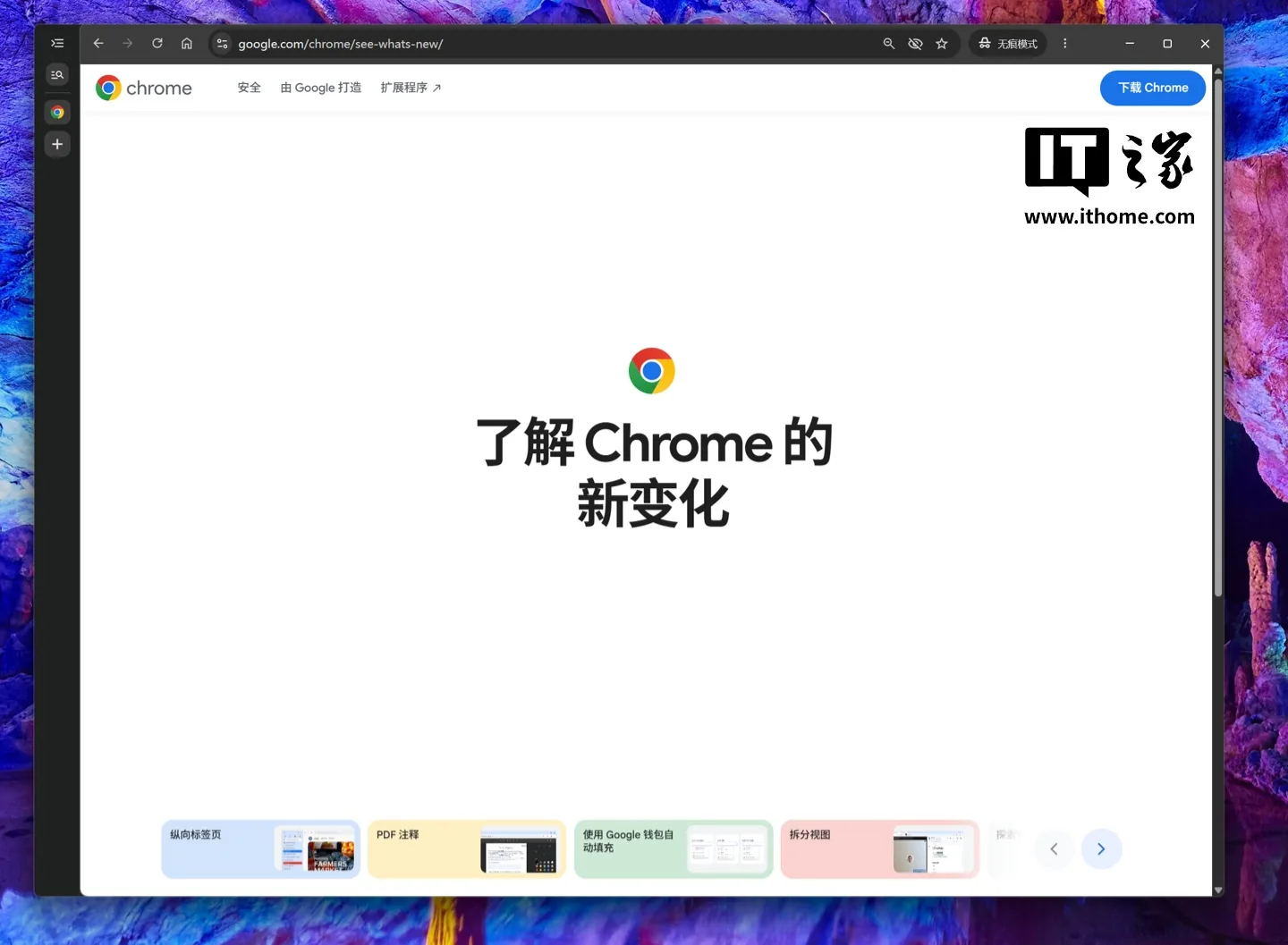
Googleannounced on September 8, 2026, that Chrome browser will implement a biweekly release cycle for mainstream user versions, effective immediately as of September 9, 2026. The adjustment affects Stable channels on desktop (Windows/macOS/Linux), Android, and iOS—shifting their update frequency from monthly to biweekly. Key implementation facts:
- Effective date: September 9, 2026 (immediate implementation)
- Affected platforms: Desktop / Android / iOS Stable releases
- Update frequency: New version every two weeks
- Unchanged channels: Dev and Canary channels retain existing release cadences
- Enterprise exception: Extended Stable continues with a two-month cycle, allowing administrators adequate time for testing and deployment
Rationale Behind the Cadence Shift and Technical Details
Google stated the change is aimed at adapting to the evolving internet environment, ensuring developers and end users receive performance improvements, security patches, and feature enhancements more promptly. Notably, Google clarified that this adjustment is not related to artificial intelligence—despite industry-wide efforts to integrate AI capabilities into browsers, the timing change falls strictly within base release pipeline optimization.
A key counterintuitive point: Chrome has maintained a monthly rhythm for several years, so sudden acceleration to biweekly频率 means users receive roughly 26 Stable releases per year instead of 12. This represents a near-fold increase in feature turnover. For comparison:
- Edge has adopted an 8-week release cadence (bi-monthly)
- Firefox maintains roughly 4-week cycles (monthly)
Chrome’s timing choice signals an attempt to stay ahead of competitors’ aggressive update strategies. As browser vendors battle for developer mindshare and end-user loyalty, faster release cycles缩短 feedback loops and enhance security response capabilities—a race likely to continue accelerating.
Multi-Channel Strategy Remains Clearly Segmented
Chrome’s release channel structure—dividing users by risk appetite and technical needs—remains intact. Only the Stable channel’s pace changed; other channels kept their established rhythm:
| Channel | Update Frequency | Target Users | Stability | Affected by This Change? |
|---|---|---|---|---|
| Stable | Monthly → Biweekly | General users / Enterprise desktop | High | Yes |
| Extended Stable | No change (every two months) | Enterprise IT admins | Very high | No |
| Dev | High-frequency continuous | Developers / Enthusiasts | Low | No |
| Canary | Highest frequency, daily builds | Deep testers | Very low | No |
Dev and Canary channels serve as内部 incubation pipelines, their unchanged high cadence ensures that features are vetted before reaching Stable users. Extended Stable remaining untouched demonstrates Google’s balancing act between consumer-demand-driven velocity and enterprise demand for stability—普通用户获得更快迭代红利,企业用户保持从容升级窗口.
Practical Advice for Readers
- Users who should embrace the change: Safety-conscious consumers and developers—more frequent updates mean quicker security patch delivery and earlier access to vetted Web standard implementations
- Consider delaying for now: Enterprise IT teams need not act, since Extended Stable frequency is unchanged; environments with extreme stability requirements (healthcare, industrial control) should continue using Extended Stable and upgrade only after full validation
No manual intervention is required—the biweekly updates occur automatically in the background, identical to previous auto-updates, only more frequent.
Final Thoughts
As the browser evolves into a de facto internet operating system, its release cadence has shifted from annual major versions to weekly minor ones. Chrome’s cadence acceleration reflects both internal engineering velocity and the growing dynamism of the Web ecosystem—the higher baseline update frequency ultimately benefits the entire user base and Web development community.