
Core Ruling: Anthropic Wins, Blacklist Deemed Unconstitutional
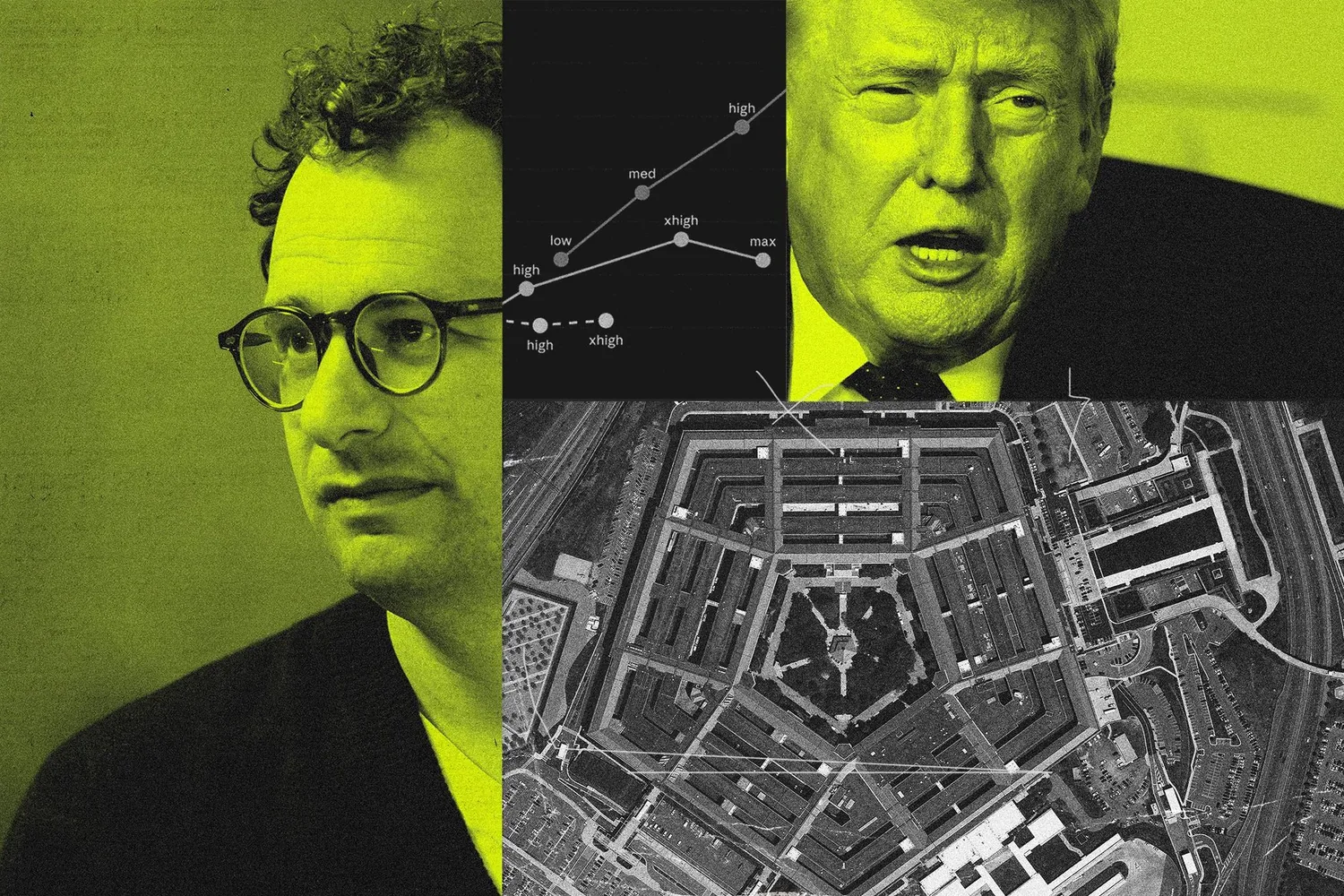
On Thursday, August 28, 2026, U.S. District Judge Rita F. Lin of the Northern District of California ruled that the Pentagon’s designation of AI company Anthropic as a “supply chain risk” was unconstitutional, constituting unlawful retaliation in violation of the First Amendment. This decision marks a decisive legal victory for Anthropic after months of contention.
Key Facts:
- Ruling Date: August 28, 2026 (Thursday)
- Court: U.S. District Court for the Northern District of California
- Judge: Rita F. Lin
- Core Determination: The supply chain risk designation was arbitrary and capricious and unconstitutional
- Legal Basis: First Amendment protection of free speech
- Relief: A preliminary injunction blocking the blacklist had been issued in March; this ruling affirms that decision
Timeline: From Contract Refusal to Legal Challenge

The conflict began earlier this year when then-Defense Secretary Pete Hegseth sought to renegotiate all AI lab contracts with the Department of Defense. The proposed terms would grant the Pentagon broad authority to use AI for “any lawful use,” significantly expanding军方 autonomy, potentially encompassing previously restricted applications.
While most AI laboratories accepted the new terms, Anthropic maintained two clear “red lines”:
- Prohibition against mass surveillance of U.S. citizens;
- Prohibition against lethal autonomous weapons systems (AI capable of selecting and engaging targets without meaningful human oversight).
This stance triggered a forceful backlash from defense officials. Internal Pentagon records cited by the judge show Anthropic was designated a supply chain risk precisely because of its “hostile manner through the press.” The judge previously noted: Punishing Anthropic for exposing the government’s contracting position to public scrutiny is classic illegal First Amendment retaliation.
Less than 24 hours before the final ultimatum, CEO Dario Amodei publicly reaffirmed the company’s position, stating Anthropic “has never raised objections to particular military operations nor attempted to limit use of our technology in an ad hoc manner,” but believes that in a “narrow set of cases, AI can undermine, rather than defend, democratic values.” Anthropic was formally blacklisted the following day.
##官方 Reaction and司法 Response
Anthropic filed suit in March 2026. In an earlier ruling, Judge Lin issued a preliminary injunction, stating the DoD’s rationale—that Anthropic’s public criticism justified the supply chain risk label—was unsupported.
The Pentagon responded by executing new contracts with seven other AI labs, including Google, Microsoft, OpenAI, and SpaceX, aiming to dilute Anthropic’s influence.
In the latest ruling, Judge Lin affirmed: Though the Department of Defense undeniably has the authority to select its preferred AI vendor, the broad measures imposed on Anthropic in this case were “illegal and baseless.” She emphasized: “The empty invocation of national security is not a blank check to punish and retaliate against government critics.”
Official Responses and Next Steps
Anthropic spokesperson Danielle Ghiglieri welcomed the ruling: “We welcome the court’s determination that this supply chain risk designation was unlawful. We remain focused on working productively with the government to harness AI for our national security so all Americans benefit from this technology.”
Notably, most rival AI labs accepted contract terms without ethical restrictions, creating a stark contrast: Anthropic’s consistent stand not only highlighted its distinct governance principles but also intensified public debate over the transparency of national security review criteria.
Practical Implications
- For AI Vendors: Companies establishing clear, consistent, principle-based use restrictions—not case-by-case operational vetoes—have stronger legal footing, though such stances carry tangible business risks, including triggering government审查.
- For Policy Scholars: This case reveals the高度 discretion in labeling entities as “supply chain risks,” underscoring the need for legislative or regulatory clarification of thresholds.
- General Public Impact: No immediate effect on consumers; however, broader adoption of ethical guardrails by tech firms could increase transparency in military AI procurement.
##写在最后
This case constitutes the first known U.S. government defeat in the AI sector over free speech grounds, setting an important judicial precedent for how tech companies may engage in public policy discourse. When national security narratives collide with constitutional principles, the court signaled that commensurate business freedoms and public oversight do not inherently conflict.