
Core Event Overview
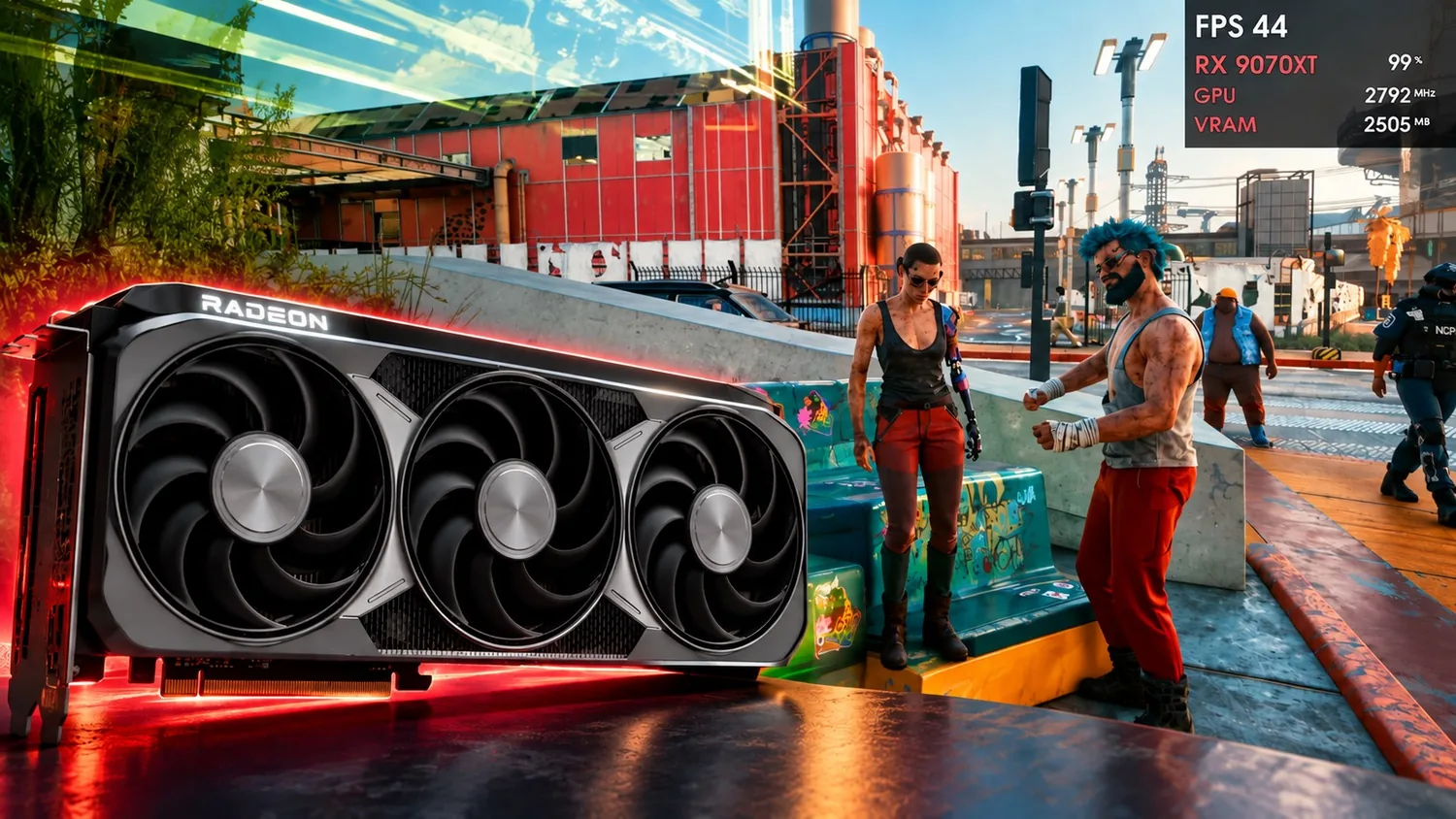
Third-party developer Daniel released the open-source tool DLSS-NR-on-AMD, enabling AMD Radeon GPUs to run NVIDIA’s DLSS 5 Neural Rendering. DLSS 5 Neural Rendering represents the fifth generation of DLSS technology, using AI to generate frames in real-time for improved visual fidelity—but typically at a significant performance cost.
Key factual highlights:
- Release timeline: DLSS-NR-on-AMD is continuously updated; latest is Alpha 0.4.0 (released September 27)
- Latest version: Alpha 0.4.0 (second update of the day)
- Stable release date: None yet; remains in developer preview (Alpha)
- Pricing: Free and open-source; no paid components
- Availability: Supports Radeon RX 7000 and RX 9000 series; requires manual configuration
- Weights access: Not stated—implementation relies on reverse engineering
Technical Breakthrough and Performance Leap
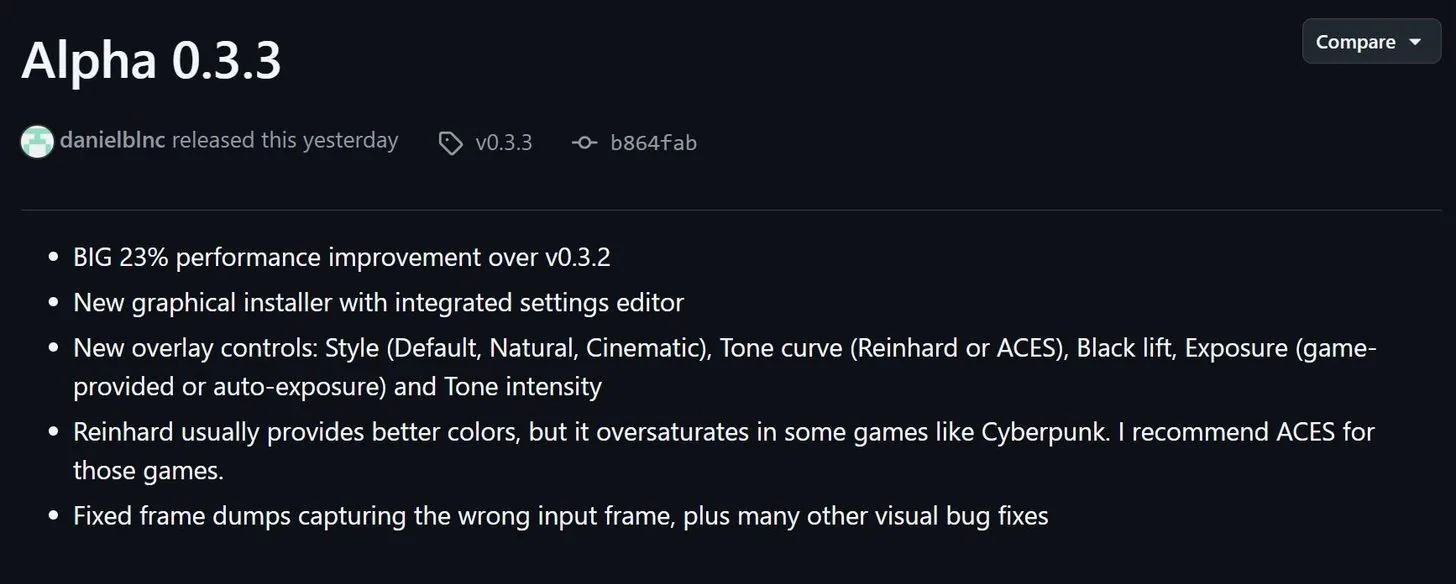
Early versions focused on bug fixes and minor optimizations, with poor real gaming experience. The developer vastly accelerated release cadence recently, publishing Alpha 0.3.3 on September 26 with a 23% performance boost—adding a GUI installer with built-in settings editor and new Overlay controls.
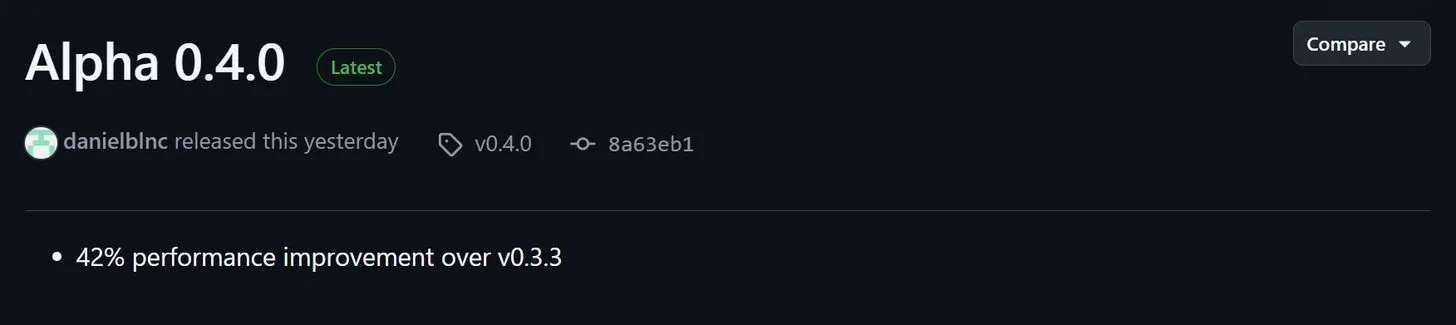
The same day (September 27), Alpha 0.4.0 arrived with a further 42% performance gain over 0.3.3. According to official figures, two iterations in one day yield nearly 74% cumulative performance improvement.
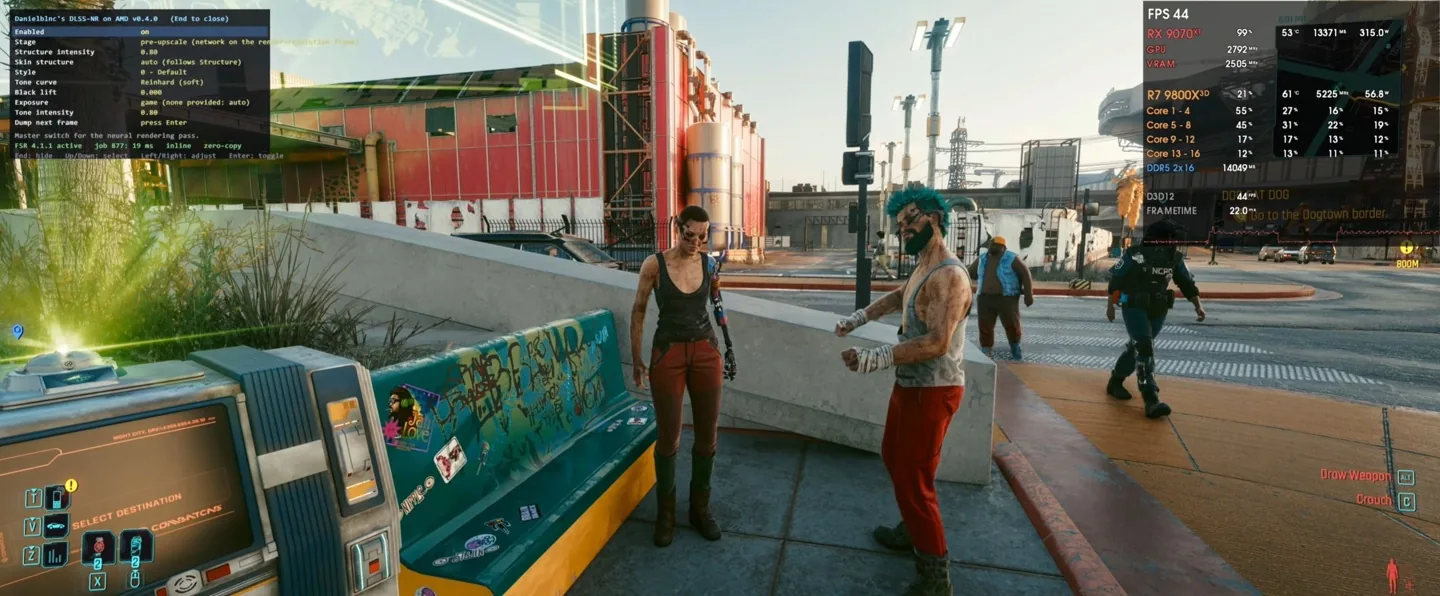
As of September 27, 2026, YouTube channel Ancient Gameplays reported testing results: in Cyberpunk 2077 at 3440×1440 resolution, frame rates rose from ~30 FPS (previous generations) to 50 FPS, approaching playable thresholds. This gain is notable because DLSS 5 Neural Rendering typically incurs near or over 50% performance loss even on native platforms (e.g., RTX 50 series).
Version Comparison
| Version | Release Date | Performance Change | New Features |
|---|---|---|---|
| Alpha 0.3.2 and earlier | — | Baseline (~30 FPS) | Bug fixes, minor optimizations |
| Alpha 0.3.3 | September 26 | ↑ 23% | GUI installer, built-in settings editor, Overlay controls |
| Alpha 0.4.0 | September 27 | ↑ 42% (vs 0.3.3) | — (no specific changes listed) |
Practical Recommendations for Users
Early adopters should try if:
- You own AMD GPUs (RX 7000/9000 series), excluding entry-level cards
- You prioritize DLSS 5 visual fidelity over raw performance
- You’re comfortable with experimental, manually configured software
Better wait if:
- You demand stable, plug-and-play experiences (Alpha version imply compatibility risks)
- Your GPU is mid-end or lower—project docs make no minimum VRAM/compute claims
- Frame-time consistency matters: DLSS 5 inherently adds overhead, and third-party ports may worsen stability
Final Thoughts
Third-party projects bridging hardware ecosystem gaps showcase remarkable engineering tenacity. Yet users must stay grounded: this enables “runs”, not “runs well”—NVIDIA retains exclusive access to neural network weights and driver-level optimizations. For AMD users, official vendor-native support remains the only path to truly reliable performance.