
A closed-door debut for DGP in Shanghai
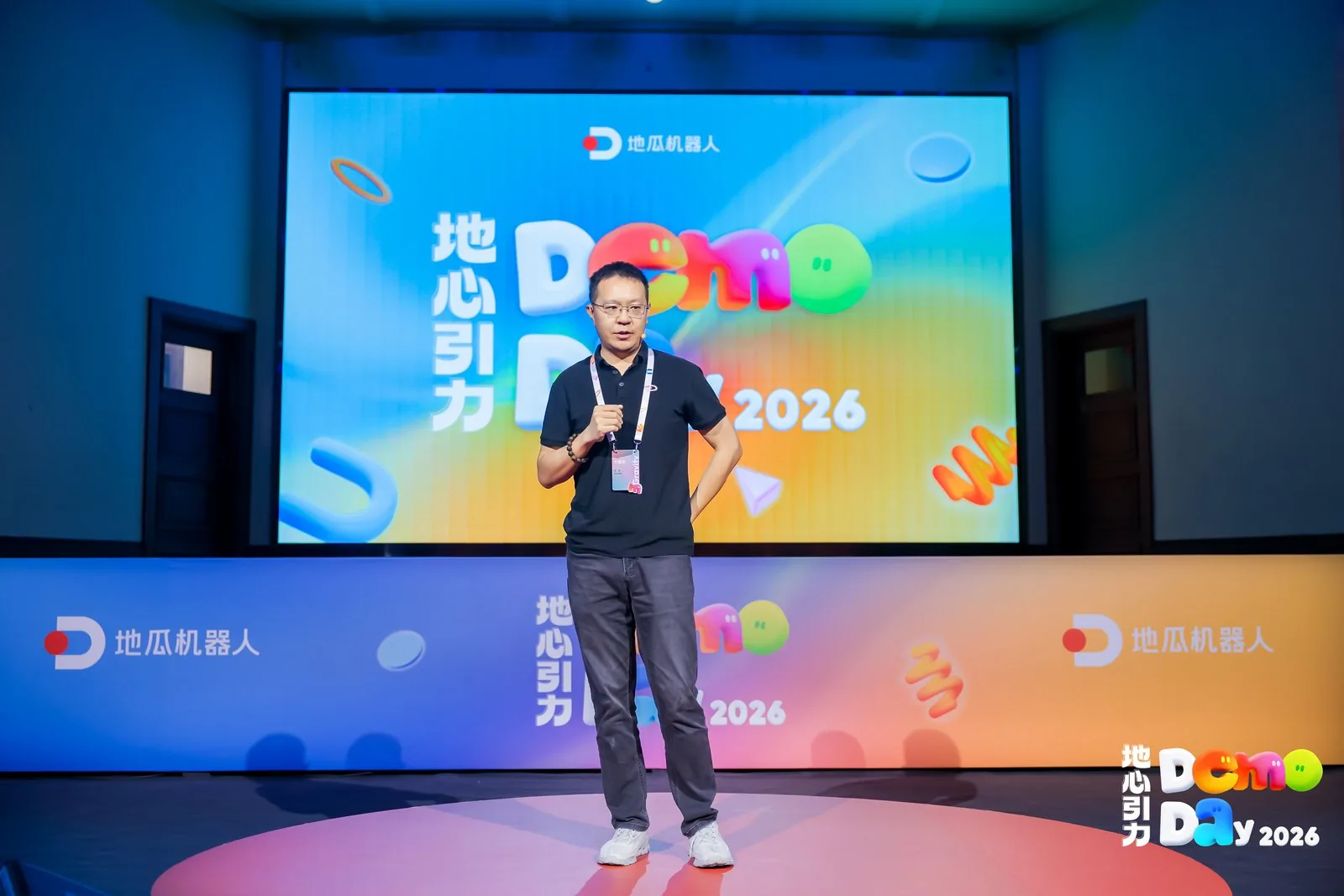
DGP Gravity Program, the core startup incubation initiative under Digu Robot, held its first offline closed-door demo day on August 7 at the Shanghai Innovation and Creative Design Institute. The event brought together 10 robotics startups and more than 40 investment institutions focused on AI hardware and robotics.
The demo day was hosted by Digu Robot, co-hosted by D.Transformer, with Xiaohongshu serving as the chief content partner. Investors in attendance included Hillhouse Ventures, Shunwei Capital, BAI and Unity Ventures, while judges came from firms such as Linear Capital, DiDi Investment and Jinqiu Fund. The format was invitation-only and benchmarked against market-oriented investment review standards, making it less a product show than a commercialization test.
Digu Robot CEO Wang Cong said the company hopes to build a practical “gravity field” for robotics founders, combining technology, capital and industrial resources to support the next generation of AI hardware and robotics companies.
Ten teams, many real-life use cases
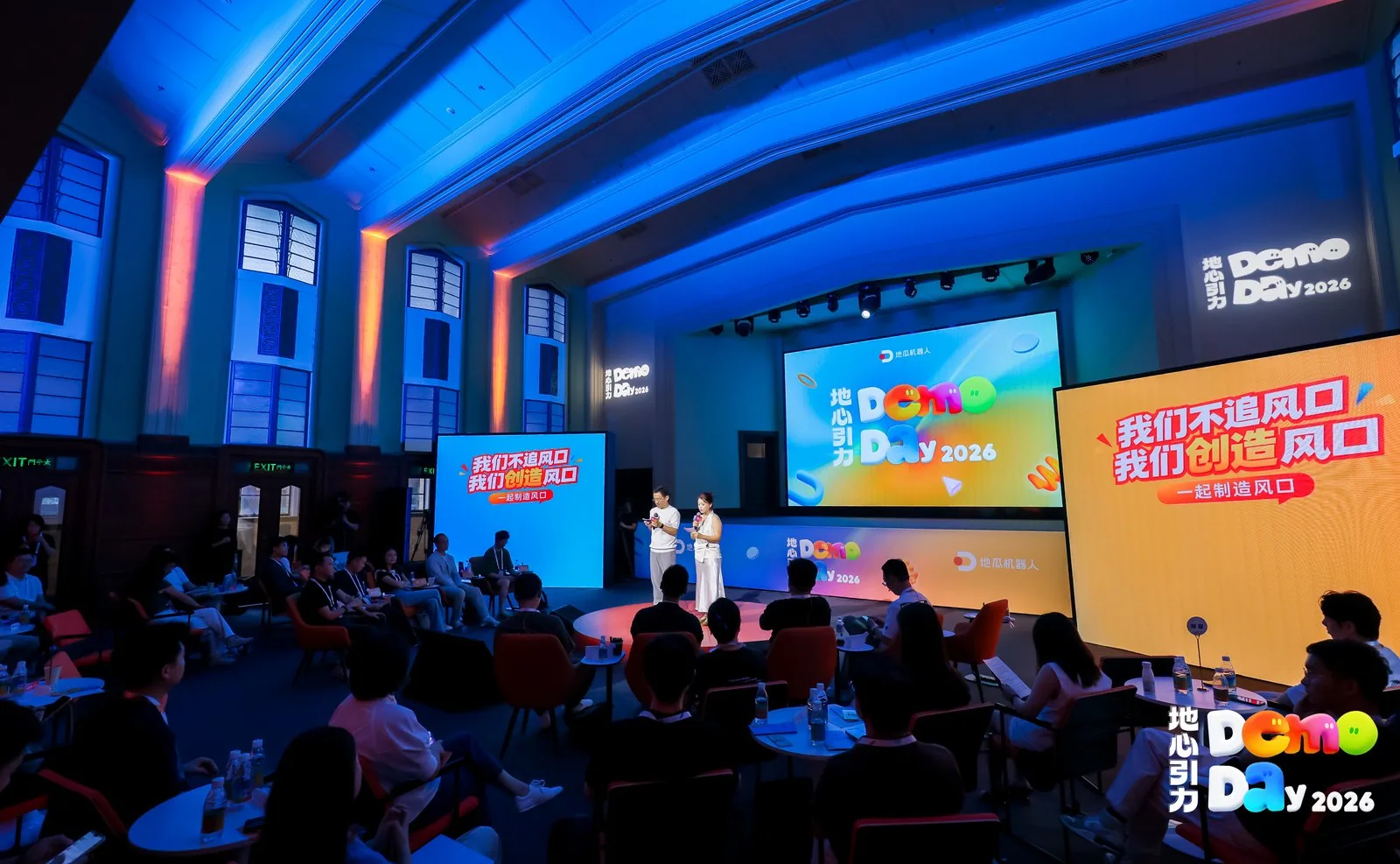
The 10 teams were selected from more than 200 DGP ecosystem member companies and publicly recruited projects. Their directions covered both relatively mature application scenarios and early-stage emerging categories. In simple terms, embodied intelligence refers to AI systems that can perceive the physical world and act through robotic bodies, rather than only generating text, images or code.
The showcased projects spanned a wide range of consumer and applied robotics fields:
- Langji Intelligence: next-generation personal mobility;
- BirdieSense / Xunling Technology: AI-powered golf training;
- Wudai Power: exoskeletons for hiking;
- Lingjidao: AI chips embedded in intangible-cultural-heritage accessories;
- Roboparty: low-cost open-source humanoid robots;
- Eulerverse: home embodied intelligence;
- Paiqi Technology: AI emotional companionship;
- Sonicite: AI intelligent sound systems;
- SeeAct.AI: self-evolving embodied intelligence models;
- Tiaoyue Technology: jumping robots as a new form factor.
Together, the lineup shows how robotics entrepreneurship is moving beyond factories and warehouses into homes, outdoor sports, entertainment, personal transport and specialized machines. Compared with earlier hardware showcases centered on mechanical design or model performance, these teams appear more focused on use cases, cost, pricing and the path to market.
Investors asked who would actually pay
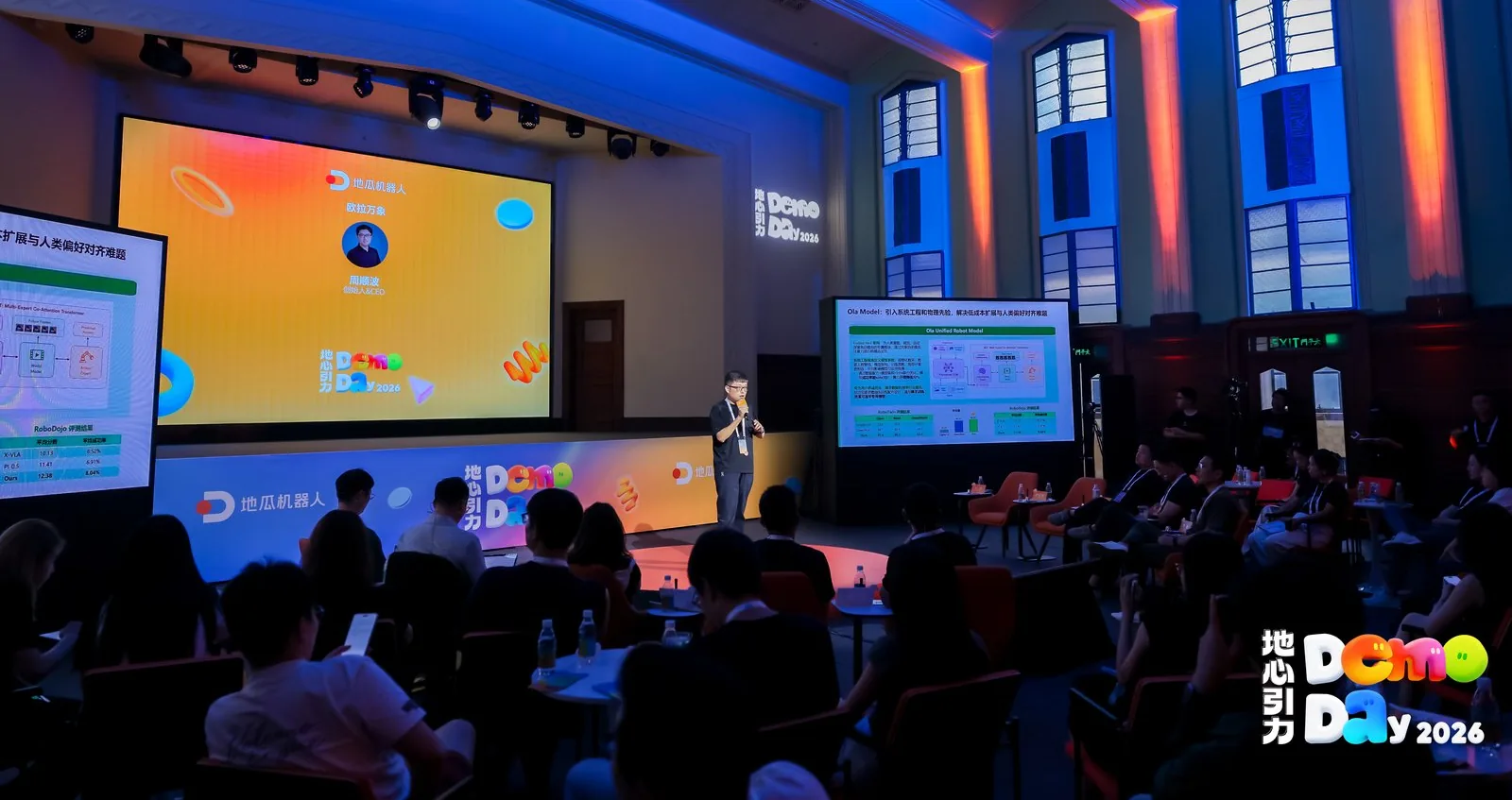
After pitches, demos and judging, Eulerverse, Xunling Technology and Tiaoyue Technology won the Pioneer Gravity Award, Gravity Exploration Award and Gravity Rising Star Award respectively. Eulerverse and Tiaoyue Technology each received seven “lights” in the on-site voting session, making them the most endorsed projects by the judges that day.
A notable theme was the shift in investor attention. Rather than focusing only on model parameters or robot shapes, investors and observers repeatedly asked more practical questions: Who is the buyer? Why would they buy it? Does the price make sense? What can the first users validate? Several observers noted that AI capability alone is not a purchase reason. Early-stage teams still need to test demand with real users and prove whether a product can move beyond geeks and developers into broader markets.
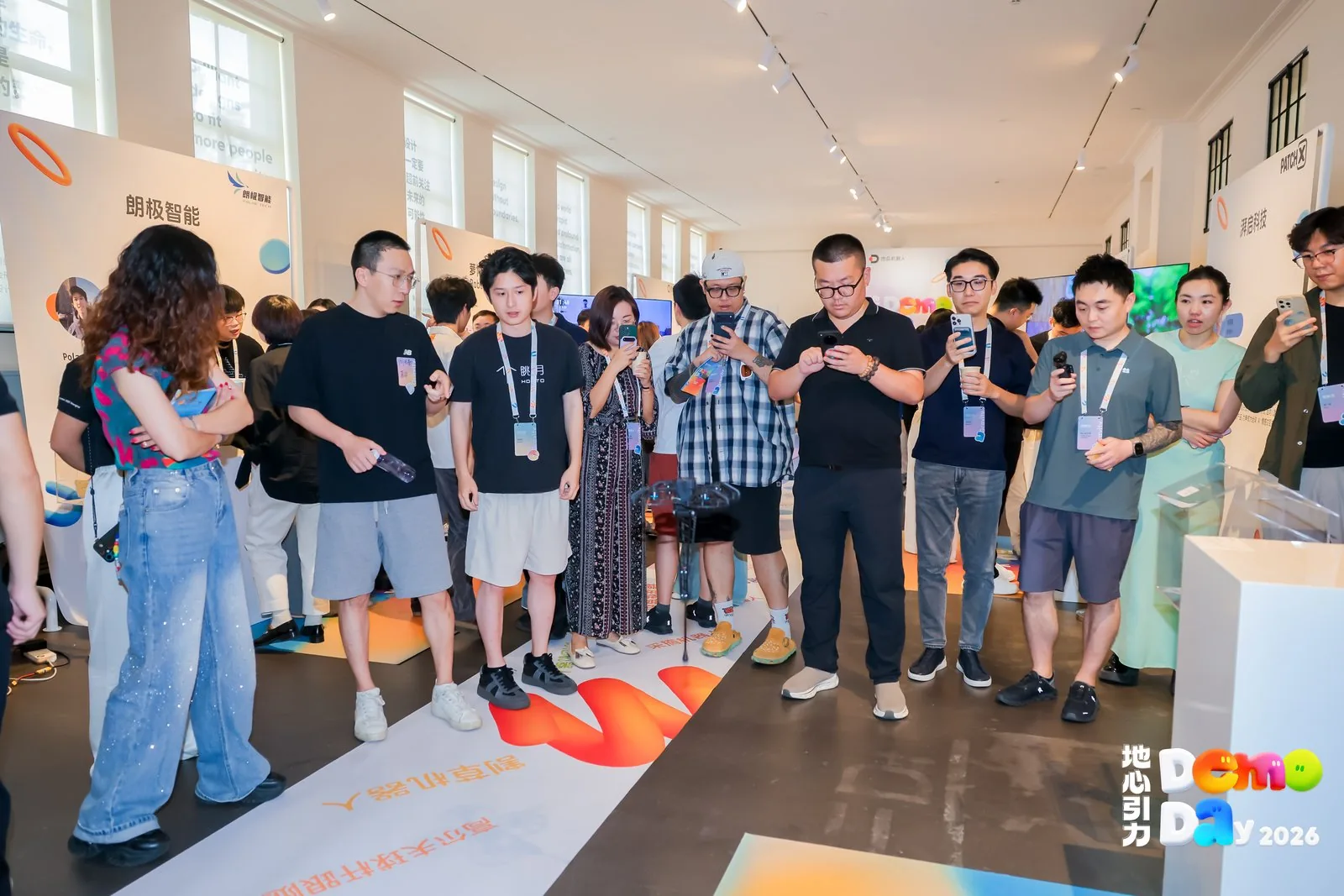
The event also included a demo area and one-on-one discussions. Startup teams continued conversations with investors on product positioning, supply chain issues, financing pace and overseas markets. These topics are especially important for robotics companies, because commercialization depends not only on software and algorithms, but also on hardware manufacturing, distribution and after-sales support.
Young founders and the DGP ecosystem
According to DGP, the teams on stage reflected one year of ecosystem building. The average founder age was under 30. The group included a 2004-born serial entrepreneur working on open-source humanoid robots, an undergraduate founder who had reached the Pre-A financing stage, a Huawei “Genius Youth” participant, and returning research teams from laboratories linked to institutions such as the University of Pennsylvania, Shanghai Jiao Tong University and City University of Hong Kong.
Some projects have already moved into product release, financing or overseas validation. Huang Yi, born in 2004, is building Roboparty as an open-source humanoid robot platform for global makers and universities. Post-2000 founder Shi Mulang and Langji Intelligence completed product development, overseas crowdfunding sales and Pre-A financing within two years based on Digu Robot’s general computing platform. Xunling Technology’s BirdieSense golf AI hardware uses the Digu Robot RDK X5 Module to enable three-dimensional posture recognition on a lightweight device, and is preparing for an overseas crowdfunding launch.
DGP positions itself as a platform that reduces repeated work in low-level technical adaptation and industrial resource matching. The program has connected with more than 40 incubators, university laboratories, leading investment institutions and technology media organizations at home and abroad. It says it has supported over 500 robotics startups and incubated more than 100 categories of robotics products. Digu Robot has also connected with more than 100,000 developers worldwide and accumulated over 5,000 open-source R&D projects.
What this says about robotics entrepreneurship
The demo day suggests that AI hardware and robotics startups are entering a more pragmatic phase. Model capabilities, developer boards and open-source communities have lowered the threshold for prototypes, but long-term success still depends on clear scenarios, reliable products, controllable costs and repeatable demand.
Home embodied intelligence, sports training, companion devices, personal mobility and special-form robots are likely to remain attractive to investors. But capital will increasingly favor teams that can prove real demand instead of merely demonstrating technical novelty. For incubation platforms like DGP, the core value will be whether they can continuously connect technology, supply chains, channels and financing, helping early robotics companies cross the difficult gap between prototype and marketable product.