
A Narrow Update Meets a Wider Backlash
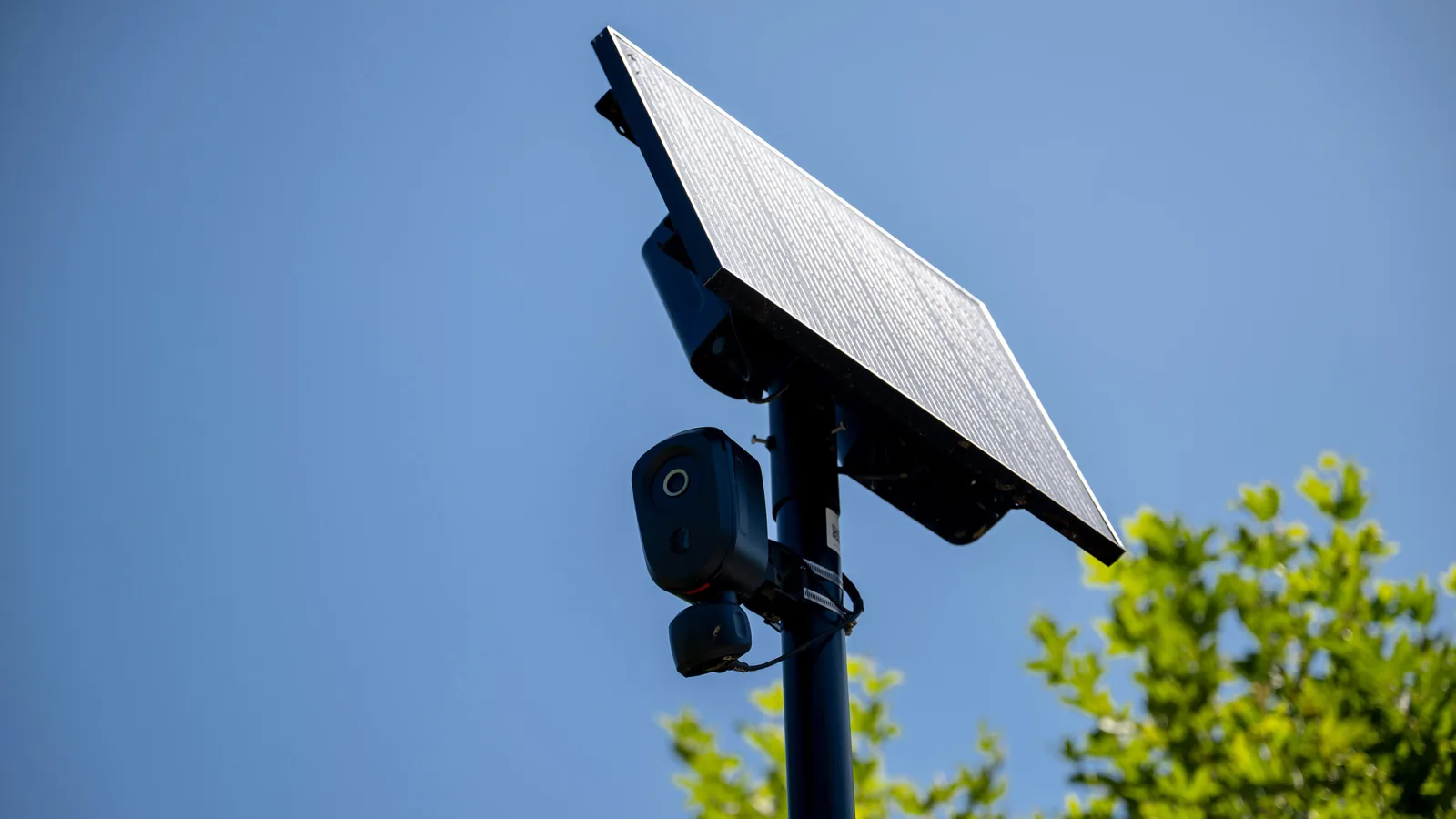
Flock, the police-technology company best known for a US network of roughly 120,000 automatic license plate readers, has announced platform changes intended to stop officers from using its tools for illegal or illegitimate purposes. Automatic license plate readers are camera systems that capture plates and associated time-and-location data so law enforcement can search for vehicles later.
The move follows fresh scrutiny of misuse. The Washington Post recently identified 50 cases in which officers abused systems from Flock and rival vendors, often to stalk or harass women. In one Wisconsin case, a woman alleged that her officer ex-boyfriend searched for her car 179 times. Another woman was allegedly stalked by a police chief, leaving her with no obvious person to report him to.
Flock’s response includes software meant to flag abnormal searches and a requirement that officers enter a criminal case number before running a query. The company’s aim is to make every search appear tied to a legitimate investigative purpose.
The Safeguards Still Have Gaps
The central weakness is verification. Flock confirmed to MIT Technology Review that it does not validate those case numbers against police-department records. An officer can therefore type in a false number, just as officers have reportedly lied to bypass other safeguards.
A stricter system could require case numbers to match agency records before a search proceeds. That would likely be a more intrusive integration with police databases, but it would also create a stronger audit trail. The important issue is not simply whether a rule exists; it is whether the rule meaningfully constrains access to a powerful surveillance tool.
The Real Question: What Kind of Network Has Flock Built?
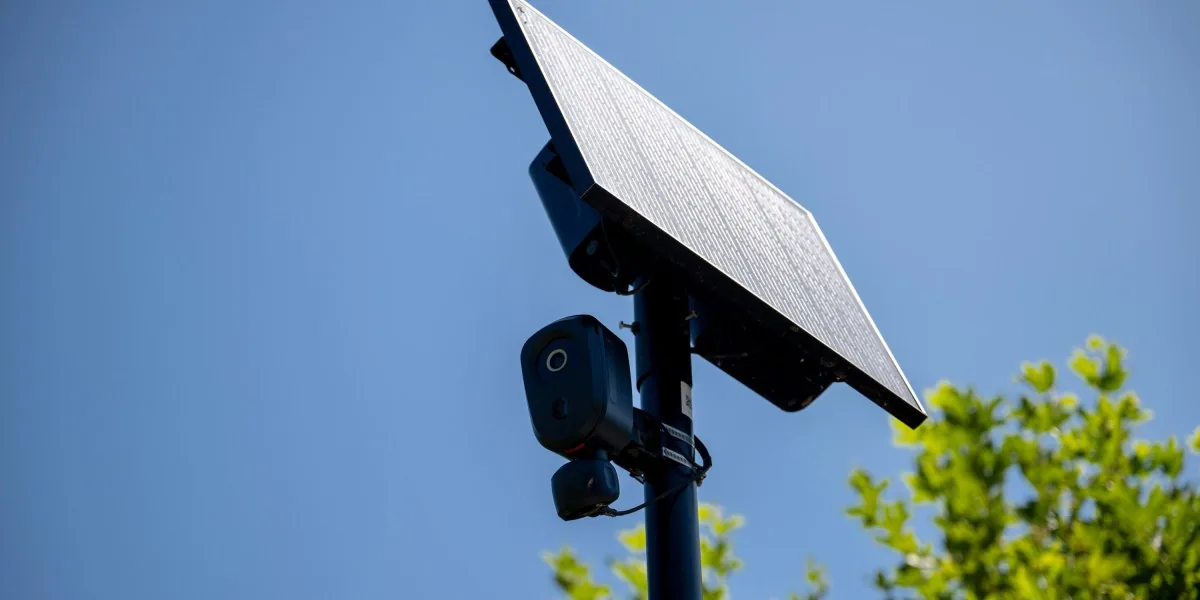
Defenders often argue that if the cameras help solve crimes or locate kidnapping victims, the public should accept them. But that framing skips a deeper design question: how much information is collected, who can search it, how long it is retained, and how broadly it is shared.
Flock’s system largely functions as a national network. Police in one city or state may search data collected elsewhere, and agencies can keep that data for months or years. Yet Flock says 90% of searches occur within a week of an incident. That statistic points to a possible compromise: retain and share data only for the period and geographic scope where it is most useful for investigations.
Flock recently changed its recommended retention period to seven days. But agencies can still hold on to data for as long as they choose, meaning the recommendation does not itself settle the governance problem.
Narrower Uses Are Technically Imaginable
The same network could be designed around narrower emergency use cases. For instance, searches linked to an active Amber Alert or similar emergency could be granted broader access across nearby jurisdictions, while routine access remained limited. That approach would preserve some value in urgent cases without requiring communities to accept broad, ongoing surveillance by default.
Civil-liberties groups may still oppose the underlying model. Chad Marlow, a senior policy counsel at the ACLU, told MIT Technology Review that the most acceptable Flock contract by his standards would be one that is never signed, and argued that surveillance limits should come from law rather than company guidelines. Flock CEO Garrett Langley said he will probably always see the issue differently than the ACLU.
Contracts and Laws May Decide the Next Phase
License plate readers have existed since the 1990s for uses such as tolling and ticketing. Flock’s business model is different: it turns cameras into a large shared network and offers police departments a modern way to interpret both their own data and data collected by others. That model underpins its recent $8 billion valuation.
But the company’s hand may be forced. Some cities have canceled Flock contracts; some have moved to competitors, while others are pausing as residents debate how the technology should be used and what rules police should follow. The next phase is likely to be shaped less by whether surveillance technology can aid policing in theory, and more by local decisions about retention, sharing, auditing, and legal limits.