
Core Event and Key Facts
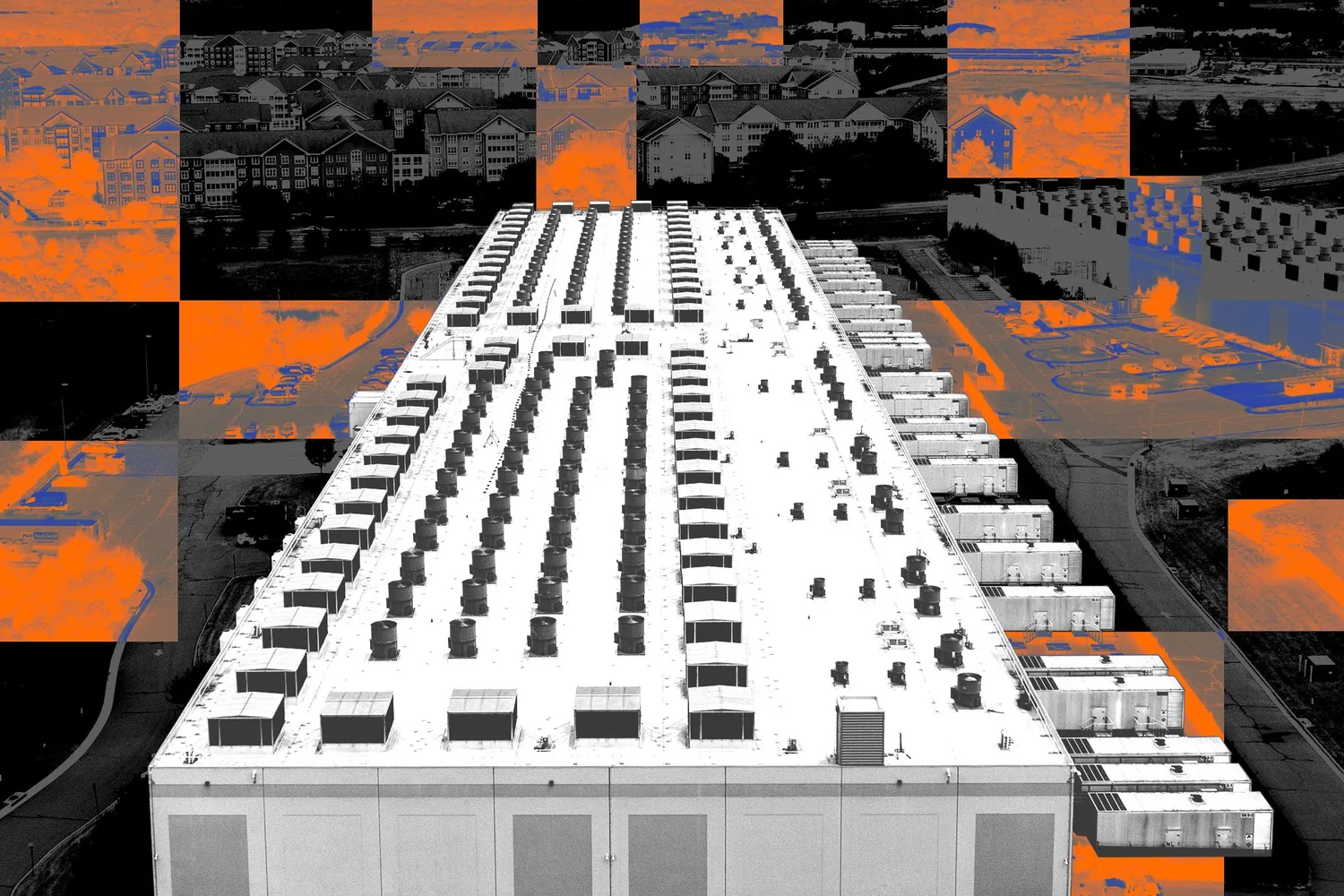
The Environmental Protection Network (EPN), an independent organization of former U.S. Environmental Protection Agency (EPA) employees, released a report this week arguing that the Trump administration’s environmental deregulation in support of AI data center construction could raise public-health risks. The report identifies 30 federal actions since January 2025 that it says exacerbate health risks linked to data-center pollution; 17 specifically mention AI or target data centers.
According to EPN, the actions include efforts to curb renewable-energy projects, soften pollution regulations, and exempt existing power plants and factories from certain standards. The group is urging President Trump to adopt a “Data Center Health Protection Pledge” as a signal that the administration takes the environmental threat seriously.
Key points include:
- Policy count: EPN identifies 30 federal actions that it says increase health risks, including 17 that reference AI or data centers.
- Policy context: EPA Administrator Lee Zeldin has said he wants to make the United States “the AI capital of the world” through deregulation.
- Proposed alternative: EPN is calling for a “Data Center Health Protection Pledge.”
- EPA response: Spokesperson Cora Mandy said the agency’s actions return regulations to what EPA considers the best reading of the Clean Air Act after years of overreach by previous administrations.
Pollution Sources and Health Costs
EPN argues that pollution associated with data centers can affect people far beyond the facilities themselves. A study by UC Riverside, Caltech, and the Rochester Institute of Technology found that AI-related air pollution could cause up to 1,300 premature deaths and more than $20 billion in public-health costs by 2028. EPN says the toll could be larger when the policy changes in its report are taken into account.
The risks span three connected areas:
- Energy supply: EPN argues that constraints on renewable energy and weaker pollution rules could leave more new data centers reliant on polluting energy sources, including on-site gas turbines and power plants built specifically to serve technology companies.
- Equipment manufacturing: Demand for advanced chips used in generative AI is reviving production of “forever chemicals,” which do not break down easily and can accumulate in the environment and human bodies.
- Regional exposure: The effects are not confined to the data-center site, because pollution can also stem from the energy and manufacturing infrastructure that supports it.
Lynn Goldman, a pediatrician and former EPA assistant administrator, said at the briefing: “You would think that an industry buildout of this magnitude, billed as a revolution, would mean more vigilance from EPA. Instead, EPA is doing just the opposite, thinking first about industry’s needs and weakening or reconsidering limits on toxic chemicals and harmful pollutants.”
The Policy Dispute

Trump released an “AI Action Plan” in July 2025. It recommended “streamlining or reducing regulations” under the Clean Air Act, Clean Water Act, and Superfund law in order to speed permitting for data-center projects and chip factories.
EPN and other critics argue that the changes could weaken environmental oversight in several ways:
- Exemptions and faster permitting: Executive actions and policy proposals may lower compliance barriers for data centers, their power supplies, and related industrial projects.
- Changes to pollution standards: Existing power plants and factories could be exempted from certain requirements.
- Reduced agency capacity: The report points to cuts in EPA staffing and funding that could limit enforcement and oversight.
- Energy-system risk: If renewable-energy projects are constrained, rapidly expanding data centers may become more dependent on fossil-fuel generation.
Tyson Slocum, energy program director at consumer advocacy group Public Citizen, previously told The Verge: “What the AI plan is really about [is] using unprecedented emergency powers to grant massive new exemptions for data centers and specifically fossil fuel infrastructure.”
Internal and External Dissent
Last year, hundreds of current EPA employees sent a public letter to Lee Zeldin warning: “EPA under your leadership will not protect communities from hazardous chemicals and unsafe drinking water, but instead will increase risks to public health and safety.”
EPN argues that an agency created to “protect human health and the environment” should measure how the AI buildout changes pollution, identify who is exposed and what it means for their health, and make that information public. EPA, meanwhile, said it remains committed to “Protect Human Health and The Environment” while also prioritizing “Making America the AI Capital of the World.”
What to Watch
- Businesses and investors: Data-center siting and power strategies should account not only for short-term permitting speed but also for emissions compliance, community relations, and long-term reputational risk.
- Communities and environmental groups: The power source, nearby industrial infrastructure, and emissions permits associated with data centers are key areas for public scrutiny and disclosure.
- Technology professionals: More efficient computing, energy-saving cooling, and lower-carbon electricity can reduce the resource burden and environmental externalities of AI infrastructure.
Conclusion
AI infrastructure growth and environmental protection are not inherently incompatible. The study’s estimate of up to 1,300 premature deaths and more than $20 billion in public-health costs by 2028 underscores that the social costs of AI expansion will be shaped by choices around energy, regulation, and construction. Maintaining credible pollution monitoring, environmental standards, and public disclosure will be central to building AI infrastructure responsibly.