
1. Core Announcement: Intel Establishes CPU as Central Controller in AI Inference Era
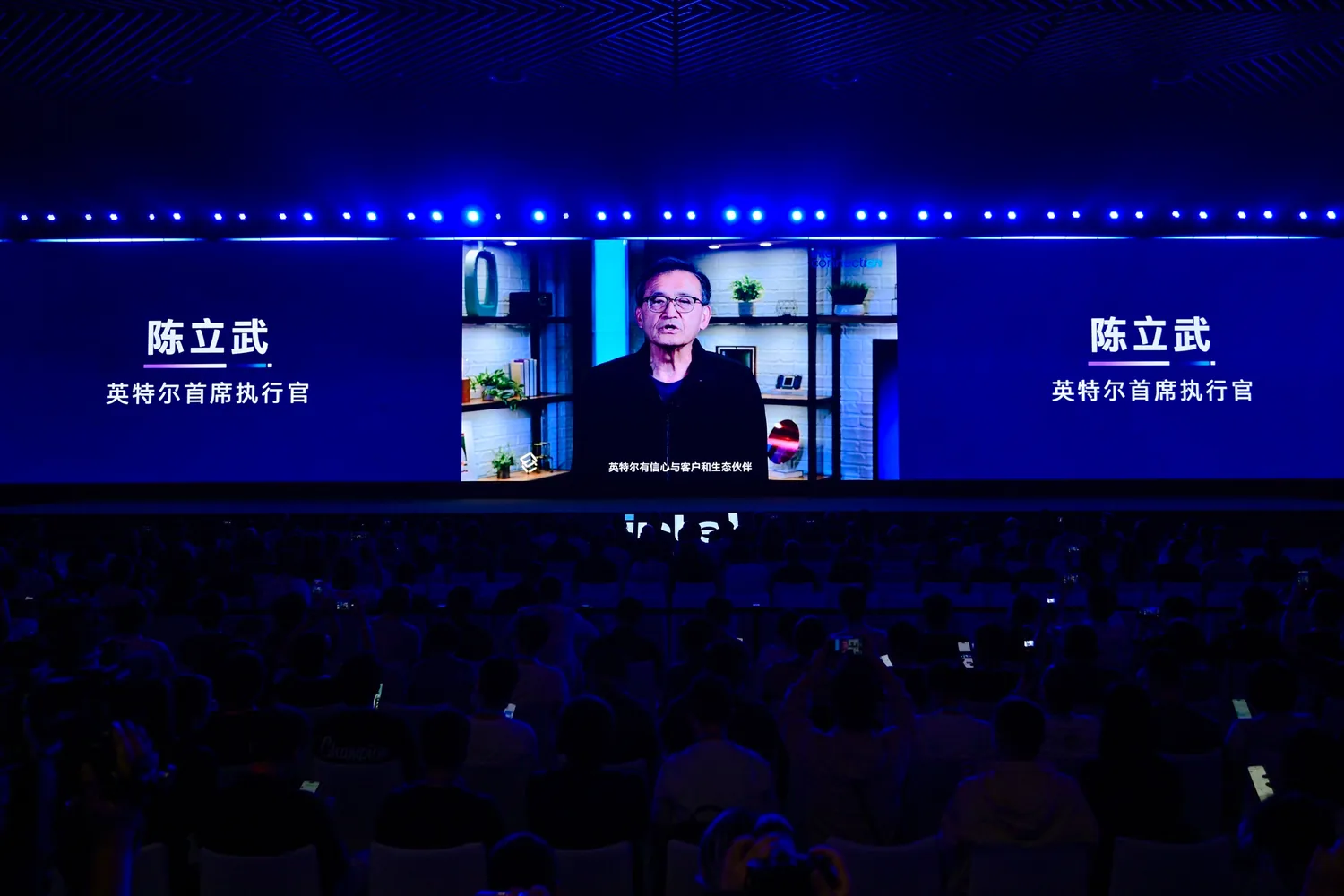
At its September 22, 2026 Connection event, Intel systematically positioned CPU as the central controller of AI inference systems—a pivotal shift from its traditional supporting role. The strategy spans both digital and physical AI scenarios with targeted system-level solutions:
- Announcement date: September 22, 2026
- Key products: Xeon 6+ processor (Intel 18A node, up to 288 efficiency cores) with Agent Suite; 3rd Gen Core Ultra SoC supporting “big-little brain” fusion
- Critical capabilities: Single Xeon 6+ supports ~1,000 agents; 15% per-agent performance lead over competitors in SWE-bench; 350 concurrent sandboxes (1.46× competitor) under 200ms latency constraint
- Availability: Agent Kit to launch on JD.com in November
2. Digital AI: CPU as the System-Wide Orchestration Hub
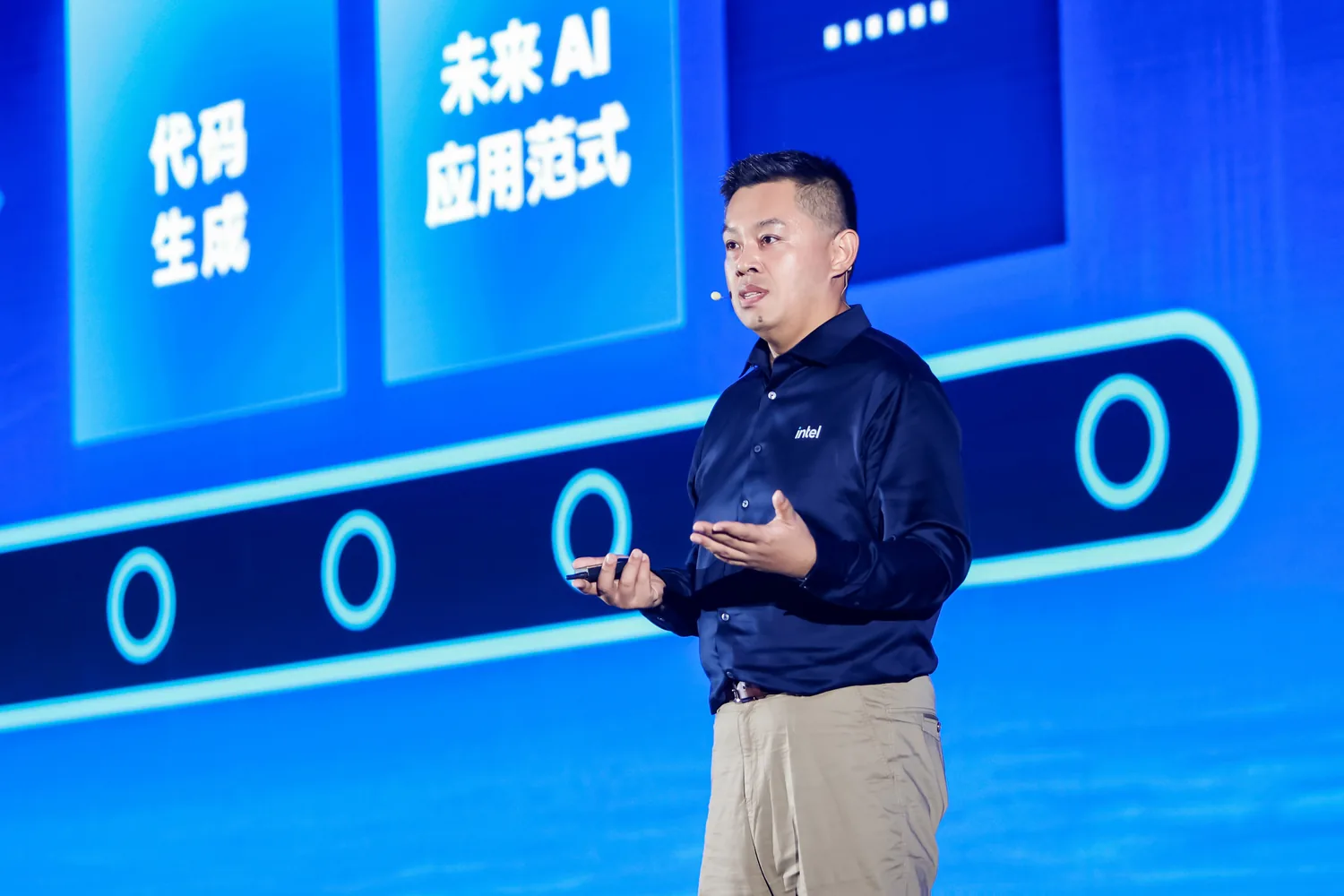
Agent execution fundamentally differs from model training. Training involves parallelizable batch workloads targeting maximum throughput; agents operate as serial state machines where any delay propagates along the task chain, degrading user experience. This makes traditional CPU optimization for average throughput obsolete.
Intel’s solution: datacenter restructuring into three purpose-built clusters:
- CPU cluster: Agent execution and task orchestration
- GPU cluster: Model inference computation
- Storage cluster: Lingering data (conversations, documents)
CPU handles all cross-cluster data coordination. Supporting metrics:
- SWE-bench: 15% per-agent performance lead over competitors (key surprising finding: GPU dominance in training doesn’t automatically translate to inference superiority)
- Cloud sandbox: 350 concurrent sandboxes with ≤200ms latency within 10-minute burst of 10,000 sandboxes (1.46× competitor performance)
- Heterogeneous preprocessing: AMX delivers 2× vectorization and 4× reordering throughput
- KV Cache management: QAT achieves lossless compression from 300GB to 200GB; DSA engine accelerates data movement up to 9.66×
3. Physical AI: Unifying Perception-Decision-Control in a Single SoC
Physical AI involves robots interacting with the real world—a domain where precise manipulation remains challenging. Legacy multi-chip solutions suffer from latency and coordination gaps between separate感知 (perception), 决策 (decision), and control units.
Intel’s 3rd Gen Core Ultra breaks this barrier with “big-little brain” fusion:
- CPU as “little brain”: 4kHz control frequency—4,000 motion adjustments per second
- GPU for high-level reasoning: 78ms latency at Pi0.5 precision (below human 200-250ms reaction time)
- NPU for vision: YOLOv12n inference in 3.55ms (~280 frames/second, far exceeding standard 60fps cameras)
4. Ecosystem and Cost Optimization
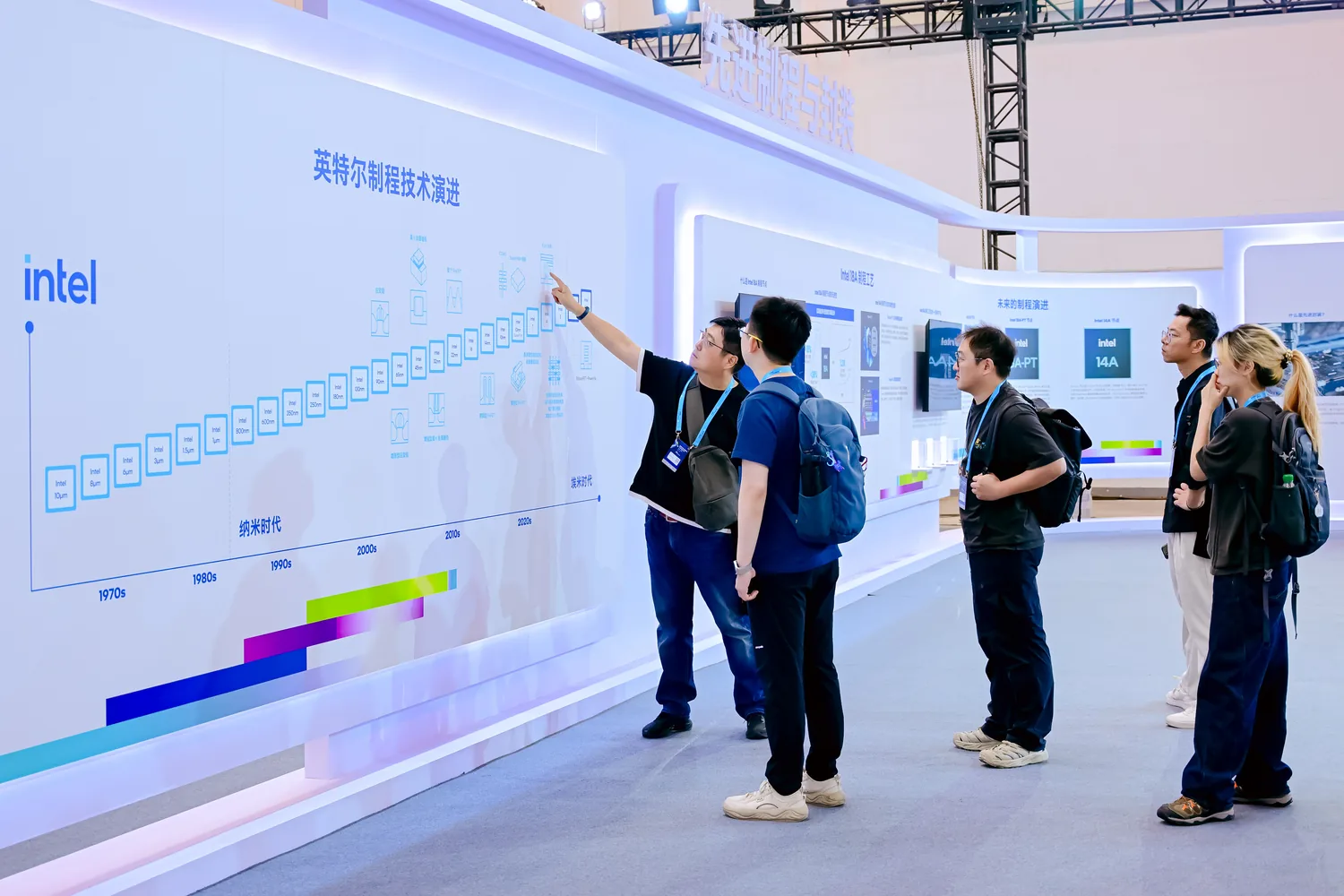
Two critical barriers for embodied AI: sky-high training costs (some firms burn hundreds of dollars per afternoon of engineering) and undefined algorithmic paradigms (world models, VLA, etc.), risking heavy platform obsolescence.
Intel’s differentiation:
- Hardware: Single-SoC integration reduces computation redundancy and power consumption
- Ecosystem: Refuses to bet on one algorithm; provides open architecture supporting parallel validation of multiple paradigms. Partners include Keton Industrial,神州数码, with deployments across manufacturing, construction, healthcare, smart cities, logistics, and hospitality.
5. Implementation Guidance
- Early adopters: Industrial automation integrators, embodied AI startups, cloud providers needing large-scale agent orchestration (leverage Xeon 6+ concurrency strengths)
- Wait-and-see: Workloads focused solely on large model training (GPU remains optimal), or highly exploratory projects with immature algorithmic trajectories
Final Notes
AI is transitioning from “fast computation” to “real work accomplished.” The compute landscape is shifting from centralized massive parallel processing to distributed fine-grained orchestration. CPU’s strength in control infrastructure, ecosystem maturity, and foundational software positions it to dominate the inference era—a correction not just in technical hierarchy, but in the fundamental logic of AI commercialization.