
Google’s new Pet Memory feature for Gemini for Home is meant to make Nest cameras understand not just that an animal appeared, but which pet it was. In a two-week test reported by The Verge, that promise broke down in a very practical way: the system repeatedly failed to tell three cats apart.
A personalized step beyond basic camera alerts
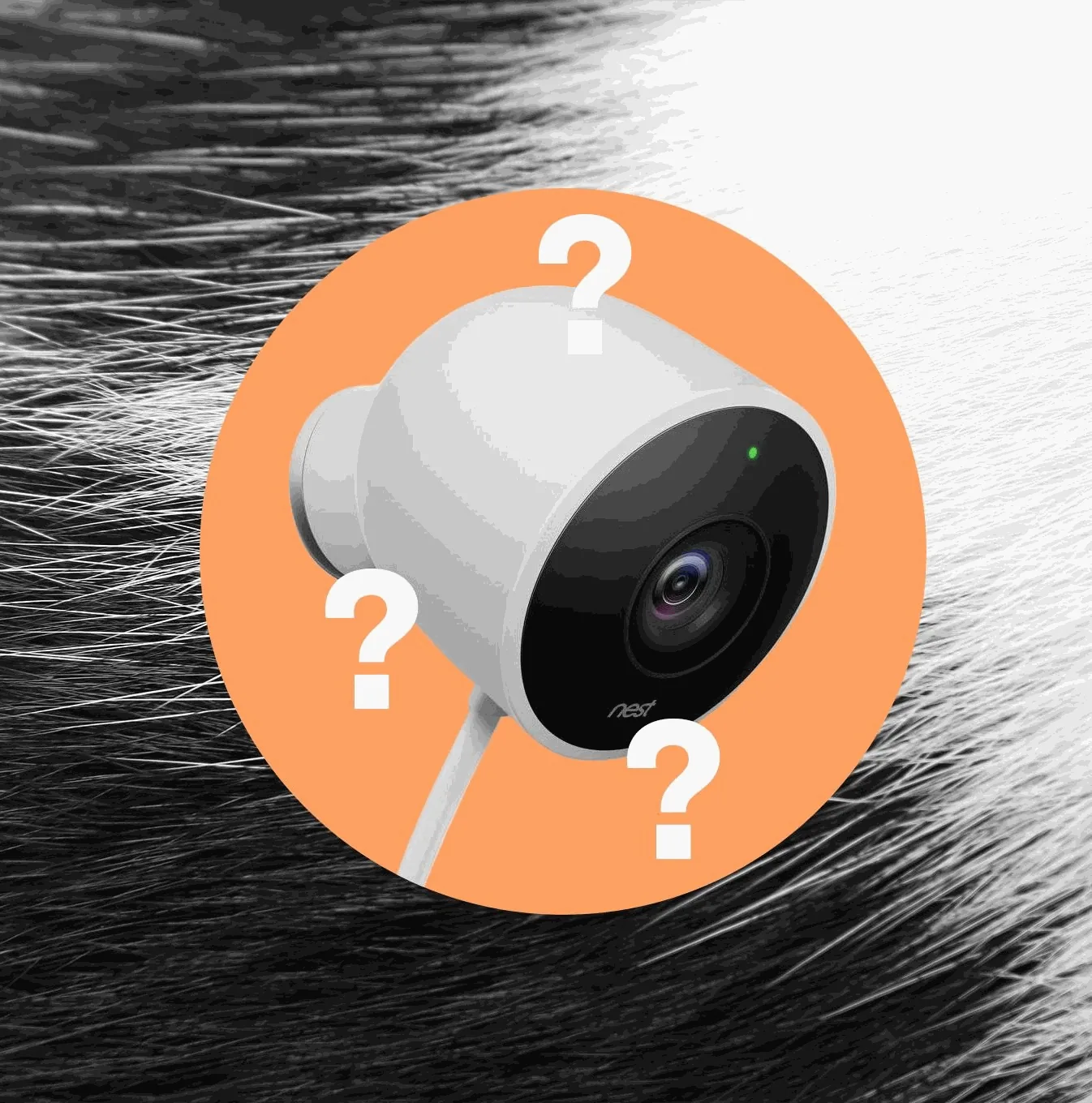
The appeal of Pet Memory is easy to understand. Security cameras are already useful for pet owners, but they can generate a flood of notifications. A more specific alert — for example, identifying which cat is at the door or near a feeder — could make a smart home far more useful.
The tester hoped to use the feature for three everyday tasks: checking which cat wanted to come inside, confirming that the cats were safely indoors before dark, and building personalized feeding automations. This is the next stage in a broader camera trend. Older smart cameras mostly detected motion; newer systems use machine learning and generative AI to produce descriptive alerts such as what kind of animal appeared. Google’s twist is personalization: replacing a generic “pet” or “cat” label with a specific name.
How Pet Memory works — and where it is limited

According to Google Home product manager Rudra Bhatt, Pet Memory compares the pet description supplied by the user with the text description Gemini generates from the camera feed. If the descriptions match, Google Home replaces the generic pet reference with the animal’s name.
The feature has several important constraints:
- Subscription: it requires the $20-per-month Google Home Advanced Plan.
- Camera support: in the test, it worked on Nest cameras; Google says it is compatible with any Gemini-enabled camera.
- Location: it works only with indoor cameras.
- Training: unlike Google Home’s Familiar Faces feature, it does not build a dedicated visual profile for each pet, does not let users upload photos, and offers no obvious correction path when it is wrong.
The tester entered details for three cats: Boone, a tuxedo cat with white paws; Osa, a tabby kitten; and Smokey, a large gray-and-white cat. But the system kept identifying all of them as Smokey, the first cat that had been added. Attempts to provide more detailed descriptions were rejected by the system.
Wrong identification undermines automation
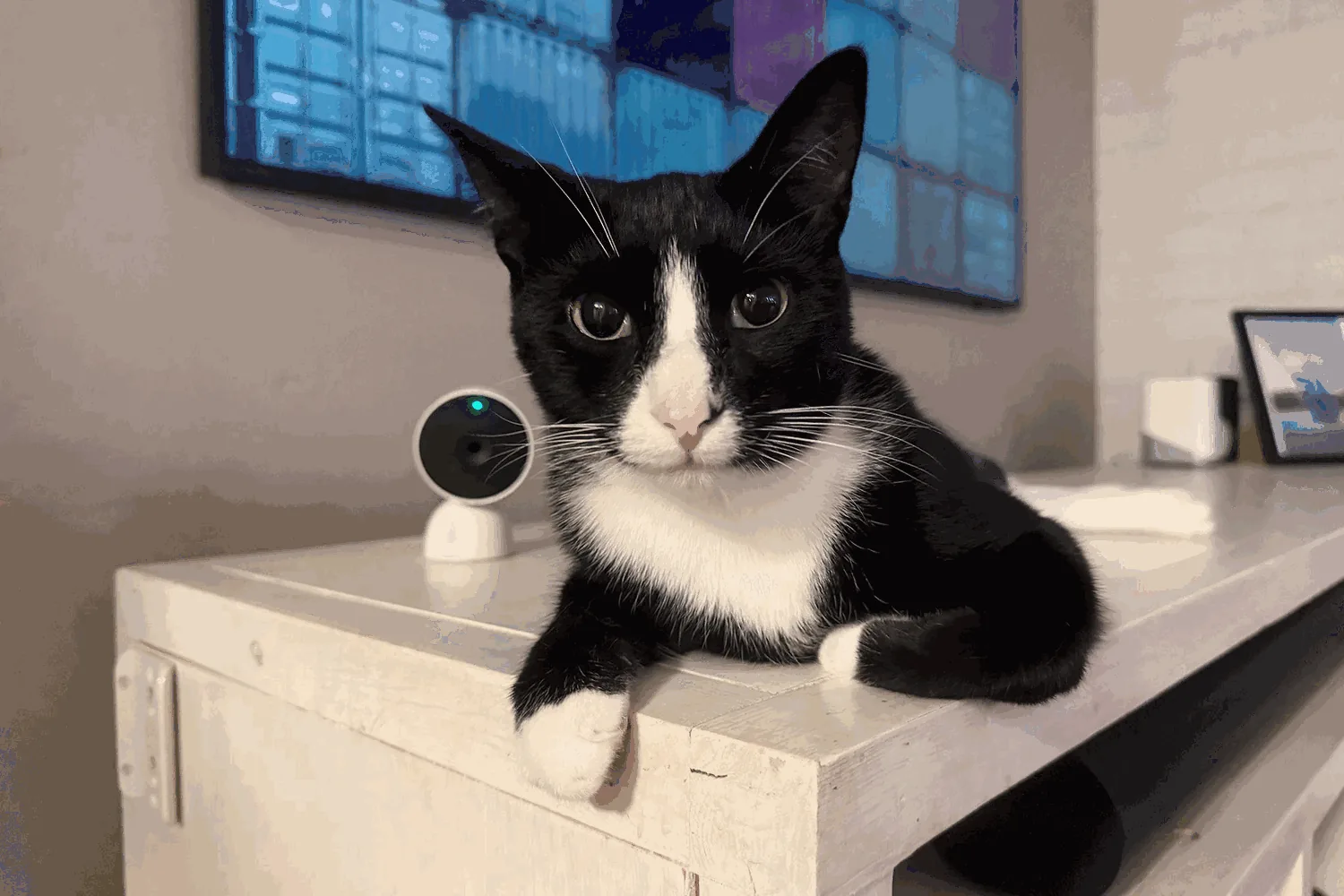
Pet Memory’s most useful promise is not just nicer notifications. It is the idea that a smart home could use pet identity as a reliable input: which cat is at the door, which cat is inside before dark, or which cat is near a feeder.
That depends on the system being able to distinguish individual animals. In this test, Gemini could not do that. If every cat is treated as Smokey, any notification or automation based on a specific pet name becomes unreliable. For low-stakes alerts, that may be merely annoying; for feeding or safety-related routines, it creates a need for manual checking.
Google also acknowledged the limitation. Bhatt said Gemini does a very good job with a single pet and is acceptable at distinguishing different species, such as a cat versus a dog. The harder case is telling apart multiple pets of the same type — exactly the situation many multi-pet households care about.
What this says about smart home AI
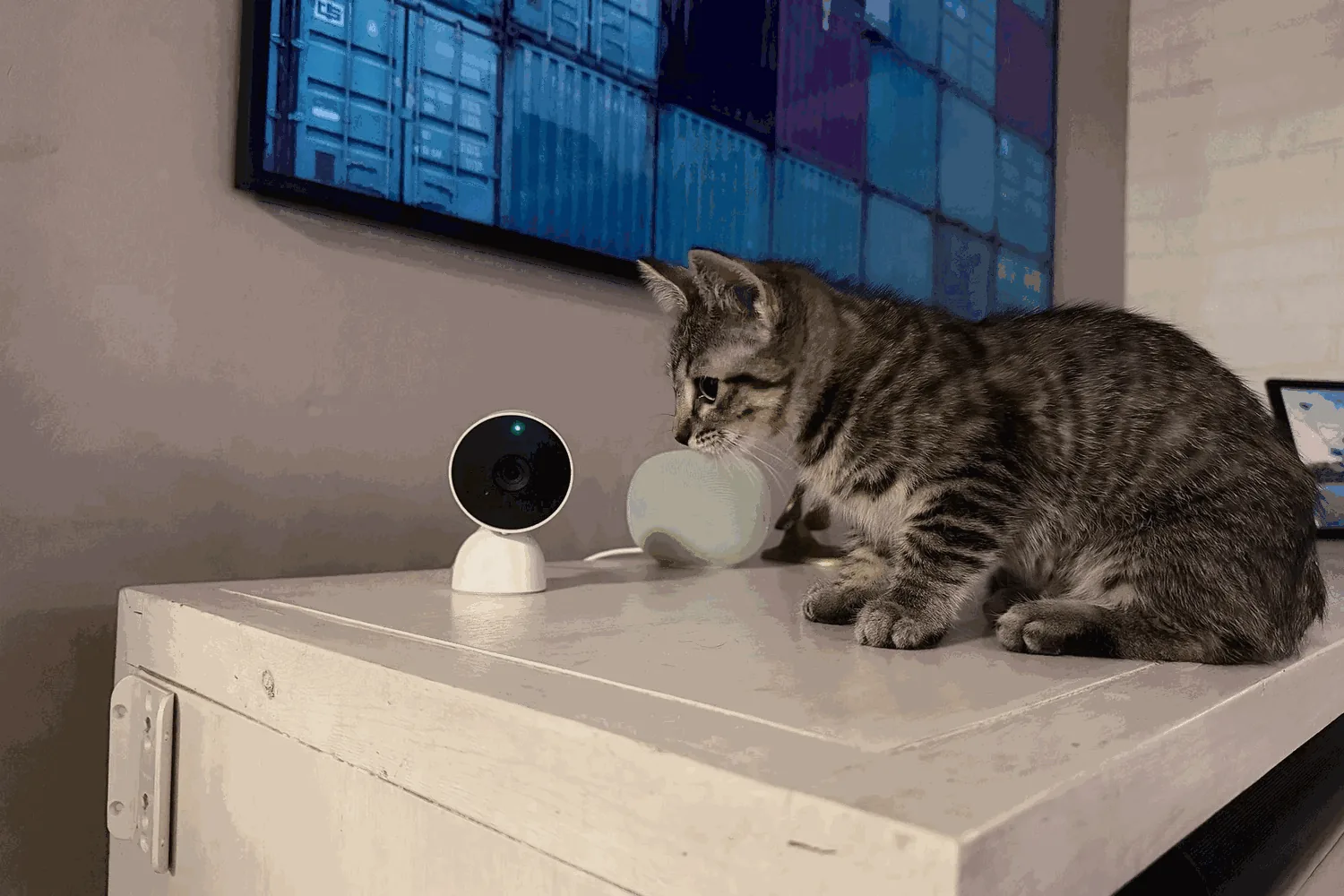
The test does not mean AI pet recognition is useless. More descriptive camera alerts can still reduce the need to open an app and inspect every clip, and they show where smart home systems are heading. But descriptive AI alerts are not the same as dependable smart home control.
For pet-specific automations to be trustworthy, these systems need better training, correction, and control tools: ways to say “this is not Smokey,” add reference images, or set stricter automation conditions. Pet Memory points toward a useful future for AI in the home, but today it looks more like an experimental assistant than a feature users should fully trust for pet-specific routines.