
Core News: AI Models Launch Simultaneously with Deep Price Cuts

On September 22, 2026, OpenAI and Anthropic announced new model releases within roughly one hour of each other, both highlighting steep price reductions:
- OpenAI unveiled GPT-6 Sol and GPT-6 Luna, with API pricing at 50% of the promotional GPT-5.6 rate, as a permanent (not time-limited) setting;
- Anthropic launched Claude Opus 5.5, achieving a 40% cost reduction over Opus 5 for comparable workloads, with output speeds improving by over 30%;
- The new models are currently available to developers; -“Cheaper pricing” was explicitly positioned by both as the central marketing hook of this update.
Price and Performance Comparison: Discounts Are Real
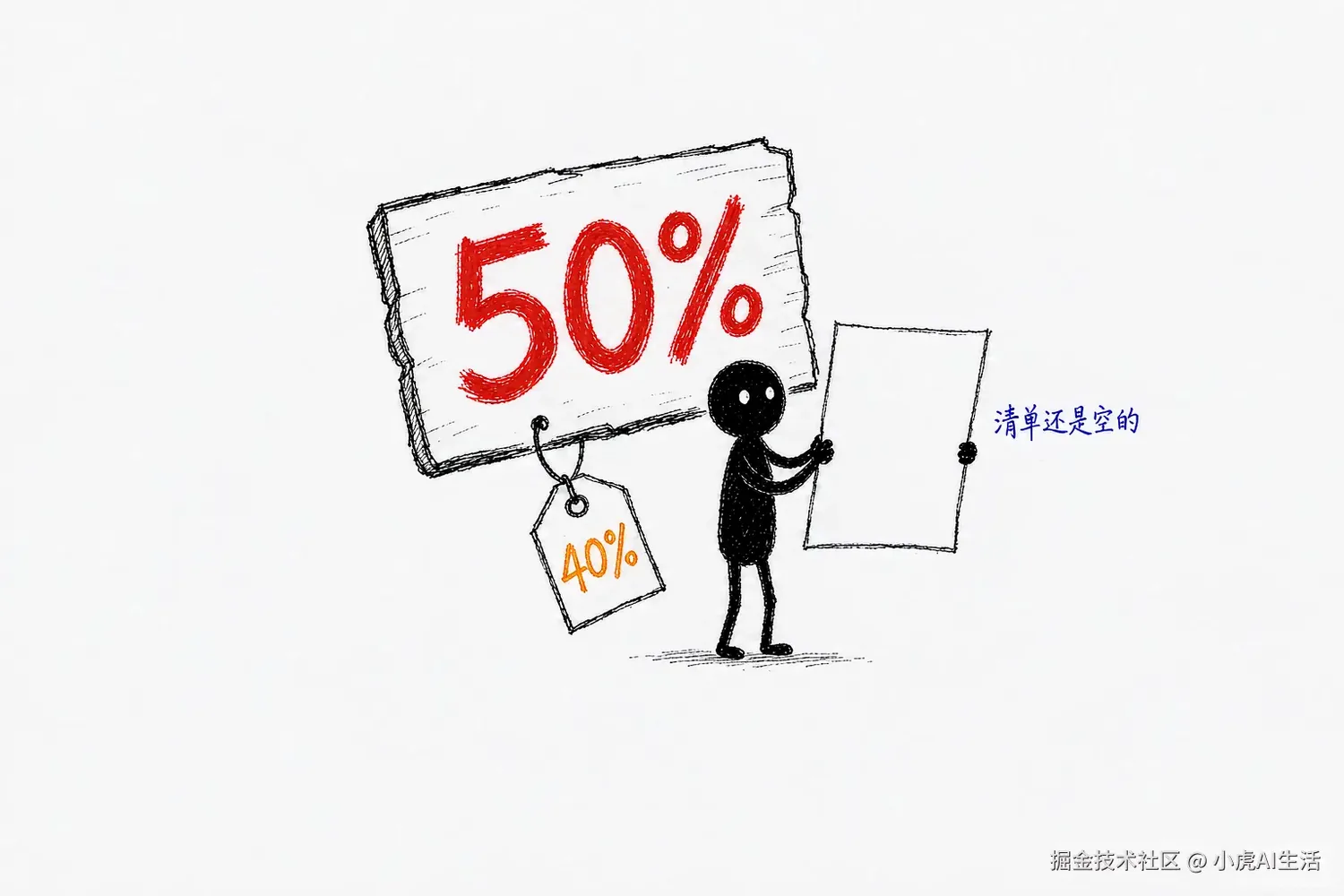
The simultaneous launch reveals a meaningful industry shift: models are becoming both cheaper and faster. Official disclosures confirm GPT-6 Sol/Luna API calls cost half the previous promotional rate, while Claude Opus 5.5 delivers 40% lower costs and 30%+ faster inference for equivalent tasks.
| Model | New Version | Price Change | Speed Change | Pricing Type |
|---|---|---|---|---|
| GPT series | GPT-6 Sol/Luna | 50% of GPT-5.6 promo | Not specified | Permanent |
| Claude series | Opus 5.5 | 60% of Opus 5 | Over 30% faster | Not time-limited |
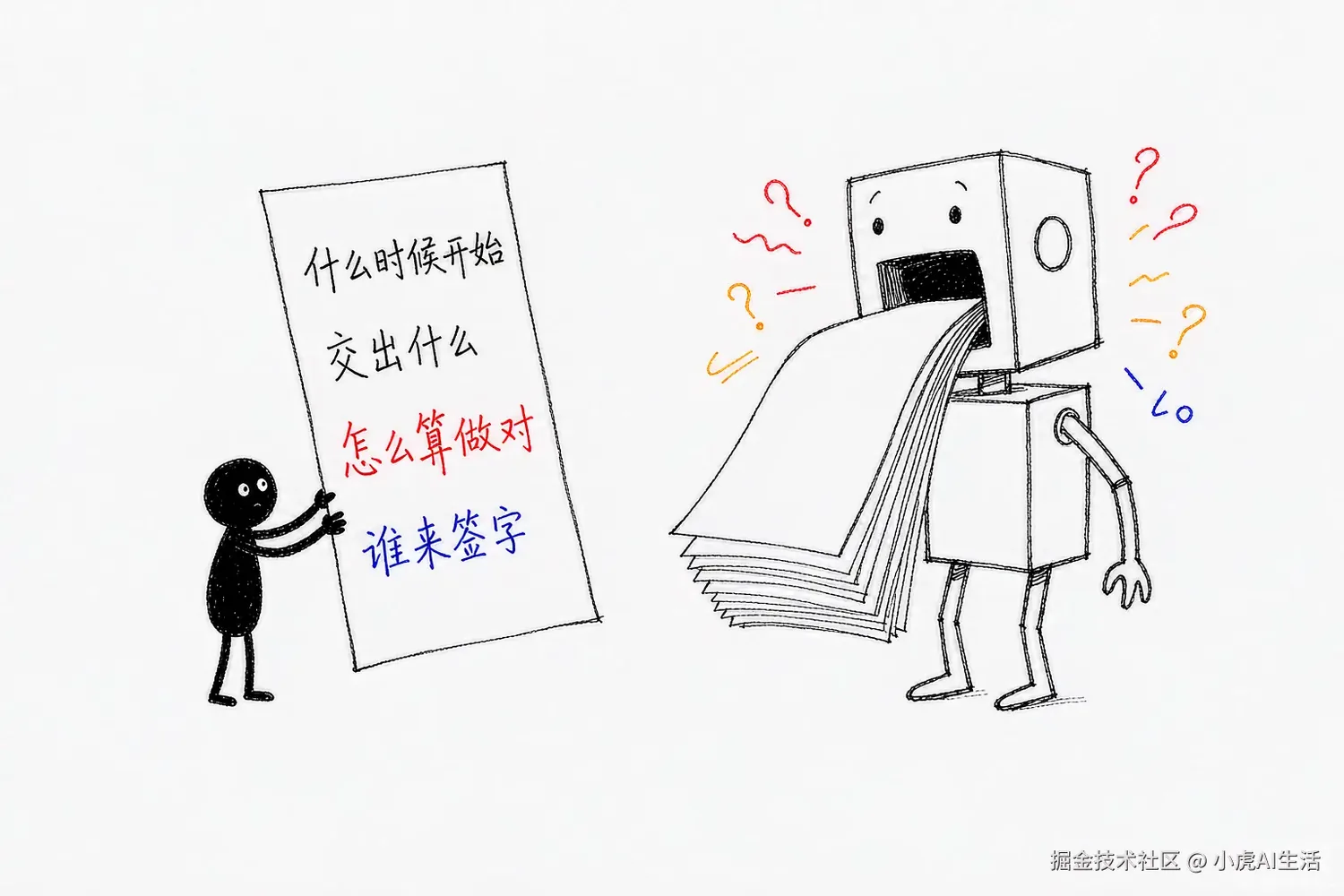
A counterintuitive contradiction stands out: advertising “cheaper” as the core selling point signals precisely that user adoption has lagged behind capability. When price cuts become the primary persuasion tactic, it often means the real barrier has shifted—not affordability, but clear communication of requirements.
A Practical Pipeline for Individuals: From AI Usage to AI Delivery
The article presents a replicable workflow, tested in real work:
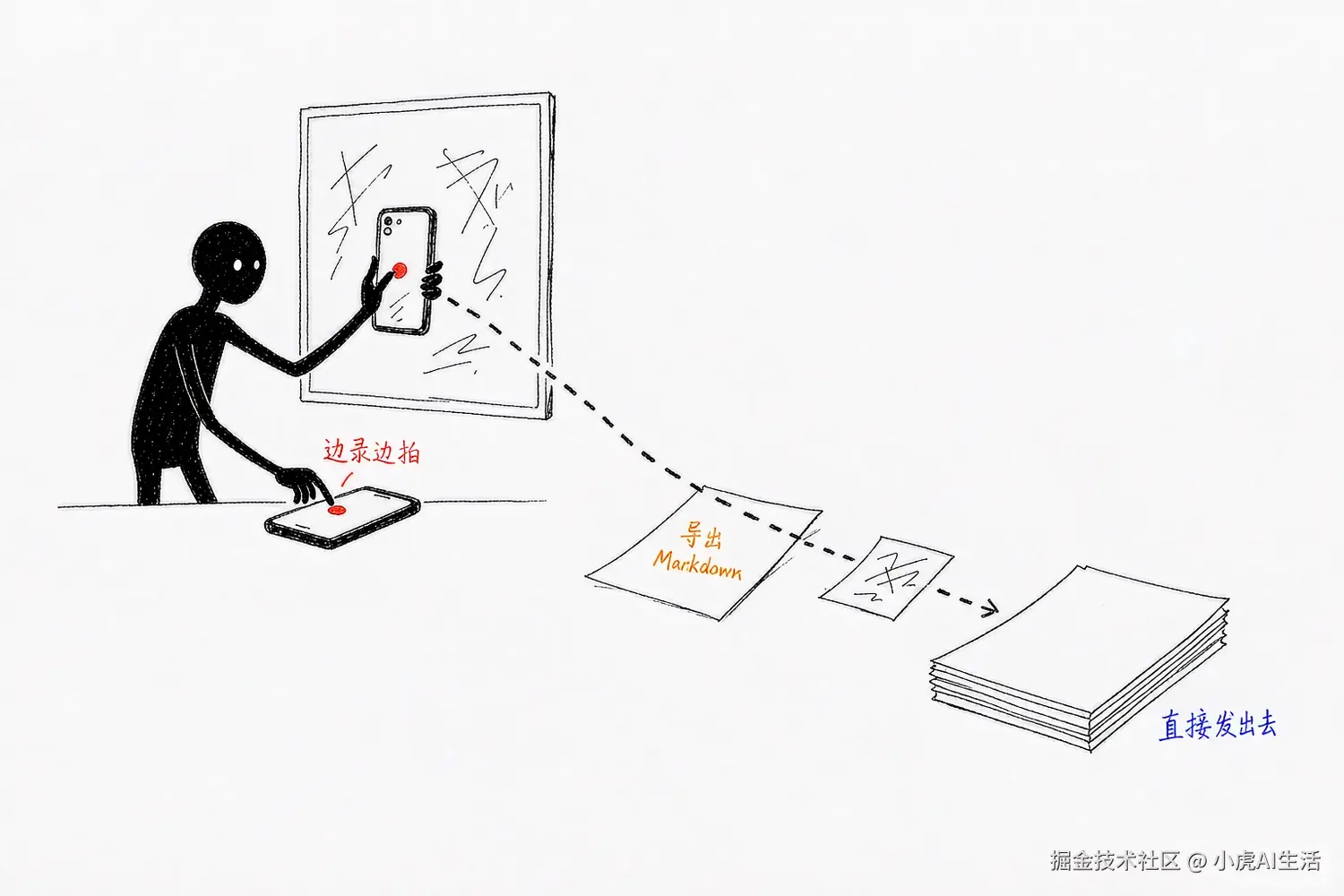
- Input: Use Tencent Yuanbao App (v2.85.0+) for simultaneous recording and photo capture (the “record-and-shoot” feature launched September 17, 2026); this captures both spoken content and visual materials like whiteboard diagrams;
- Processing: Export transcripts as Markdown format (to avoid rich-text artifacts), then submit via WorkBuddy (web登记workbuddy.cn);
- Prompt template: Strictly define role (e.g., “meeting summary specialist”), background, and four required output sections (confirmed conclusions with speaker attribution, pending items, action plan with owners and dates, executive summary);
- Validation: Three stopping rules—names and deadlines complete? No hallucinated content? Readable on first pass? If yes, approve.
Crucially, the AI produces usable output in 3–5 minutes, while human effort is limited to just three physical actions: press record, snap two photos, send the prompt. The author stresses that model strength correlates poorly with delivery success—what matters is clearly articulated expectations.
Who Should Act Now? Who Should Wait?
Ready to try:
- Individuals or small teams handling weekly repetitive tasks (weekly reports, customer feedback aggregation, meeting notes);
- Practitioners with defined deliverables who spend excessive time on execution, not idea-generation.
Better to wait:
- Scenarios requiring real-time emotional intelligence or final accountability (e.g., client negotiations, contract signing);
- Users who cannot yet specify input-output standards, as rushing leads to rework—implementation fatigue typically peaks during the first two weeks while task lists are finalized.
Final Note
As AI costs plummet, personal productivity hinges on one question: can you translate work into machine-readable requirements? When capabilities converge, competitive advantage shifts from哪家 model to how thoroughly individuals decompose their workflow into unambiguous instructions. This price-drop moment is less about cheaper compute, and more about the rising value of precision in prompt engineering and task definition.