
Core Event and Key Timeline
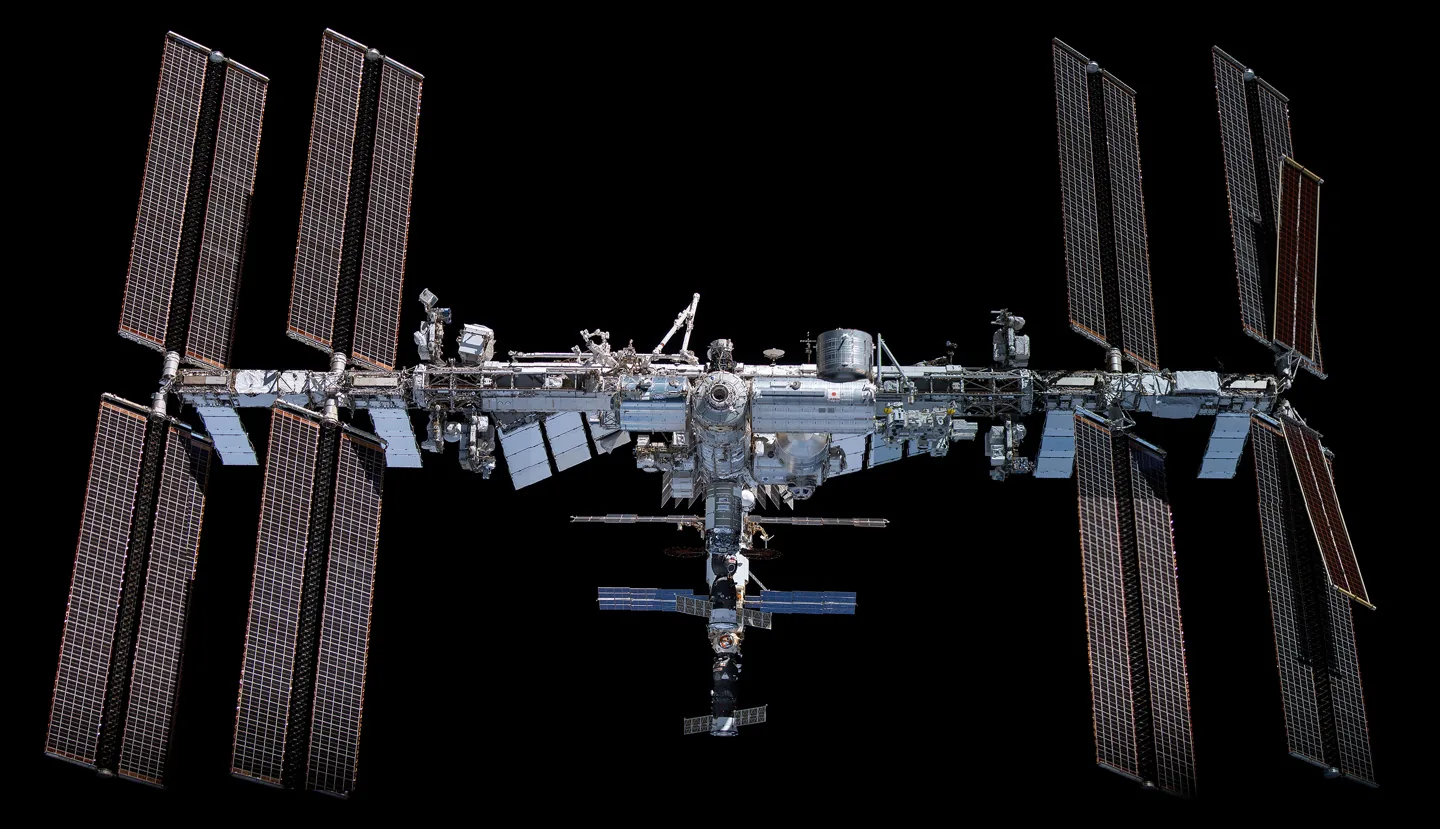
Japan plans to host the first AI robot competition on the International Space Station (ISS) by 2027, currently in preliminary stages. Organized by the newly formed Space AI Robotics Association (SAIRA), the event aims to cultivate the next generation of aerospace engineers through hands-on challenges.
- Organizer: Space AI Robotics Association (SAIRA), founded in July 2024
- Timeline: Earliest execution in 2027
- Platform: Int-Ball2, a spherical robot drone inside Japan’s “Kibo” (Hope) Experiment Module
- Eligibility: Teams from universities, companies, and research institutions
- Selection Process: Ground-based simulation preliminaries → ISS-based finals
As a non-commercial, education-focused initiative, the competition requires all AI models to be self-developed by参赛 teams, with no pre-trained solutions provided.
Competition Mechanics and Technical Details
The competition follows a two-phase approach—ground preliminaries followed by in-orbit finals—to ensure AI reliability and generalization. Phase one occurs in ground facilities simulating ISS environments, assessing perception, decision-making, and path-planning capabilities. Winning teams will then control Int-Ball2 to complete assigned tasks in space.
Int-Ball2, developed by JAXA, is a spherical robot deployed inside the Kibo module for cabin inspection and data collection assistance. SAIRA specifies participants must develop physical AI models—intelligent systems integrating physics simulation with real-time decision-making, not solely data-driven AI.
Two distinctive features set this competition apart: mission authenticity and development autonomy:
- Tasks mirror actual space operations requirements
- AI control logic is written entirely by participants; JAXA provides only interfaces and safety review
- Ground test data directly impacts in-orbit performance, challenging model transferability
Market Context and Industry Implications
Global Information forecasts rapid expansion in the space robotics sector: the market is projected to reach $1.24 billion by 2035 (approximately ¥83.2 billion RMB at current exchange rates), doubling the 2026 size.
A counterintuitive data point: achieving this doubling in just nine years requires sustained ~8% annual growth, a pace demanding breakthroughs in standardization and commercial deployment models—especially given the long development cycles and high launch costs typical of space infrastructure.
SAIRA’s membership—spanning academia, industry, and research bodies—reflects this trend. This “academia-industry-research” synergy aligns with industry expectations, with collaborative ecosystems viewed as critical to advancing space AI deployment.
Reader Recommendations
- Ideal participants: University research teams with expertise in robot control, computer vision, or reinforcement learning, particularly those experienced in physics-simulated training.
- Monitor instead: Startups lacking space-grade system integration experience should first build capabilities through ground simulation contests or await SAIRA’s expected 2025 technical white paper.
- Industry observers: Successful 2027 execution could establish a technical validation template for commercial in-orbit maintenance and auxiliary operations, warranting continued tracking.
Final Thoughts
This competition marks a new milestone in applied AI for extreme environments, with its true value lying not just in the technology, but in establishing a reusable “ground validation-in-orbit testing” development loop. If successful, this model may become the standard collaboration framework for future deep-space missions.