
Core Development: Meta Surges Amid Model Release Week
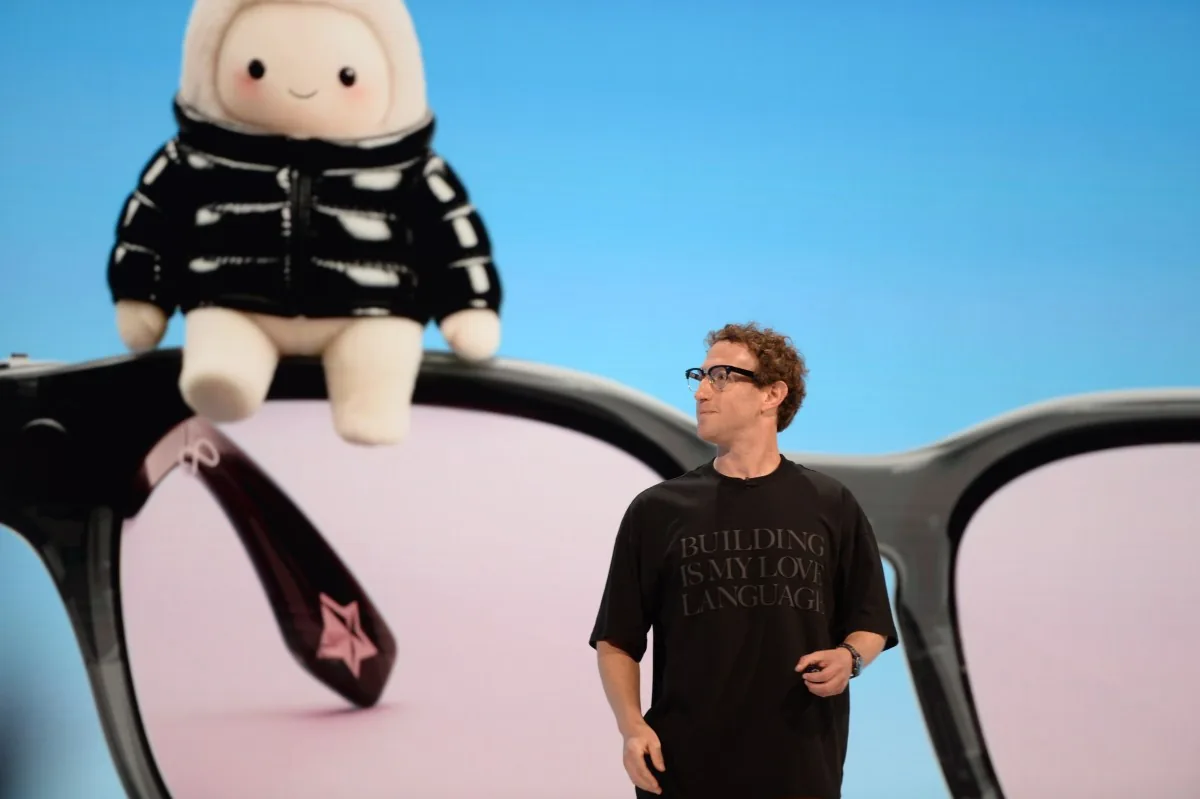
September 2026 marked a “model drop week” in AI: Anthropic launched Opus 5.5, followed 90 minutes later by OpenAI’s GPT-6 updates. Yet attention shifted to Meta—whose personal AI agent Muse is reportedly outpacing ChatGPT’s early performance metrics and will expand into smart glasses and a compact Tamagotchi-style device.
Key facts:
- Release timing: Late September 2026 (Opus 5.5 first, GPT-6 90 minutes later)
- New versions: Anthropic Opus 5.5, OpenAI GPT-6 series
- Meta Muse: No version number disclosed; reported to exceed “early GPT numbers”
- Hardware plans: Smart glasses, Tamagotchi-size device
- Weight openness: Not mentioned in original material
Muse’s Performance and Meta’s Consumer AI Playbook
TechCrunch’s Equity podcast highlights that Muse’s emergence coincided with industry introspection about the “pacing the frontier” strategy adopted by OpenAI and Anthropic leaders—questioning what pace actually means. Meta chose hardware-first distribution over pure model competition, turning AI into an interactive “digital pet.”
A crucial counterpoint: Though GPT-6 and Opus 5.5 represent current SOTA benchmarks, Muse has reportedly surpassed early ChatGPT user performance metrics. This suggests new models don’t immediately translate to better daily experiences; instead, Muse gains advantage through lightweight deployment and continuous interaction optimization in real-world usage.
Meta’s strategy hinges on a fundamental shift: As model competition matures, depth of human-AI relationship matters more than raw inference capability. Tamagotchi devices prioritize stability and low-latency 24/7 interaction over peak compute—contextual demands that assessing model efficiency incline.
Model Update Comparison (Limited Disclosure Data)
| Dimension | Anthropic Opus 5.5 | OpenAI GPT-6 | Notes |
|---|---|---|---|
| Release timing | Late September 2026 (earlier) | Late September 2026 (90 minutes later) | Same release week |
| 跟进 product | Muse (Meta) | - | Muse reportedly outpaces early GPT data |
| Core strategy | Progressive reasoning refinement | Comprehensive performance upgrades | Specific parameters undisclosed |
Note: Because original material lacks performance metrics, parameter counts, pricing, or availability dates, the table only organizes confirmed timing sequence and one comparative point (Muse’s relative edge over early GPT).
##落地 recommendations: Choose By Use Case
- Early adopters should try now: Content creators needing immediate dialogue efficiency can explore Opus 5.5’s enhanced reasoning; users prioritizing natural conversation flow may prefer GPT-6 updates.
- Want to wait: Hardware-focused users should await Meta’s smart glasses and Tamagotchi device launch. Muse remains unavailable for public testing; chasing model specs alone may miss the hardware integration timeline.
Write at the end
As top-tier firms shift from “racing speed” to “penetration depth”, consumer AI’s battleground moves off benchmark leaderboards. Meta’s Tamagotchi metaphor underscores emerging orthodoxy: letting AI integrate into life rhythm like raising a pet holds more long-term value than training it to ace exams. The endpoint of model iterations may be an AI quietly residing in your pocket.