
Core News: Meta Unveils Muse Charm, First Standalone AI Hardware
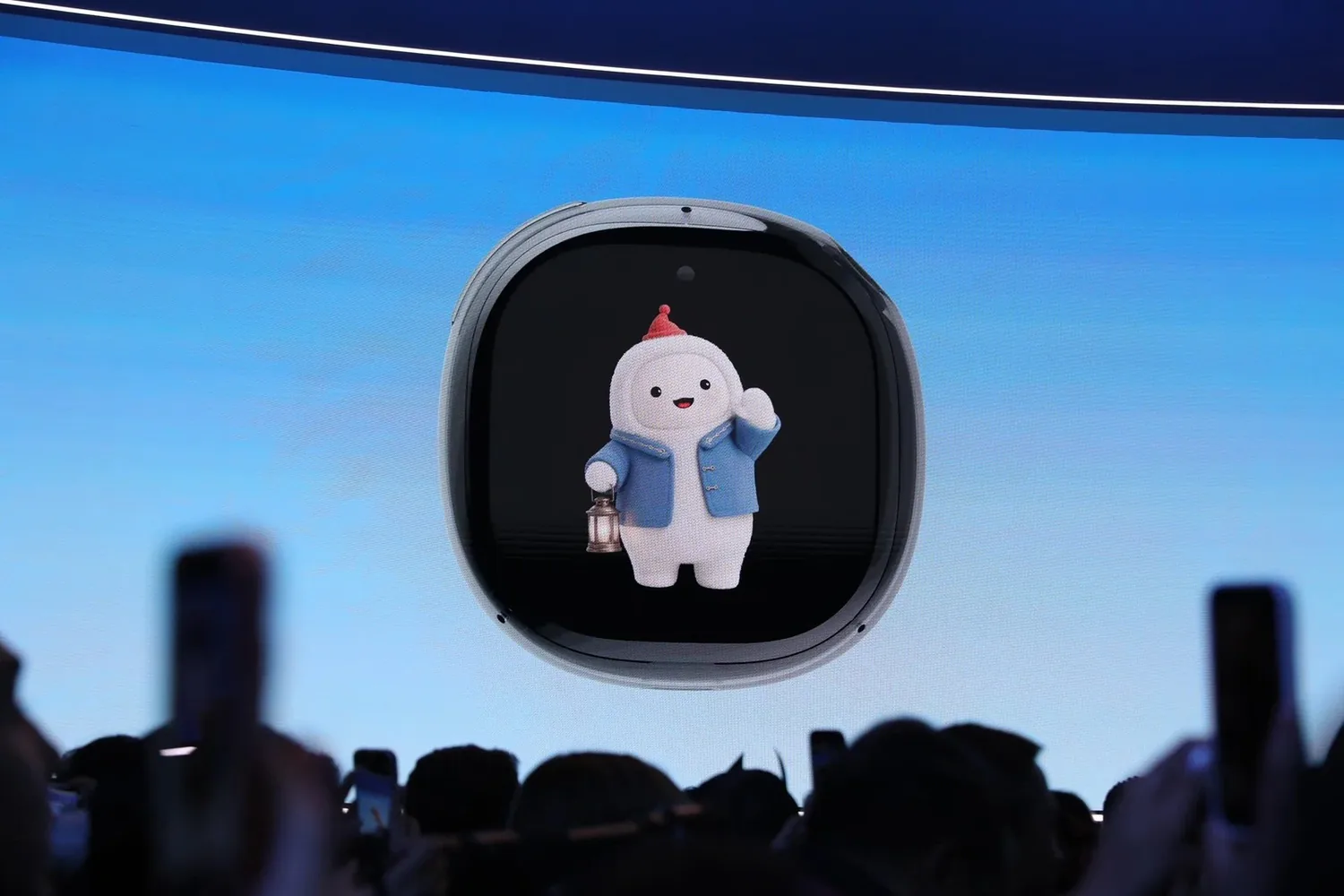
- Launch Timeline: Holiday 2026 (before December)
- Availability: Pre-production; only a few units built so far
- Key Feature: Standalone operation—no smartphone required
- Activation: Fingerprint sensor on top-right corner triggers voice interaction
- Connectivity: No details provided on how device connects to Meta servers
- Design: Strapless chunky smartwatch shape, with lanyard loop, translucent outer shell
Device Specifications and Industrial Design Details
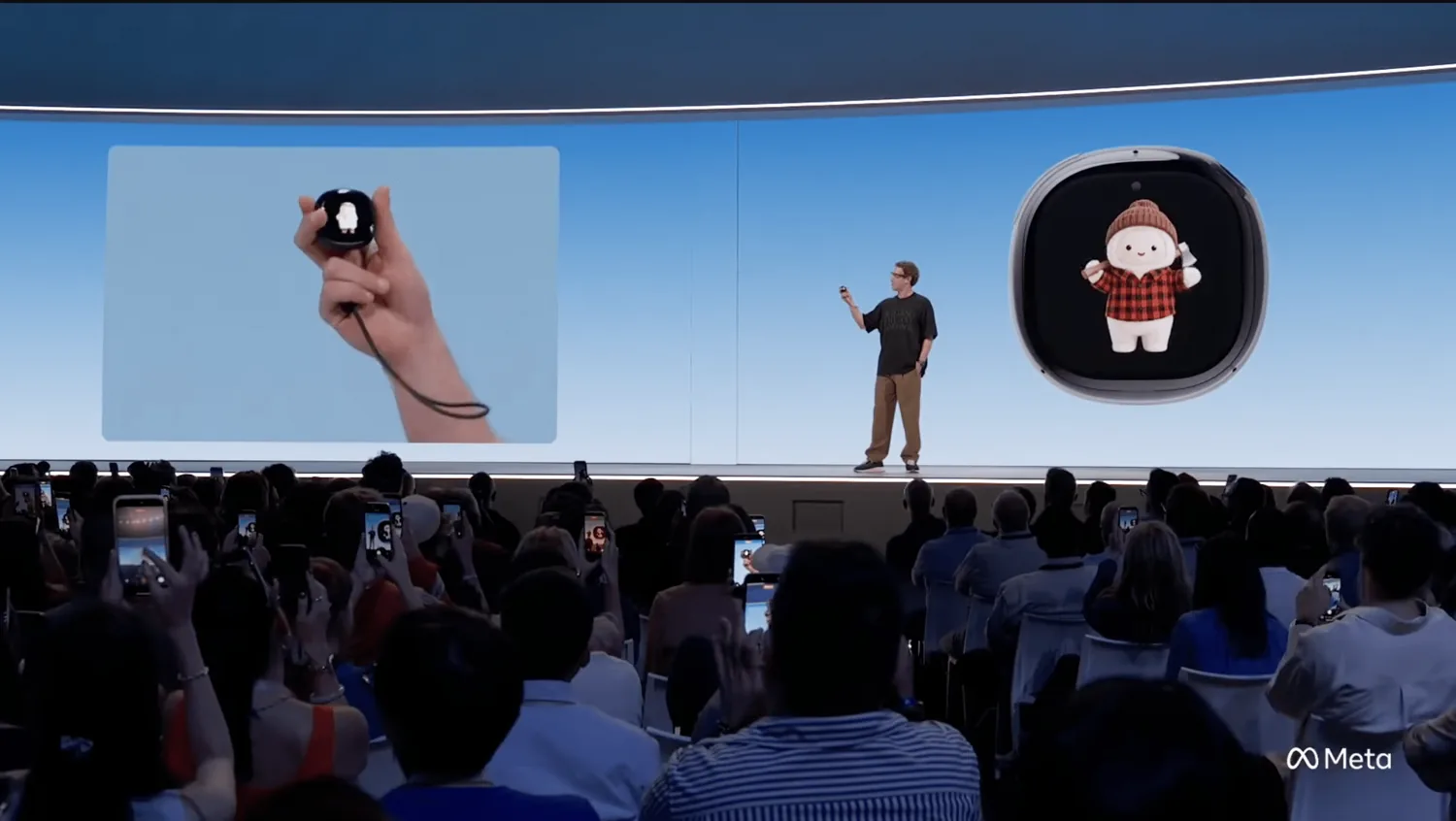
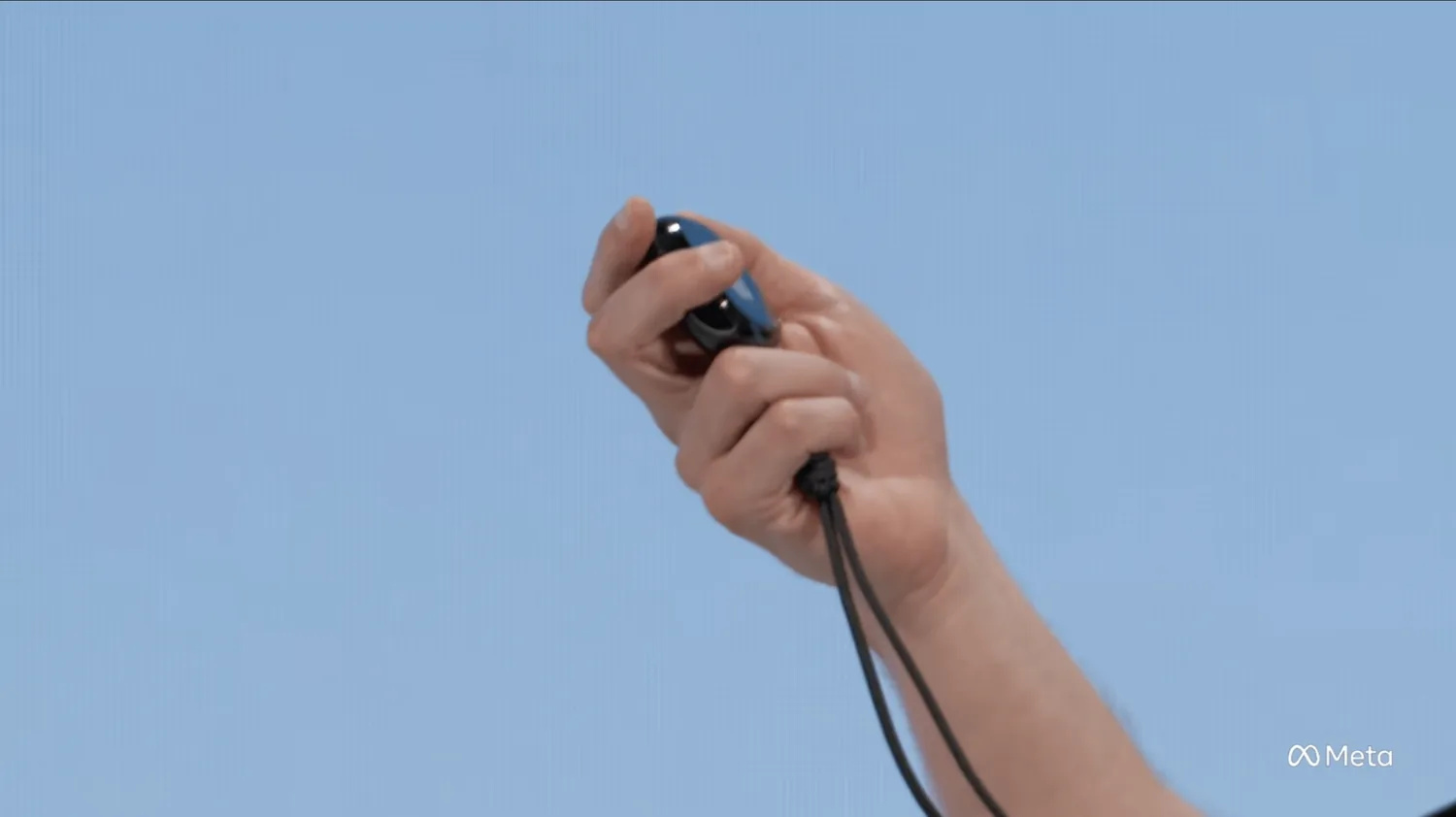
Muse Charm marks Meta’s first dedicated hardware for its Muse AI agent, unveiled briefly by CEO Mark Zuckerberg at the conclusion of Meta Connect 2026’s evening keynote. Visuals suggest a thickened smartwatch body sans strap, relying instead on an attached lanyard for portability.
Front-facing elements include at least three microphone openings, a likely small camera module, and a fingerprint sensor on the top-right. Zuckerberg emphasized the device can be used without unlocking a phone or launching an app—marking a departure from prevailing AI accessory paradigms. However, he provided no technical explanation for how the Charm communicates with Meta’s infrastructure.
Design language centers on a semi-transparent exterior that reveals internal components, styled as an “elevated hacker aesthetic.” Zuckerberg noted final decisions on exterior materials remain pending, and the product is still in prototype phase.
Muse Agent Progress and Why Hardware Matters Now
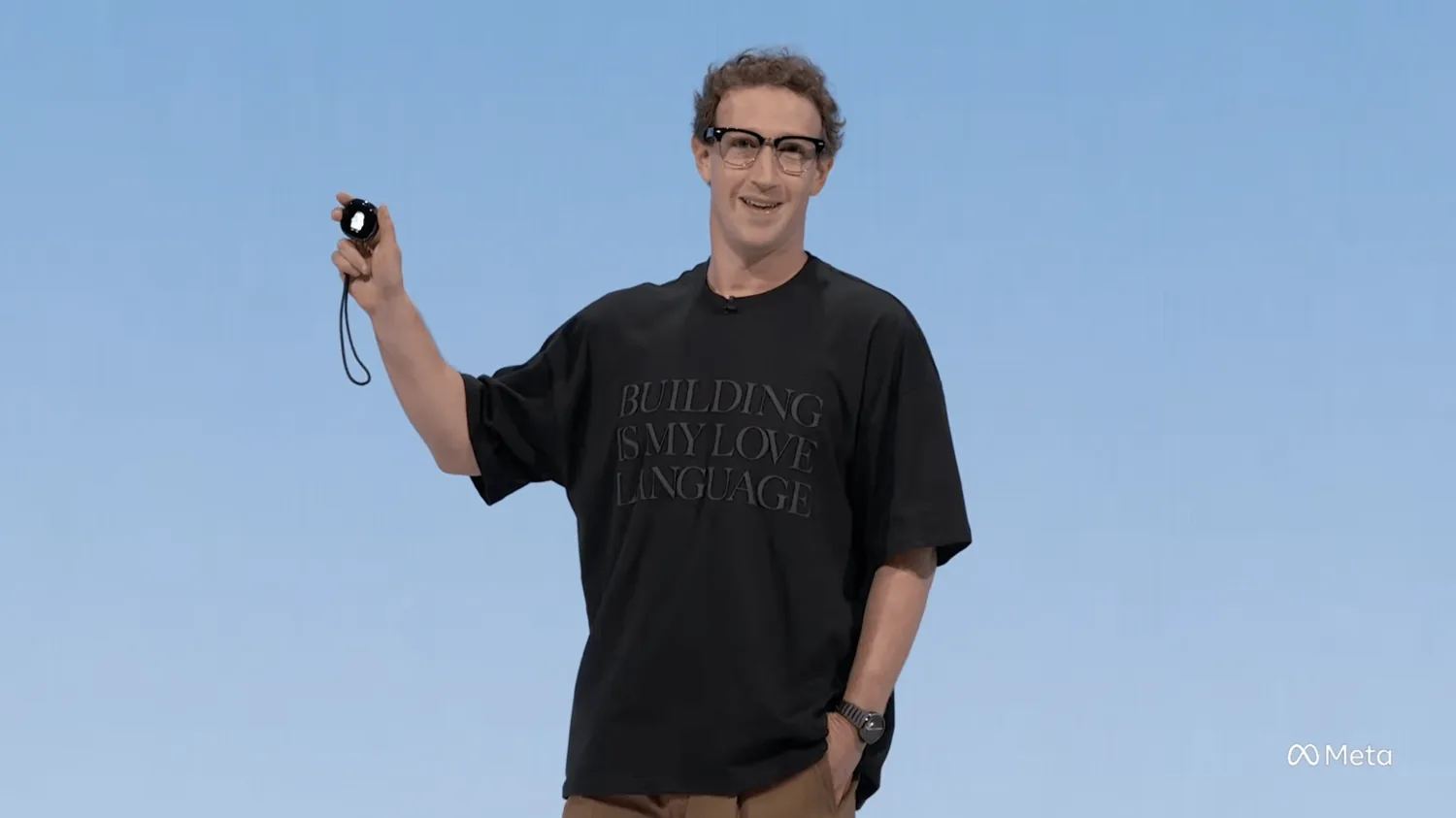
Launched less than a month ago, Muse has rapidly emerged as a standout product for Meta. Zuckerberg highlighted new Agent capabilities, including:
- Computer use on macOS (performing on-screen actions)
- Email address management (incoming message handling and action automation)
An important contrast: while Rabbit R1 pioneered the similar form factor for AI, its limited capabilities rendered it impractical for daily use. By moving from software-only Agent to physical hardware in rapid succession, Meta signals confidence in Muse’s functional utility.
Though still a nascent AI hardware category, competition is intensifying among Google, Apple, Samsung, and others. Meta’s choice to highlight Charm at Connect underscores its urgency to secure leadership in the next-generation AI-computing interface battle.
Reader Guidance: Who Should Pay Attention?
- Early adopters: Users actively using Muse Agent who prefer hands-free, phone-independent interaction;
- Latent buyers: Those prioritizing battery life or network reliability—key details remain undisclosed—and average consumers who value mature software polish over experimental form.
Final Thoughts
Meta’s shift from pure software to physical deployment of Muse marks an industry-wide pivot from model size competition to real-world, device-level validation. If Muse Charm delivers on its no-phone pledge, it could establish a new archetype for consumer AI interaction.