
Muse AI Agent Launches with Cross-App Task Execution Capability
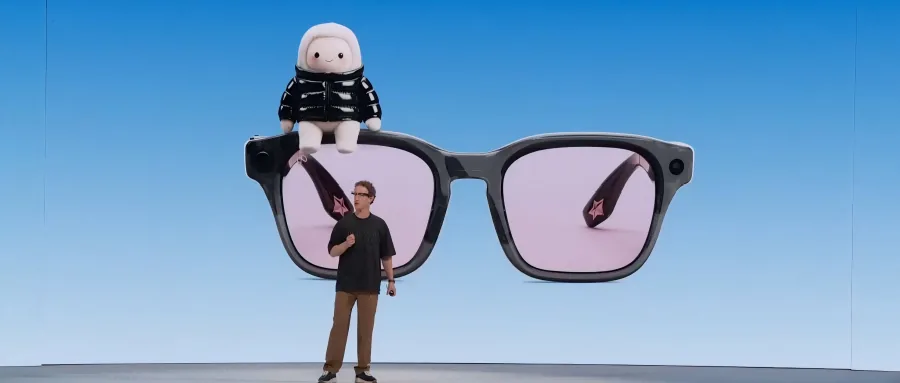
At Meta Connect 2026 on September 24, Meta unveiled the complete Muse ecosystem: the Muse personal AI agent (built on Muse Spark), Ray-Ban Meta Audio AI glasses (camera-less), third-generation Ray-Ban Meta glasses (with camera), Meta VR Glasses, and the Muse Charm wearable keychain device.
Key product details:
- Muse: personal agent built on Muse Spark model, capable of cross-app task execution (files, calendar, shopping)
- Ray-Ban Meta Audio: starting at $349 (~¥2,344), available October 13
- Third-Gen Ray-Ban Meta: starting at $449 (~¥3,015), available September 24
- Meta VR Glasses: starting at $1,299 (~¥8,723), launching spring 2027
- Muse Charm: anticipated holiday season 2026 (~December), price undisclosed
Hardware Ecosystem: From Lightweight to Immersive Experiences
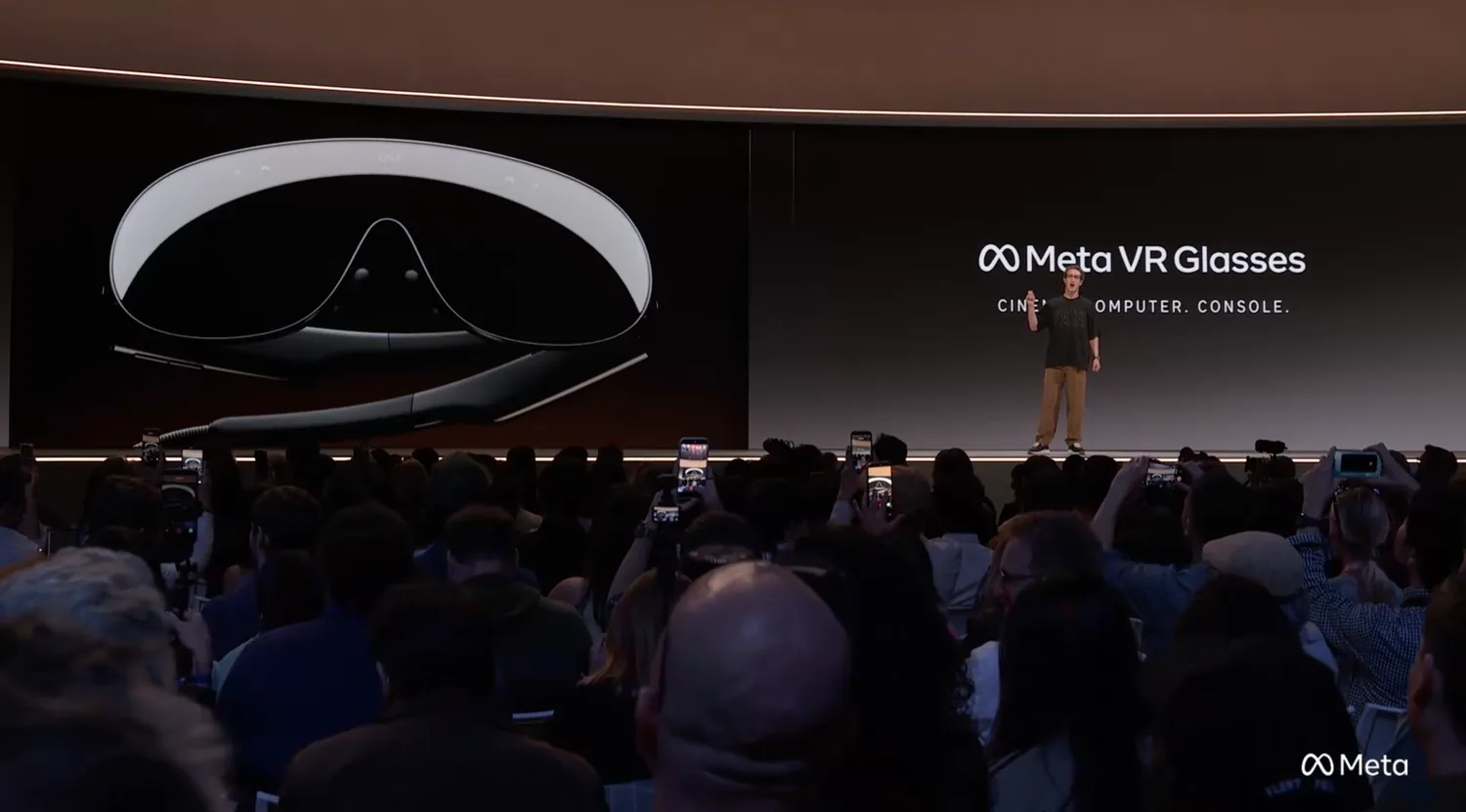
The most surprising specification: VR glasses weigh only ~100g—less than one-fifth of Quest 3, significantly lighter than most VR headsets in the market. This device uses a split architecture (currently cable-connected with DisplayPort over USB-C support) and focuses on three use cases: Cinema (private movie viewing), Computer (multi-screen productivity), and Console (gaming and spatial interaction). Users control via eye tracking, gesture, and voice; Muse is pre-integrated, enabling direct verbal commands.
The VR experience supports holographic calls with near-physical avatars. Its spatial comprehension allows Muse to guide users in complex tasks like mahjong—observing surface patterns and physical spatial relationships to give real-time decisions.
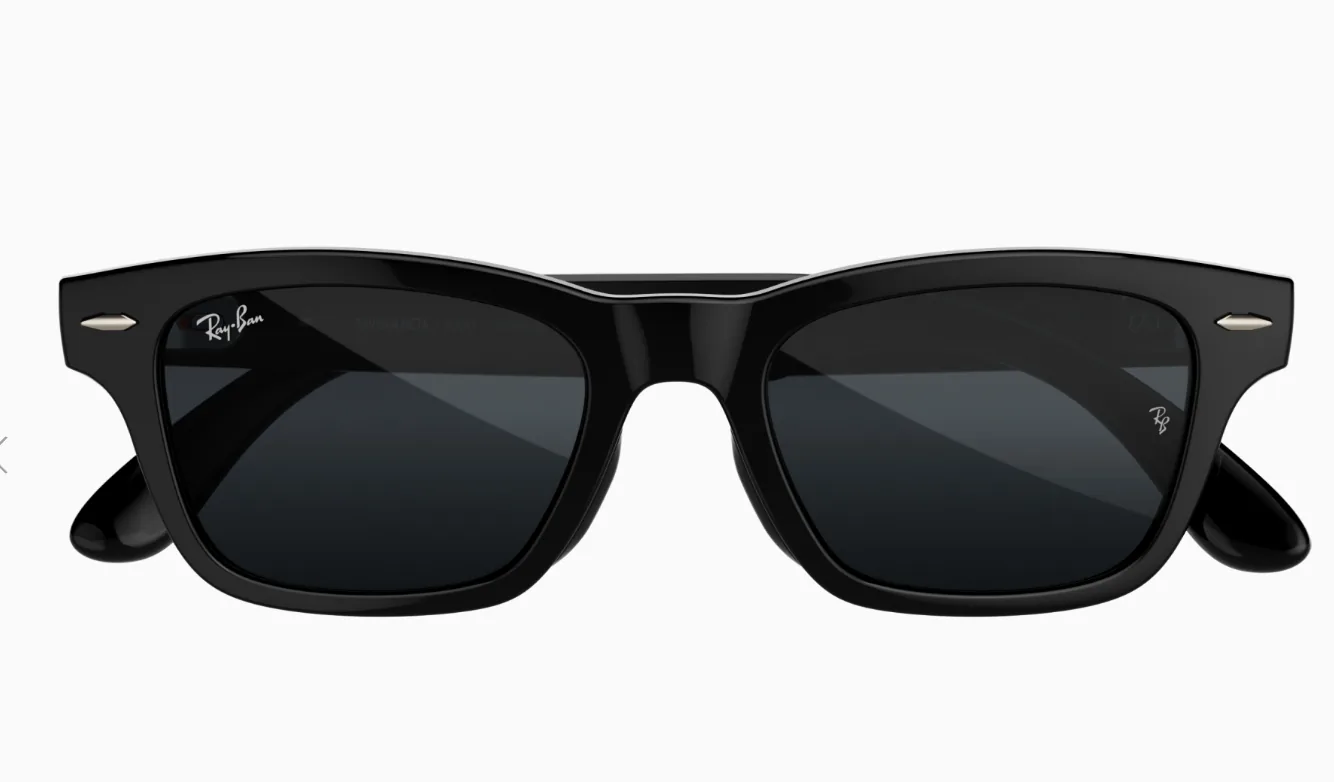
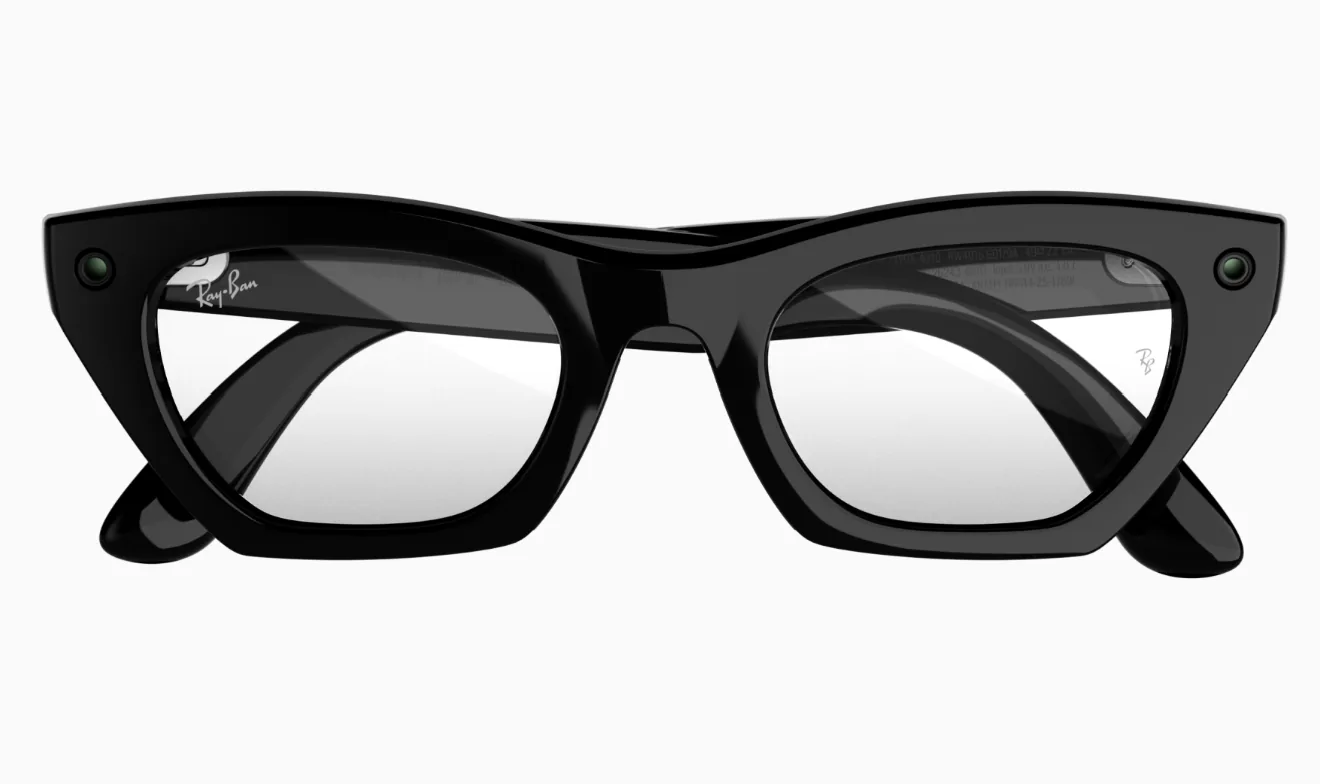
For AI glasses: Ray-Ban Meta Audio marks Meta’s first camera-less model, enabling thinner/lighter industrial design with full-day battery life. It offers 23 lens and color combinations plus two new frame styles (Clubmaster and Burbank); six microphones ensure voice capture in noisy environments, supporting Dolby Atmos recording. Meta plans to integrate Muse into future glasses updates.
Third-Gen Ray-Ban Meta retains a 12MP camera with 3K video support and up to 9-hour battery life, adding Aviator and Zena frame options. Meta also introduced the budget-friendly Meta Adventurer ($249 with charging case).
Muse Hardware Comparison Table
| Product | Price | Key Features | Availability |
|---|---|---|---|
| Ray-Ban Meta Audio | $349 (~¥2,344) | No camera, full-day battery, music/call/voice focus | October 13 |
| Third-Gen Ray-Ban Meta | $449 (~¥3,015) | 12MP camera, 3K video, 9hr battery | September 24 |
| Meta VR Glasses | $1,299 (~¥8,723) | ~100g weight, cinema/multi-display/spatial guidance | Spring 2027 |
| Muse Charm | Not disclosed | Standalone hardware入口, fingerprint sensor, no phone unlock needed | Late 2026 |
Muse Secure VM is a dedicated computing environment provided by Meta for each Muse, serving as a secure workspace for the agent’s operations. Meta also plans to introduce Muse Confidential VM to further limit Meta’s own access to user data.
User Recommendations
AI glasses suit daily users prioritizing audio and voice assistance—Meta Audio’s price point and October launch make it immediately accessible. Those needing video capture should wait for third-gen Ray-Ban Meta (September 24 release).
VR glasses promise breakthrough portability, but spring 2027 availability and pending content partnerships suggest enthusiasts wait for real-world adoption. Muse Charm remains in early prototyping stage with uncertain final specs—not recommended for early adopters expecting imminent availability.
In Conclusion
Meta is transforming Muse from a chat-window assistant into a persistent, hardware-anchored personal intelligence. As control shifts from smartphones to wearables embedded in eyewear and accessories, competitive advantage will hinge on ambient context understanding—not raw processing power alone.