MINIX Launches N304-AI Mini PC: Wildcat Lake Platform With Dual M.2 SSD Slots
MINIX officially launched the N304-AI mini PC based on Intel’s “Wildcat Lake” Core 3 processor 304 on September 28, 2026. The device features onboard non-removable 16GB LPDDR5X-6400 memory, a pre-installed 512GB PCIe Gen3 SSD, and ships with Windows 11 Pro. The official MSRP stands at $715 (approximately ¥4,804 at current exchange rates).
- Release Date: September 28, 2026
- Processor: Intel Core 3 processor 304 (Wildcat Lake architecture)
- Memory: Onboard 16GB LPDDR5X-6400 (non-upgradable)
- Storage: 2 × PCIe Gen4 ×1 M.2 2280 SSD slots; 512GB PCIe Gen3 SSD preinstalled
- Networking: 2 × 1GbE RJ-45 ports + Wi-Fi 6 + Bluetooth 5.3
- Video Outputs: 3-display support (HDMI 2.1 + DisplayPort 1.4 + 1 unconfirmed interface)
- Dimensions: 127 × 126.8 × 46 mm
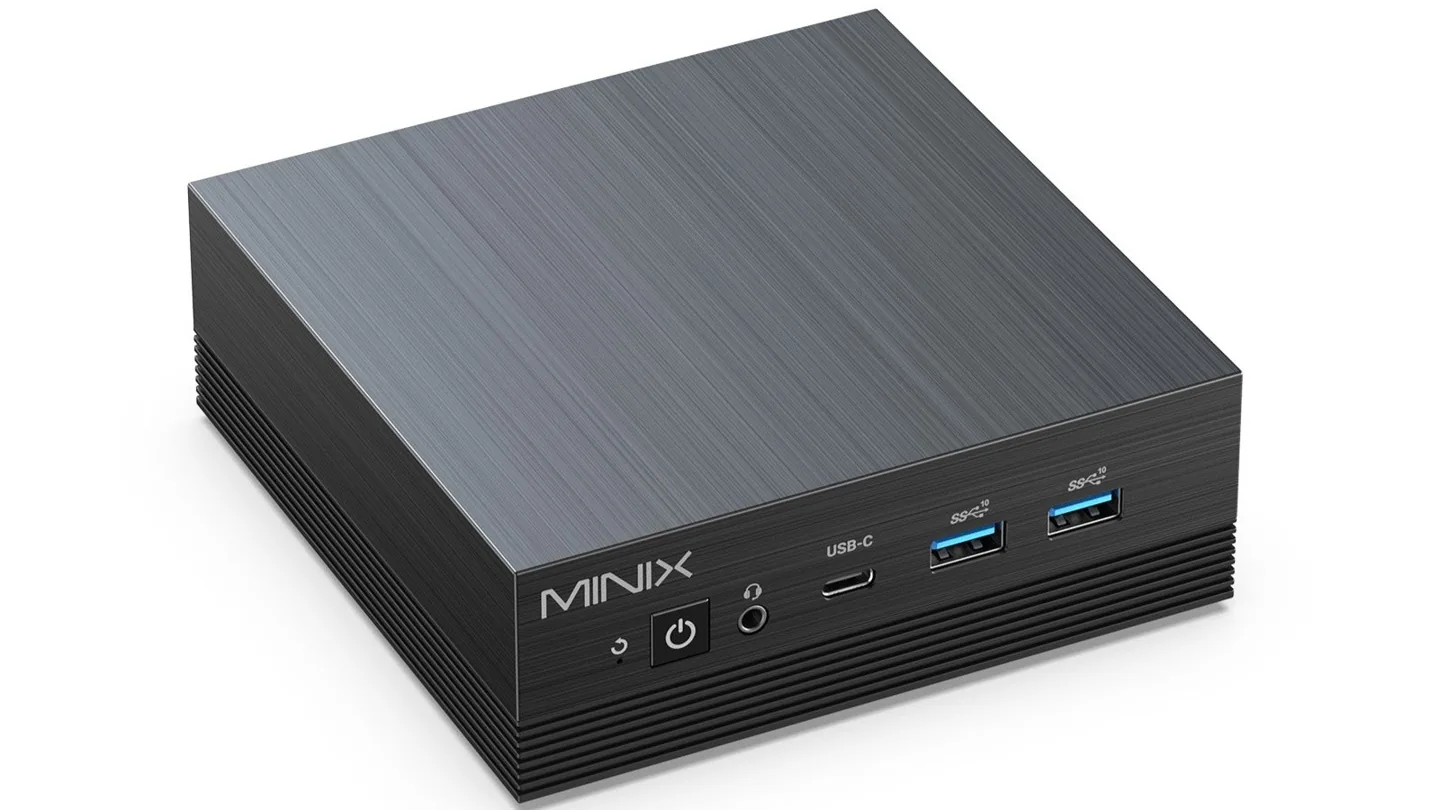
- Design: Full-area brushed finish; front panel includes USB-C 10Gbps + 2×USB-A 10Gbps
##Unexpected Storage Capacity in an Entry-Level Platform
Wildcat Lake is Intel’s new architecture targeting the entry-level segment. The Core 3 processor 304 sits in the mid-tier of this lineup. Despite the entry-level positioning, the N304-AI delivers storage and expansion capabilities unusual for this class:
- Dual M.2 Gen4 slots stand out: Most Wildcat Lake devices rely on entry-level chipsets and typically provide only a single M.2 SSD bay; N304-AI’s 2 × PCIe Gen4 ×1 slots significantly expand storage flexibility
- Dual Gigabit Ethernet ports are rare: Dual 1GbE interfaces usually appear in professional or security-specialized devices, making their inclusion in a consumer mini PC noteworthy
- Memory is not user-serviceable: Onboard LPDDR5X ensures low power consumption and compact chassis but eliminates future memory upgrades
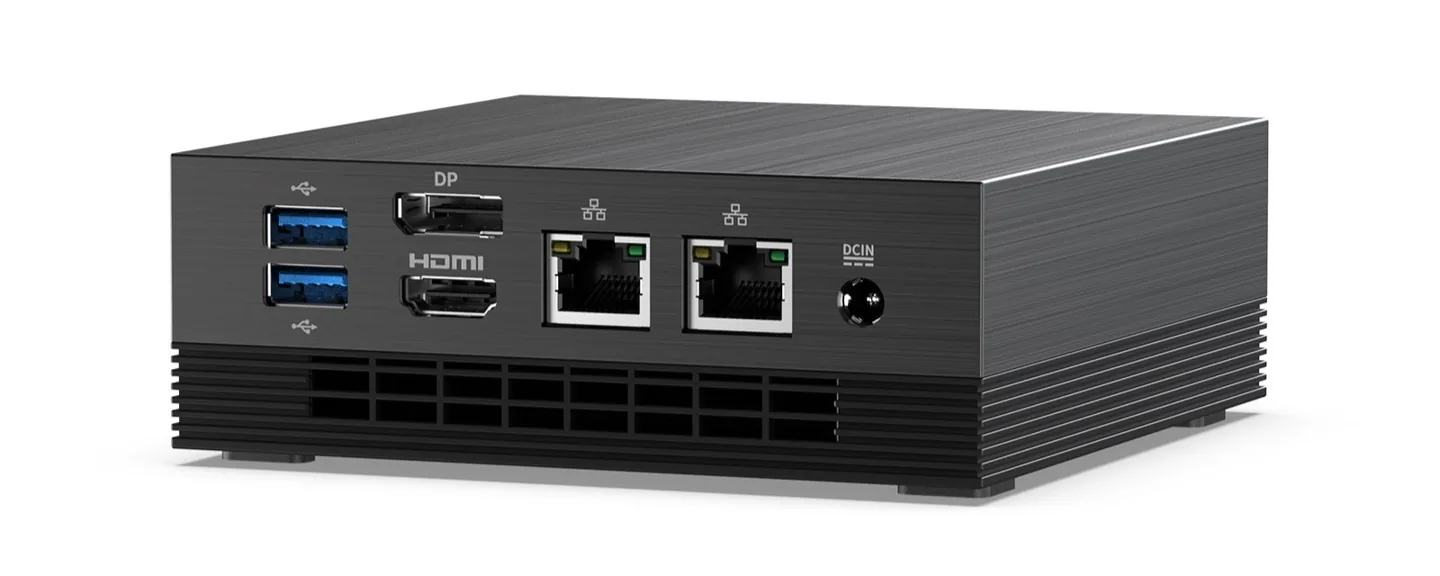
The front panel houses a 3.5mm combo audio jack, one full-featured USB-C port (10Gbps), and two USB-A ports (10Gbps). The rear panel includes two USB-A ports (480Mbps), one DisplayPort 1.4, one HDMI 2.1 (TMDS mode), and the twin RJ-45 ethernet jacks.
##Feature Comparison
| Feature | N304-AI Specification | Typical Entry-Level Configuration |
|---|---|---|
| M.2 SSD Slots | 2 × PCIe Gen4 ×1 | 1 × PCIe Gen3 or Gen4 |
| Preinstalled SSD | 512GB PCIe Gen3 | 256GB–512GB PCIe Gen3 |
| Wired Ports | 2 × 1GbE | 1 × 1GbE |
| Memory Type | Onboard LPDDR5X-6400 | Onboard LPDDR5/LPDDR5X (usually non-removable) |
| Wireless | Wi-Fi 6 + Bluetooth 5.3 | Wi-Fi 5/6 + Bluetooth 5.2/5.3 |
##Who Should Buy, Who Should Wait
Ideal for:
- Light server or edge computing tasks: Dual M.2 slots enable RAID1 redundancy, while twin Ethernet ports facilitate network segmentation (e.g., isolated internal and external networks);
- Basic productivity workloads: Windows 11 Pro + 16GB RAM handles multitasking office apps, document editing, and video playback comfortably;
- Space-constrained deployments: At just 4.6cm tall, the compact chassis suits mounting behind displays, on desks, or beneath projectors.
Consider waiting if:
- You run creative software or light games: The entry-level Wildcat Lake Core 3 304 struggles with demanding applications such as demanding image processing applications or casual gaming—wait for higher-tier models if performance matters;
- You need more RAM headroom: With 16GB fixed, VM multitasking or local AI inference is constrained—opt for upcoming models with SODIMM DDR5 slots if future-proofing matters;
##Final Note
Wildcat Lake’s stated ambition is “entry-level AI PC.” By equipping this introductory platform with in‑practise pro features—from dual SSD bays to dual gigabit ports—the N304-AI positions itself as a multifunctional node for small offices or home users (think NAS + light compute), rather than a raw AI inference beast. When entry-level platforms begin offering pro-grade expandability, the mini PC category quietly evolves beyond mere footprint reduction.