
Core Breakthrough: mRNA-Encoded Adjuvant Surges T-Cell Responses
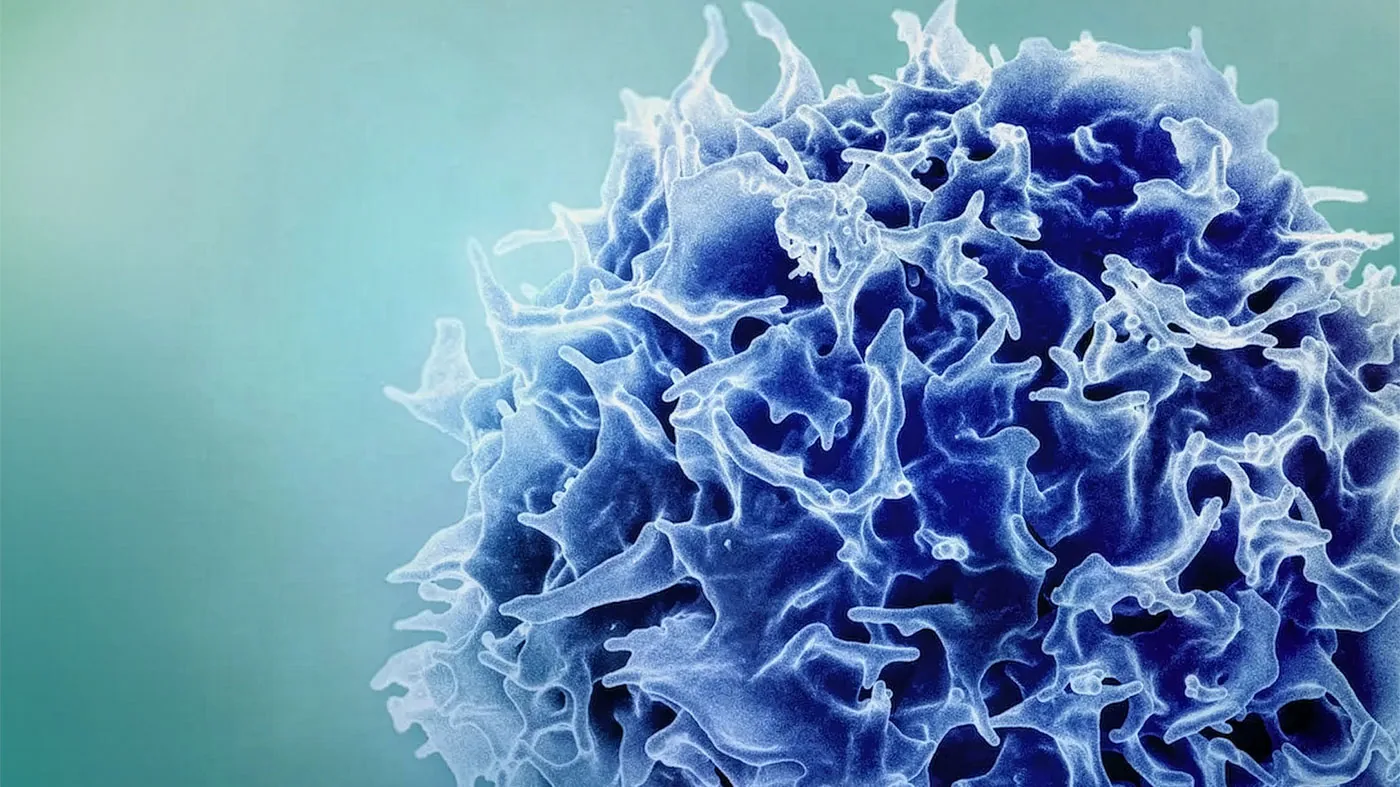
Researchers from MIT, Harvard Medical School, and the University of Houston have developed an mRNA-based adjuvant platform that significantly boosts T-cell responses for both cancer and infectious disease vaccines. The technology remains in preclinical stages—no human trials have commenced yet.
Key Hard Facts:
- Mechanism: Lipid nanoparticles deliver mRNA encoding two immune-stimulating genes to activate specific signaling pathways
- Animal Models Tested: Bladder cancer, colon carcinoma, melanoma, metastatic lung cancer, and others
- T-Cell Enhancement: 10- to 15-fold increase in T-cell response for COVID-19 and influenza vaccines
- Current Status: Preclinical (murine models); researchers plan additional animal testing before seeking clinical translation
Technical Details: Preparing the Ground for T Cells
While conventional mRNA vaccines primarily trigger antibody production, T cells play a critical role by activating antigen-presenting cells to orchestrate broader immune attacks—especially vital for eliminating infected or malignant cells. A major obstacle in solid tumors is the hostile microenvironment that suppresses T-cell function and survival.
The novel adjuvant works by enabling immune remodeling: transiently priming immune cells to convert the tumor microenvironment into one permissive for T-cell activity. As Harvard’s Christopher Garris explains, this remodeling creates conditions conducive to tumor rejection.
In mouse experiments, the lipid nanoparticle formulation containing the mRNA adjuvant—administered without any tumor-antigen vaccine—slowed growth in some tumors and eradicated many others. When combined with cancer-antigen vaccines, the effect intensified. The adjuvant also demonstrated synergy with checkpoint blockade inhibitors (FDA-approved drugs such as anti-PD-1 that release T-cell brakes).
Counterintuitive Finding: Divergent Responses Across Tumor Types

A notable anomaly emerged: efficacy varied substantially across the five cancer models tested. Although T-cell amplification was consistently observed—matching the 10- to 15-fold surge seen in viral vaccination—the magnitude of tumor control differed, highlighting tumor heterogeneity as a decisive factor in therapeutic outcome.
Separately, an MIT team led by Ana Jaklenec reported parallel progress using a different adjuvant to confer mucosal immunity in the gastrointestinal tract with the injectable polio vaccine—a capability previously exclusive to the oral live-attenuated formulation, which carries a rare risk of vaccine-derived poliovirus and has been discontinued in many countries.
| Application | Adjuvant Type | Key Outcome | Study Stage | Advantages |
|---|---|---|---|---|
| Cancer immunotherapy | mRNA encoding immune-stimulating genes | T-cell response amplified; tumors eradicated in many cases | Murine models | Synergistic with checkpoint inhibitors |
| Viral vaccines (COVID-19/influenza) | Same as above | 10- to 15-fold increase in T-cell response | Murine models | Exceptional magnitude of cellular immunity |
| Polio vaccine | Not disclosed | Gastrointestinal mucosal immunity induced | Preclinical | Avoids risks of oral live-virus vaccine |
Practical Guidance: Who Should Watch, Who Should Wait
Engage Now If You:
- Work in cancer immunotherapy R&D: The platform offers a modularity-friendly tool to augment existing vaccine platforms
- Develop next-gen infectious disease vaccines: A tenfold-plus T-cell boost could lower required dosing and extend duration of protection
Hold Off If You:
- Are a patient or caregiver: Human safety and durability trials are likely 3–5 years away
- Represent a biotech partnership team: Monitor tech-transfer activity, but assess IP landscape and partnership economics before committing
In Closing
Amplifying T-cell immunity has long represented a fundamental hurdle in vaccinology. By encoding immune-stimulating genes directly into mRNA adjuvants—transitioning from static adjuvants to transient, programmable immune modulators—the team sidesteps limitations of traditional铝-based or TLR agonist adjuvants. Should human trials replicate the murine results with safety, this approach could revitalize cancer vaccine development and reinvigorate efforts against recalcitrant pathogens like HIV and tuberculosis.