Core Announcement
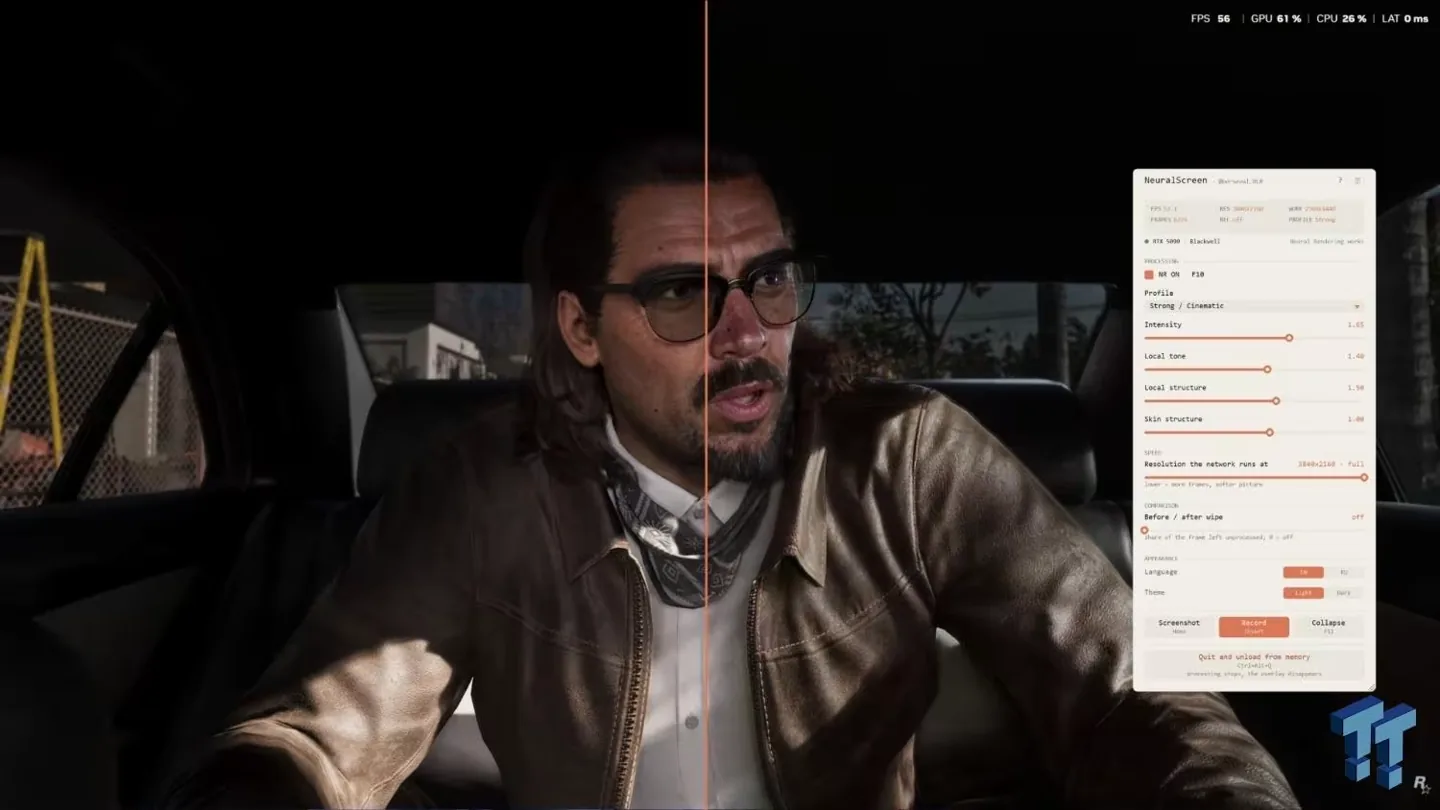
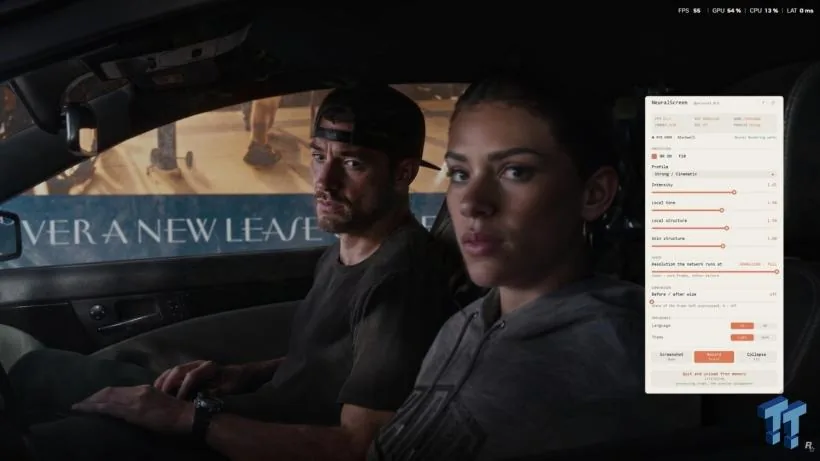
On September 13, tech media tweaktown reported that developer perseval_BLR released NeuralScreen, a non-official application that applies NVIDIA’s DLSS 5 neural rendering to the entire Windows 11 desktop environment. Key facts:
- Release date: Publicly disclosed on September 13, 2026
- Technology: NVIDIA DLSS 5 (Deep Learning Super Sampling 5)
- Core function: Apply neural rendering to desktop-level content—video, images, and windowed games
- Supported OS: Windows 11
- Status: Non-official tool, not licensed by NVIDIA or Microsoft
- Limitation: No visible changes to static wallpaper/text; optimization focuses on dynamic visual content
DLSS 5, NVIDIA’s sixth-generation AI graphics technology unveiled at GTC in March 2026, breaks new ground by introducing real-time neural rendering. Unlike previous DLSS versions that primarily boosted frame rates, neural rendering uses generative AI to “fill in details” for more realistic lighting, materials, and skin textures—approaching Hollywood-level photorealism.
Technical Details and Use Cases
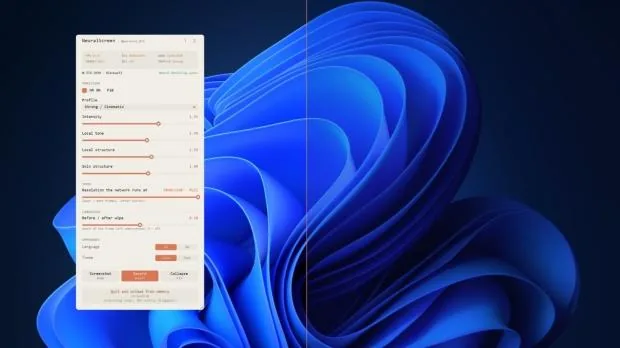
Neural rendering’s core capability is enhancing visual fidelity through AI-generated detail recovery. DLSS 5 remains officially supported only in NBA 2K27, which launched in September 2026.
NeuralScreen’s innovation lies in extending beyond gaming:
- Web video playback: Content passes through neural rendering, improving detail sharpness and overall texture quality
- Image display: Static images benefit similarly from AI-based enhancement
- Windowed games: Non-exclusive fullscreen titles receive quality optimization
The tool evolved from modders who previously exploited leaked dll files to extend DLSS 5 across many games. NeuralScreen represents the first attempt to unify desktop API calls for consistent rendering.
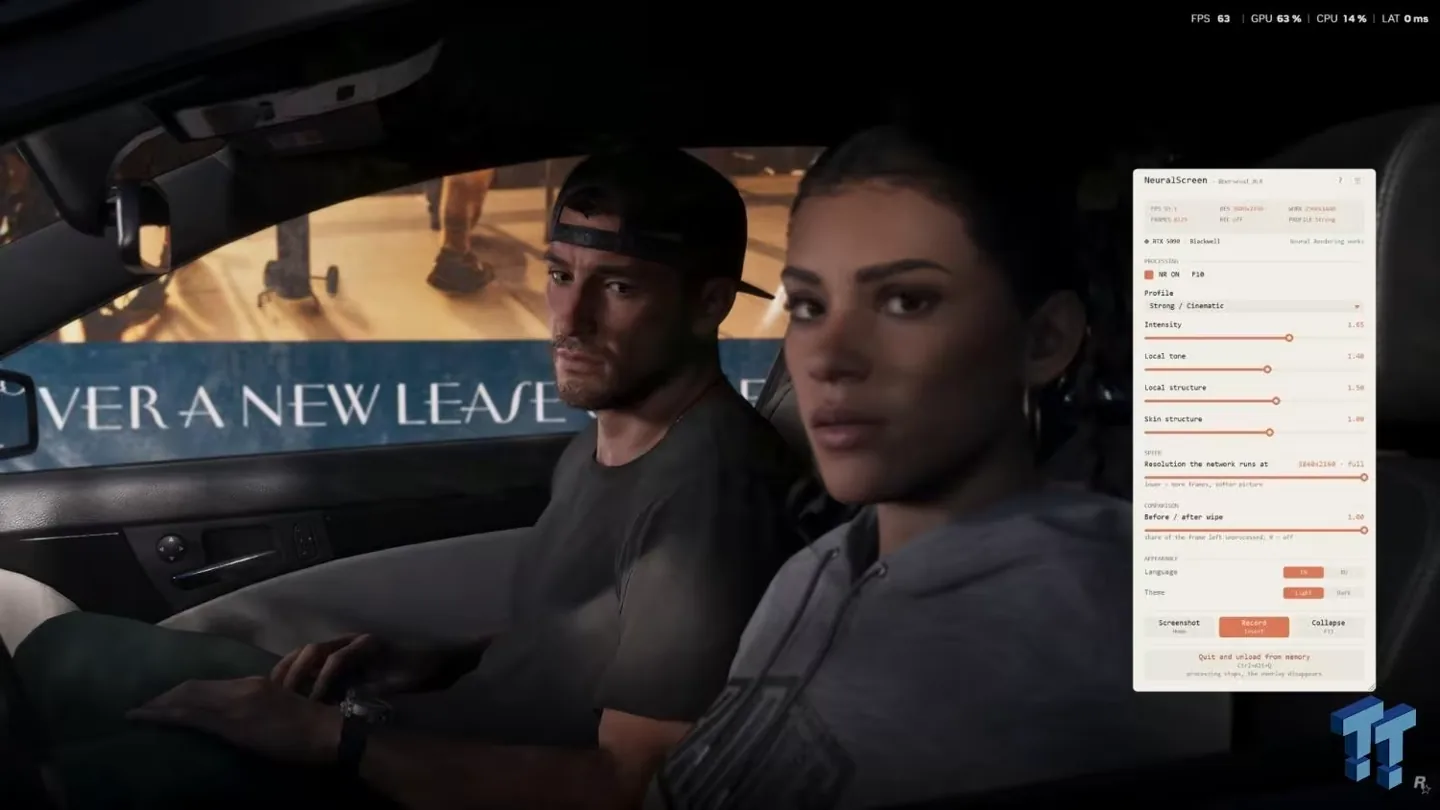
Three core controls are provided:
- DLSS 5 model switching (different inference strategies)
- Intensity slider (adjusting enhancement strength)
- Before/after comparison slider (side-by-side live preview)
Higher intensity settings yield more pronounced changes but risk deviating from the original artwork’s intended aesthetic—a common trade-off in generative AI processing.
Relationship to DLSS 5 Ecosystem
| Aspect | Official DLSS 5 | NeuralScreen |
|---|---|---|
| Release timing | September 2026 (with NBA 2K27) | September 13, 2026 (public disclosure) |
| Game support | NBA 2K27 and licensed titles | Nearly any game (via leaked dll extension) |
| Content scope | In-game graphics only | Video, images, windowed games, desktop content |
| Source | NVIDIA official SDK and driver integration | Unofficial dll application bypassing licensing |
| Hardware | Ada Lovelace / Hopper architecture NVIDIA GPUs | Same hardware requirement |
Notable contrast: While DLSS 5 remains officially limited to one game, NeuralScreen achieved desktop-wide application even before NBA 2K27’s launch—community-driven deployment outpaces official adoption.
Practical Recommendations
- Ready to try: Windows 11 users with RTX 40-series or newer GPUs who frequently consume web video, browse images, or play windowed games; expect measurable visual quality improvements
- Wait longer: Creative professionals and content reviewers requiring strict color accuracy; current versions may over-enhance, causing color shifts or detail distortion
- Hardware prerequisite: RTX 40-series or newer GPUs required; older cards cannot run the neural rendering engine
Final Thoughts
NeuralScreen demonstrates that generative AI graphics technology is migrating from game engines toward broader system integration. Though unofficial, it validates neural rendering’s potential in general computing scenarios—and pressures NVIDIA to proactively expand APIs to accommodate innovative community use cases.