Event Snapshot: TechCrunch Disrupt 2026 Featured Session
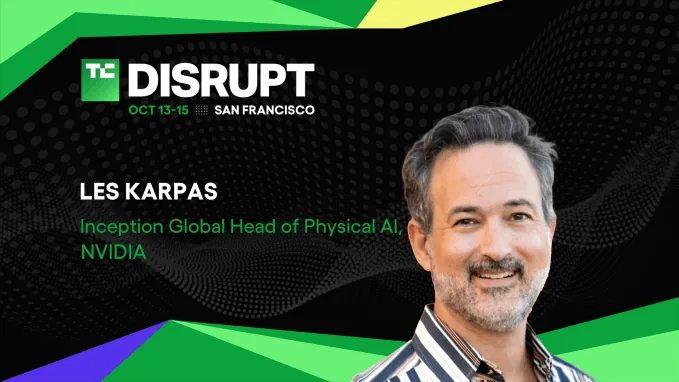
- Date:October 13–15, 2026
- Venue:Moscone West, San Francisco
- Speaker:Les Karpas, Nvidia Inception Global Head of Physical AI
- Session Title:“Robots Are Waiting for Their ChatGPT Moment”
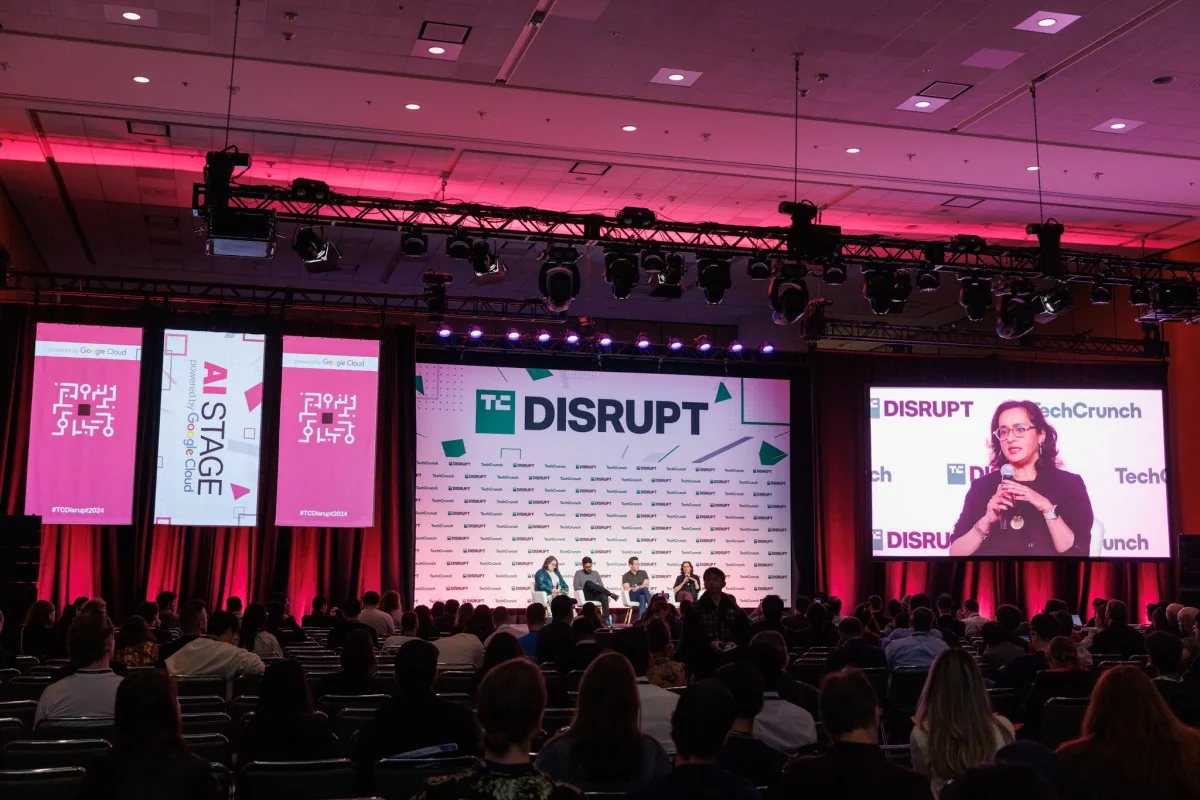
- Stage:Real World AI Stage
- Early Bird Discount:Save up to $200 before September 25;团体 bundles offer up to 30% off
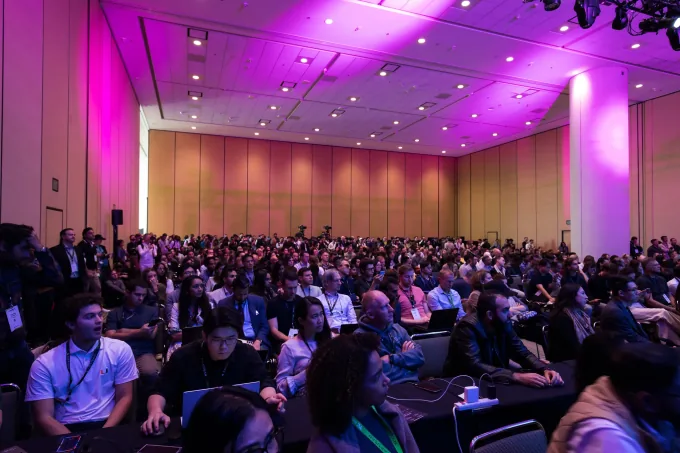
- Audience Scale:10,000+ tech executives, founders, and investors expected
Core Barrier: The Data Deficit Holding Robots Back
Karpas identifies the fundamental reason physical AI has not yet achieved mainstream adoption: the absence of an internet-scale dataset for physical AI, analogous to the text corpora that fueled large language model breakthroughs.
Notable Contrast:
- Autonomous vehicle providers like Waymo could build datasets through accumulated road miles over years; these datasets continue expanding region by region
- Robots face a steeper challenge: real-world physical interaction data is harder to scale, and each robot morphology exhibits significantly different interaction patterns
To bridge this gap, an emerging cohort of startups is engineering synthetic solutions through simulation environments, synthetic data generation, and foundation models trained across multiple robot platforms simultaneously. Karpas will co-host a discussion with founders from Shield AI, Colossal Biosciences, FieldAI, and Foxglove, who will outline their specific obstacles and opportunities.
Nvidia’s Ecosystem vantage: Bridging Diverse Innovation Circuits
Karpas’ professional background provides unique industry coverage. As Nvidia Inception’s Global Head of Physical AI, he coordinates relationships across startups operating in robotics, automotive, manufacturing, mobility, and smart cities. His career spans Stanley Black & Decker, Intellectual Ventures, Herman Miller, iRobot, Cirque du Soleil, and venture studio roles— functioning as architect, manufacturing engineer, startup CEO, and corporate venture capitalist.
This cross-functional experience sharpens his focus on the digital–physical bridge—the core challenge TechCrunch aimed to spotlight by launching the Real World AI Stage, dedicated to moving AI from lab to real-world deployment.
| Agenda Highlight | Participant | Focus Area |
|---|---|---|
| Keynote address | Les Karpas (Nvidia) | Physical AI bottlenecks and solution pathways |
| Case study | Shield AI | Operational challenges in defense/emergency robotics |
| Case study | Colossal Biosciences | Integration of biology and robotics |
| Case study | FieldAI | Deployment experiences in agricultural robotics |
| Case study | Foxglove | Sensing and data visualization tools |
Practical Guidance: Who Should Attend
Prioritize attending if you:
- Are a physical AI ecosystem investor—Karpas’ network may surface early-stage opportunities
- Represent manufacturing or logistics - seek to adopt proven data strategies from deployed systems
- Lead an algorithm team - require insights into simulation and cross-platform foundation model approaches
Delay participation if you:
- Haven’t clarified concrete physical AI use cases|premature implementation risks high leverage cost
- Lack cross-disciplinary talent(mechanical + AI + data engineering)|actual deployment cycles likely exceed projections
Closing Reflection
Karpas’ analysis exposes a core paradox: the most sophisticated robots remain starved of foundational data. While LLM breakthroughs succeeded because internet-scale text was freely available, physical AI’s leapforward demands bespoke infrastructure—and that infrastructure is still under construction. Recognizing the data gap isn’t resignation; it’s the first step toward engineering the solution. (1,470 words)