A Separate Experience for Younger Users
OpenAI is introducing a dedicated ChatGPT mode for teenagers, bringing youth safeguards and several new safety-oriented features into one product experience. The mode will apply to users who identify themselves as being between 13 and 17, as well as users the system estimates to be under 18. Under OpenAI’s published age policy, children under 13 are not allowed to use the platform.
The company describes ChatGPT for Teens as an experience meant to help teenagers learn, think critically, deepen understanding, and use AI with confidence. The launch comes as public scrutiny grows over how AI tools affect younger users, while other online platforms are also adopting age checks and teen-specific protections.
Default Safeguards and Parent Controls

The teen experience applies protections by default. OpenAI says it will enforce tighter restrictions on prohibited or sensitive content, including graphic violence, depictions of self-harm, and sexual or romantic roleplay. It will also surface warnings and safety information around topics such as eating disorders.
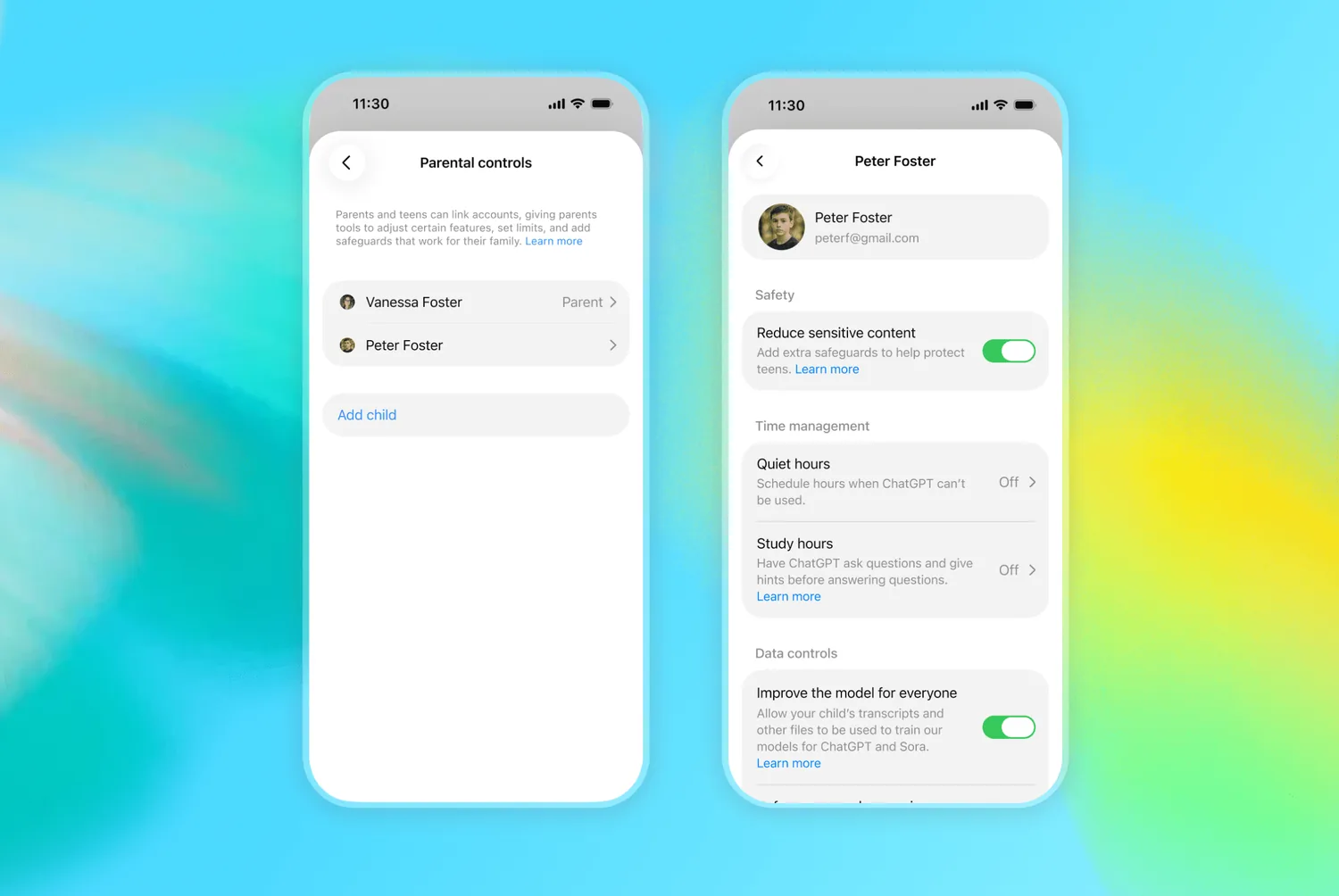
Parents will get controls to set quiet hours and receive notifications about safety alerts when the system flags a possible risk. In this context, a safety alert does not necessarily mean harm has occurred; it means the system has detected a signal that may require attention.
Key elements include:
- Eligibility: self-identified users aged 13 to 17, plus users estimated to be under 18;
- Stronger restrictions: sensitive areas such as violence, self-harm, and sexual or romantic roleplay;
- Parent tools: quiet hours and notifications tied to safety alerts;
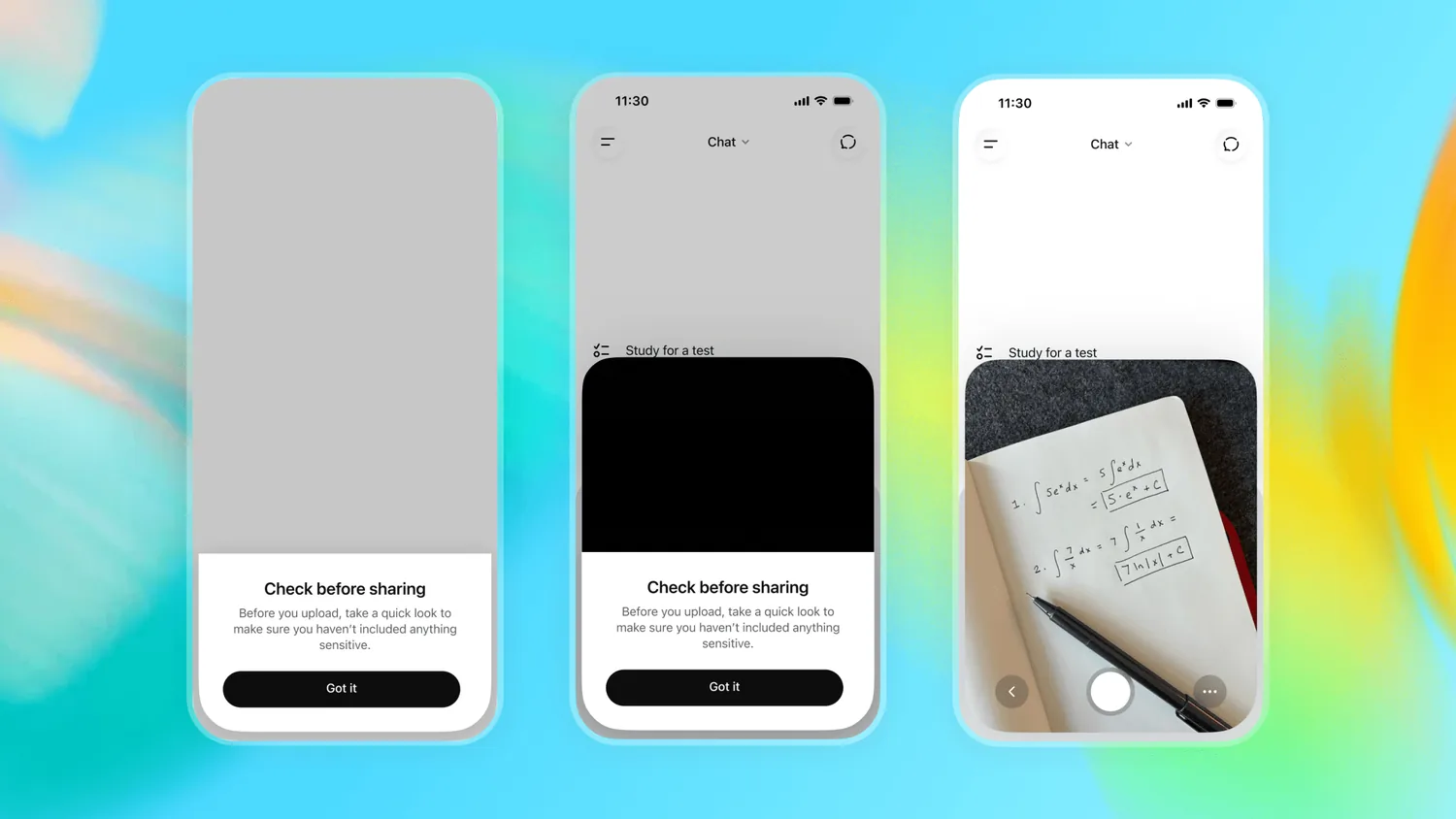
- Healthy-use nudges: onboarding, sensitive image upload reminders, and teen-focused customization.
Homework, Study Mode, and Healthier Use
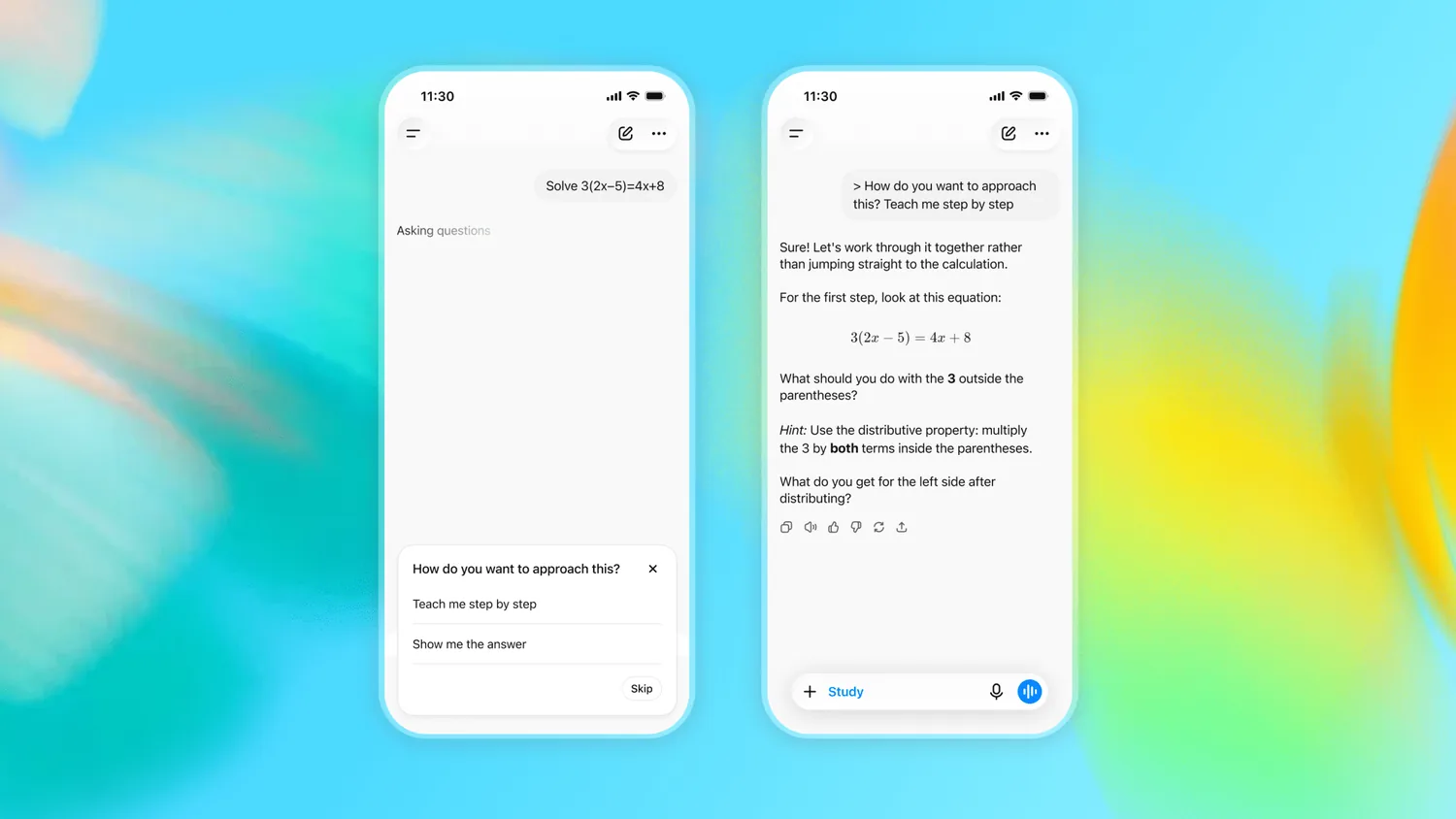
OpenAI is also adding what it calls responsible homework reminders. The company says the system can recognize when a teen appears to be trying to shortcut an assignment and redirect them to ChatGPT’s dedicated study mode. Study mode, in practical terms, is a more guided format intended to support explanation and learning rather than simply providing an answer.
Teens or parents can also set study hours, which automatically enable study mode during selected times. Other parts of the teen experience include teen-specific onboarding and customization options such as accent colors and voice variations.
The homework feature highlights a broader tension for AI in education: generative AI can make explanations easier to access, but it can also make it easier to bypass the learning process. OpenAI’s approach is not to claim perfect intent detection, but to steer users toward a more structured learning experience when shortcut-like behavior appears.
More Consolidation Than Reinvention
Although OpenAI is presenting this as a new teen-focused ChatGPT experience, many of the protections are not entirely new. Age-prediction features were rolled out at the start of the year, while parental controls and study mode arrived roughly a year ago. The company also said last month that it would show teens more frequent break reminders.
That makes ChatGPT for Teens less a single new safety invention and more a consolidation of scattered safeguards under a clearer product label, alongside smaller additions and adjustments. The consolidation still matters: protections are more useful when they are easy to understand, enabled by default, and visible to both teens and parents.
What It Signals for AI Platforms
OpenAI says its teen protections are based on ongoing safety research and that it plans to share more of what it is learning while building additional safety features. The company frames the goal as giving teens access to AI with protections that reflect their developmental stage, reinforce real-world relationships, and support healthy use over time.
The broader direction is clear: major AI platforms are moving from one-size-fits-all chatbots toward age- and context-aware experiences. The next area of competition will not only be model quality, but also how reliably platforms identify younger users, how usable parental controls are, how well study tools discourage answer-copying, and how transparently companies explain whether their safeguards work.