
OpenAI Admits Siri Integration Underperforms, Apple Drops Exclusive Talks Amid Antitrust Case
In late September 2026, OpenAI revealed in an antitrust court filing that its Siri integration has underperformed since its December 2024 launch. Actual usage in Apple’s ecosystem remains extremely low as of early 2026, prompting OpenAI to submit this evidence to counter Elon Musk’s claim of anti-competitive exclusion. Musk withdrew his lawsuit shortly thereafter, leaving OpenAI as the sole defendant.
Collaboration Disclosure: High Interaction Friction and Exclusivity Dispute

The court documents disclose key facts:
- Timeline: Integration launched December 2024 under Apple Intelligence; signs of trouble appeared by January 2025; usage remained minimal as of early 2026
- Interaction hurdle: Apple implemented multi-step authorization confirmation flows, significantly reducing user willingness to engage
- Downgraded expectations: OpenAI repeatedly lowered projected weekly active user growth
OpenAI’s disclosure aimed to debunk Musk’s claim that an exclusivity agreement blocked competitors. The filing confirms OpenAI proposed a two-year exclusive deal, which Apple explicitly rejected. The final agreement was non-exclusive, preserving Apple’s right to integrate competing AI services—leading to its current Gemini-based partnerships.
OpenAI cited economic expert testimony: even under SpaceXAI’s own model, the market containment effect of ChatGPT in Apple’s ecosystem was negligible, rendering the alleged commercial harm factually unsupported.
Historical Echo: Jobs’ Defiant Response to iPhone 4「Antennagate」
On September 22, a 16-year-old video resurfaced: footage of Steve Jobs’ post-emergency-conference Q&A on July 16, 2010, regarding iPhone 4’s antenna issue.
Key Responses Attributed to Jobs
| Issue | Jobs’ Verbal Response | Outcome |
|---|---|---|
| Should Apple apologize? | “We are not perfect… We happen to be a group of people who are trying desperately to delight users.” | No formal apology |
| Internal engineer warnings? | Dismissed Bloomberg report as “total crock” | Denied preemptive alerts |
| Core learning takeaway? | “Consumer tech’s center has shifted from hardware to software—we won’t touch anything we can’t control” | Reinforced vertical integration |
| Did Jobs use Bumper? | All three executives held up their unProtected iPhones | All users received free Bumper |
The crisis ended with a software fix to signal-bar algorithms, free Bumper cases, and full refund options.
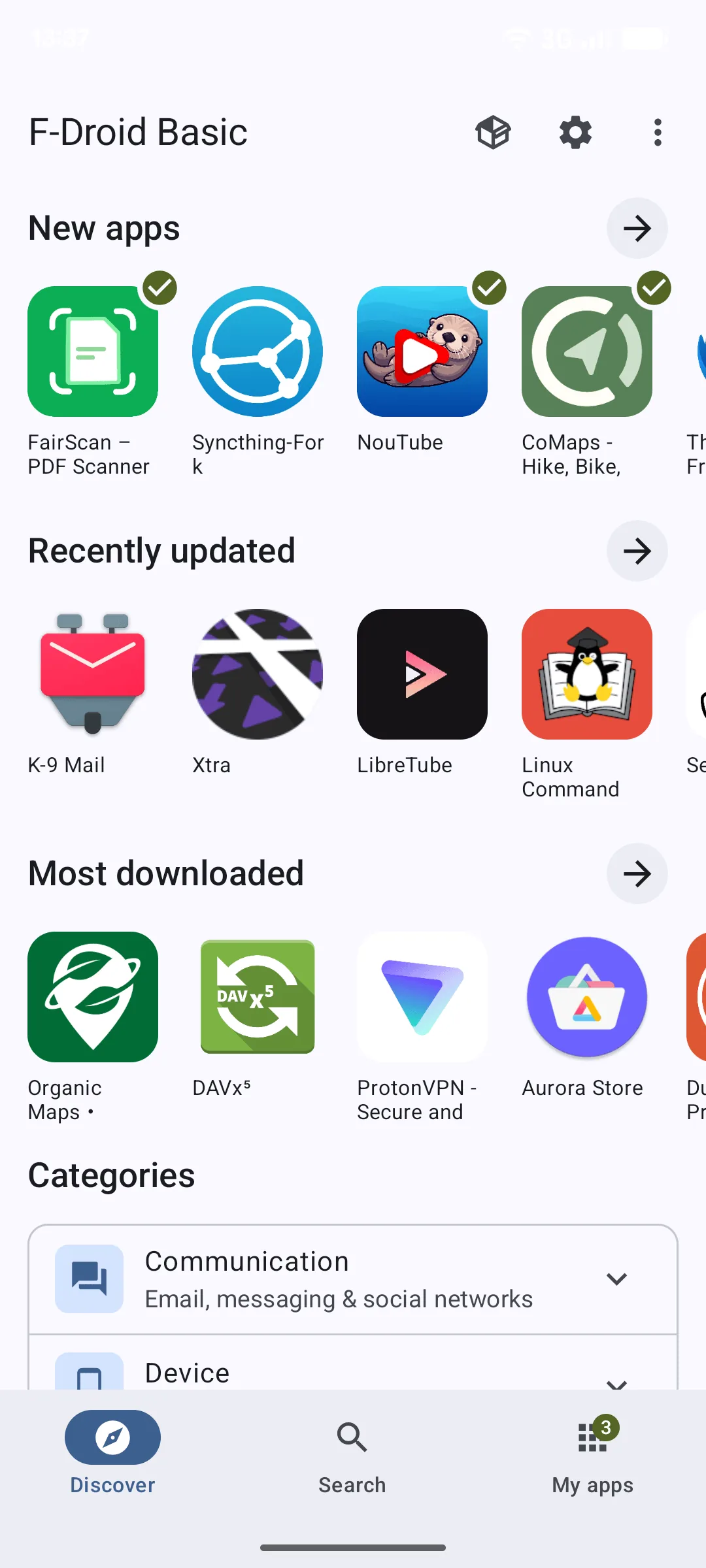
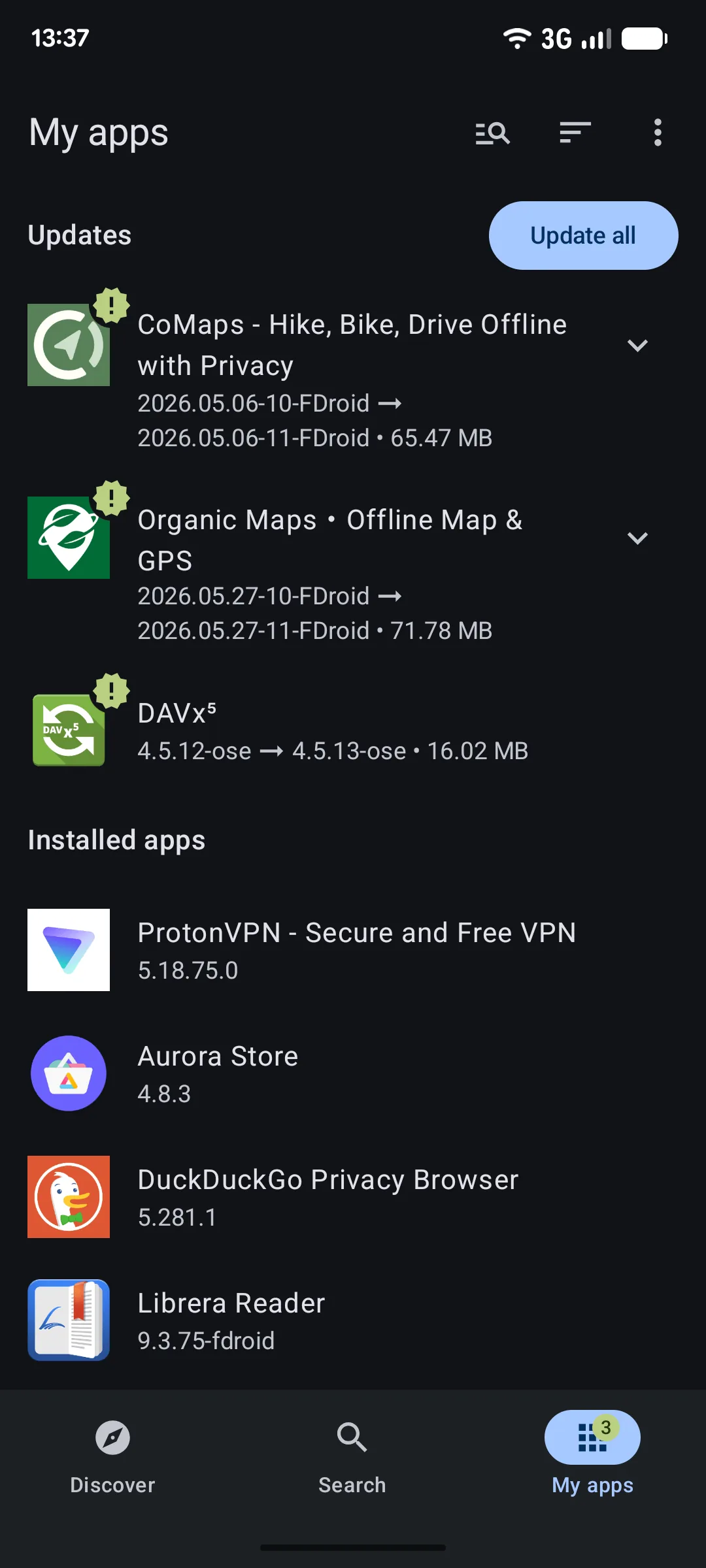
F-Droid 2.0: A Modern Open-Source Android Store
Released September 24, F-Droid 2.0 represents the project’s largest architectural overhaul in nearly a decade.
Technical Leap
- Stack rewrite: Built with Kotlin and Jetpack Compose, conforming to modern Material Design
- Installation reform: Leveraging EU DMA-mandated API openness,引入 unified installer and pre-approval API—eliminating dependency on privileged extensions (FPE)
- Privacy standardization: Formalized proxy and app-icon spoofing configurations
- CJK support: Refactored search backend for better Chinese/Japanese/Korean keyword matching
- OS requirement: Dropped Android 6 support; minimum is now Android 7
Developed since 2020 across 14 test versions, F-Droid 2.0 aims to escape legacy issues of outdated UI and installation restrictions.
Brief Industry Updates
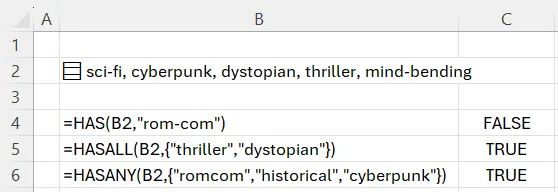
- Excel arrays: Cells can now natively store lists and arrays; new functions include FLATTEN and HAS; Beta Channel testing ongoing, with known incompatibilities in pivot tables and Power Query
- Copilot+ PC branding waning: Microsoft’s latest Surface Pro and Laptop—despite meeting the 16GB/256GB/40+ TOPS NPU requirements—omit the certification in marketing; official landing page redirected to “High-Performance PC”
- Apple hardware rumors: 8th-gen iPad mini to feature A20 Pro, relocated front camera; 4th-gen Apple TV 4K RAM up to 12GB; HomePod mini to add new colors and next-gen Siri features
Reader Recommendations
- For Copilot/Copilot for Siri users: If primarily operating within Apple’s ecosystem, monitor future authorization-flow simplifications; current friction remains high
- For open-source enthusiasts: F-Droid 2.0’s modern interface and background update capabilities are now production-ready for Android 7+ devices
Bottom Line
The collapse of OpenAI and Apple’s partnership underscores a fundamental truth: technical integration is achievable; changing user habits is not. When cross-platform promises fail to translate into single-platform usability gains, no amount of executive consensus can keep a collaboration alive against real-world data.