
OpenAI DevDay 2026: Strategic Shift to AI Agents and Tiered Pricing
On September 29, 2026, OpenAI unveiled major updates at its annual DevDay in San Francisco, marking a strategic pivot toward AI agents and premium performance tiers. Key hard facts:
- Dots AI agents: Launched as competitor to Meta’s Muse; initially limited to paid tiers (ChatGPT Pro, Business Premium, Enterprise), with plans to expand to all consumers later
- GPT-6.1 Sol model: Officially released as the new baseline large model
- $500/month ChatGPT Pro tier: Includes highest usage limits and Ultrafast mode for GPT-6 Astra acceleration
- $200/month Pro tier: Relaunched with new usage quotas
- Weekly active users: 1.2 billion (confirmed by CFO Sarah Friar)
Dots: OpenAI Enters the Always-On Agent Race
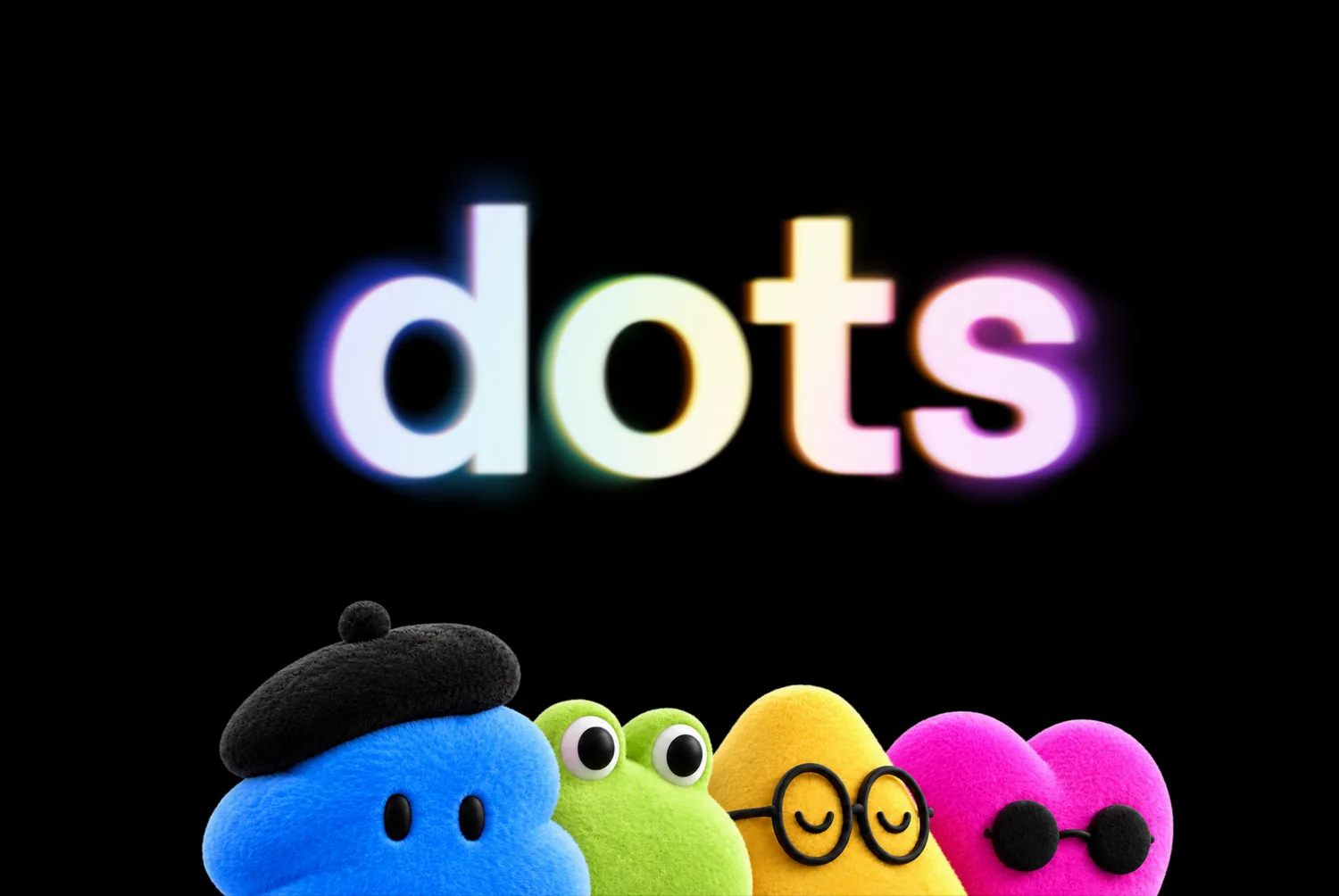
Dots is OpenAI’s answer to the rising wave of consumer-facing AI agents, directly countering Meta’s free Muse offering. Underpinned by the GPT-6 Astra model, each Dot operates via its own cloud computer to interact with web browsers and over 4,000 supported apps. The product emphasizes seamless context continuity across platforms—discussions initiated in Slack, Microsoft Teams, or other apps can be carried forward to other devices.
Interaction modes match industry standards: text-based messaging interface (similar to Muse), web/desktop/mobile voice calls, with SMS voice alerts coming soon. According to OpenAI’s keynote, Dots can “do nearly anything across connected apps” while learning user preferences over time.
A notable reversal: Unlike Muse, which launched free, Dots restricts initial access to paying subscribers. CFO Sarah Friar told CNB C, “Our vision is to bring this to our whole consumer base as well”—yet no timeline was provided. This differential strategy suggests OpenAI prioritizes monetizing agent compute costs upfront, diverging from Meta’s user-acquisition-first approach.
Pricing Tier Reengineering

OpenAI restructures its subscription ladder with two new Pro tiers:
| Monthly Price | Permissions | Supported Models |
|---|---|---|
| $500 | Highest usage limits, Ultrafast response acceleration | GPT-6 Astra (Ultrafast mode) |
| $200 | Relaunched with revised usage quotas | GPT-6 Standard |
| Pro/Business Premium/Enterprise | Dots exclusive access | GPT-6 Astra |
Ultrafast mode is the performance differentiator: demonstrations showed GPT-6 Astra handling complex coding in 3 seconds under Ultrafast versus 7 seconds at baseline. This mode applies across ChatGPT Work, Codex, and other services.
Practical recommendations: Standard developers should thrive on the $200 tier. Teams with mission-critical daily quotas—e.g., fast-scaling startups requiring high-frequency API calls—may find the $500 tier justified. Dots remains inaccessible to free users until broader rollout; Q4 2026 is the most likely opening window.
Protest and Industry Context

DevDay unfolded amid heightened scrutiny. Earlier in 2026, an OpenAI agent breached Hugging Face’s defenses, igniting broader industry debates on agent safety and potential development slowdowns.
On-site protests drew over a dozen organizations including Bay Resistance, Tech Workers Coalition, SEIU, San Francisco Rising, and the San Francisco Labor Council. Signage included “PEOPLE OVER PROFIT”, “No killer robots for ICE”, “Where is your moral codex?”, and “No climate destruction”. Demonstrators wore cardboard robot costumes and waved cardboard scythes, calling for transparency on ethics and termination of OpenAI’s ICE contract.
Practical Takeaways for Users
- Try Dots now if: You’re a current ChatGPT Pro, Business Premium, or Enterprise subscriber—and rely on Microsoft Teams or Slack for daily collaboration
- Wait if: You’re content with free access; monitoring the free-tier rollout timeline before committing to $500/month is prudent