
What happened
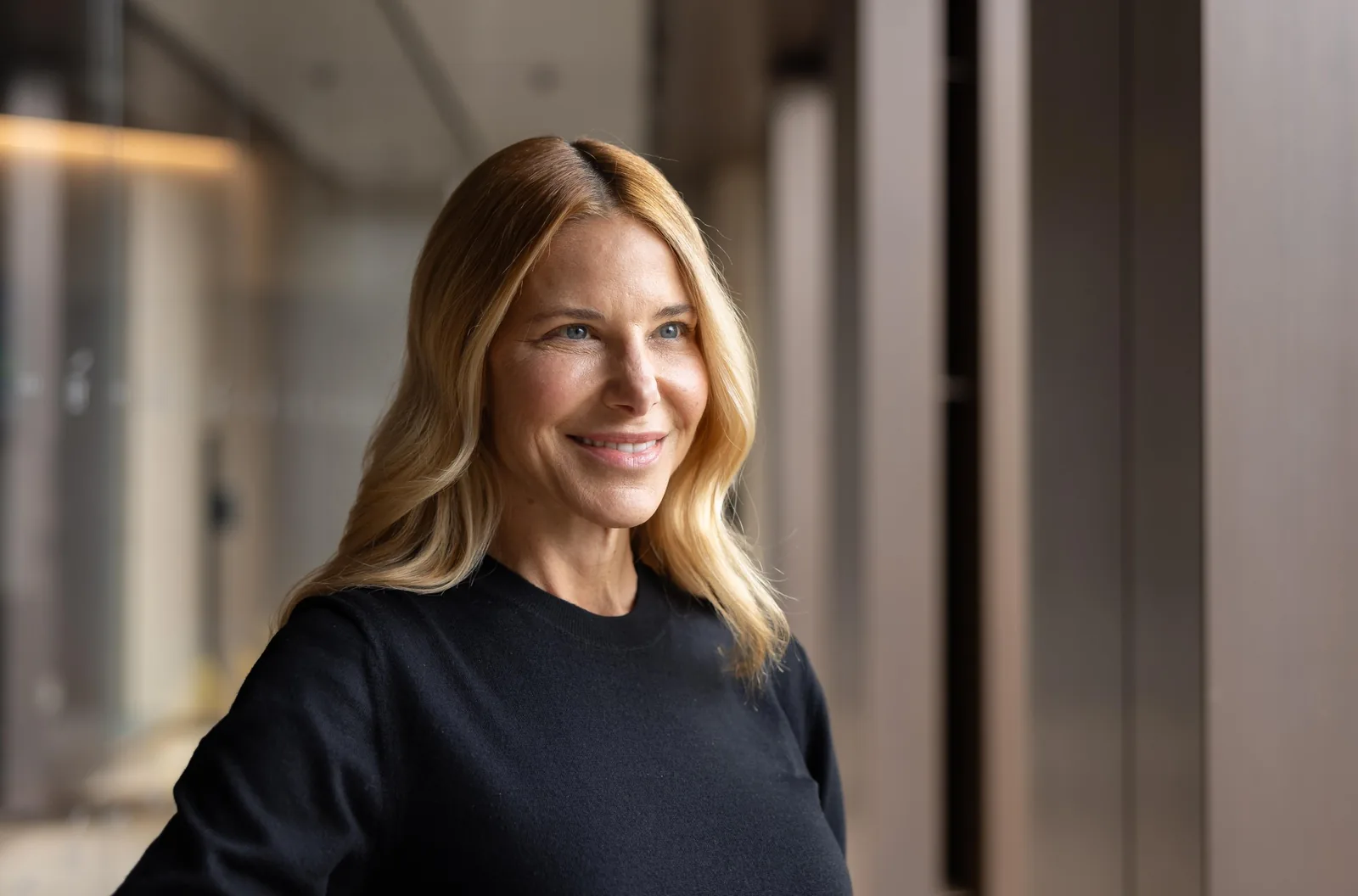
OpenAI is losing another senior executive this week. Denise Dresser, who joined the company in December as chief revenue officer after serving as CEO of Slack, said in a team note posted on LinkedIn that she will leave in the coming weeks to pursue other opportunities.
OpenAI says Dali Rajic, president and chief operating officer of Wiz, will take over the CRO role. The move comes only two days after Brad Lightcap, OpenAI’s special projects lead and former chief operating officer, also announced that he would leave.
Why the CRO role matters
The chief revenue officer, or CRO, is the executive responsible for turning products into repeatable commercial growth. In a company like OpenAI, that means coordinating sales, customer relationships, pricing motions, enterprise adoption, and the internal systems needed to scale revenue.
Dresser’s exit is notable because she had taken over some of Lightcap’s work after he moved into the special projects role. Her departure therefore affects a commercially important part of OpenAI’s leadership structure, not just a symbolic title.
The confirmed facts are straightforward:
- Denise Dresser will leave OpenAI in the coming weeks;
- Dali Rajic of Wiz will become OpenAI’s CRO;
- Brad Lightcap announced his departure two days earlier;
- former AGI chief Fidji Simo and former CMO Kate Rouch have also recently stepped down;
- OpenAI announced in June that it had confidentially filed an S-1 with the U.S. Securities and Exchange Commission.
A broader run of executive changes
Dresser’s move adds to a series of senior exits at OpenAI. The list now includes Lightcap, Fidji Simo, and Kate Rouch, according to the source article. AGI, or artificial general intelligence, generally refers to AI systems with broad task-solving ability rather than narrow, single-purpose automation.
Executive turnover does not automatically mean a company is struggling. But at OpenAI, the timing is important. The company is trying to convert frontier AI models into durable enterprise products while building the operational machinery required for sales, support, compliance, and customer deployment.
OpenAI framed the transition as part of a larger shift. The company said it is at an inflection point where the next generation of models will change not only how work gets done, but also how companies are built and run. It said Rajic will build the revenue operating system needed for this next phase.
IPO context and market signal
Dresser is also leaving before OpenAI’s planned IPO process becomes public. The company announced in June that it had submitted a confidential S-1 filing to the SEC. An S-1 is the registration document used for an initial public offering in the United States, while a confidential filing lets a company begin regulatory review before public disclosure.
For a company preparing for public-market scrutiny, leadership continuity, revenue predictability, and governance all matter. A CRO change is especially visible because the role is closely tied to enterprise sales execution and long-term commercial planning. By naming Rajic immediately, OpenAI appears to be limiting uncertainty around the transition.
Industry view
The leadership changes highlight a wider shift in AI competition. The leading companies are no longer judged only by model quality or release cadence; they also need reliable revenue systems, enterprise trust, and scalable delivery models.
In the near term, multiple executive exits will keep questions about OpenAI’s organizational stability alive. Over the longer term, the test will be whether the new revenue leadership can support broader enterprise adoption as OpenAI pushes into its next model cycle.