
Core Facts at a Glance
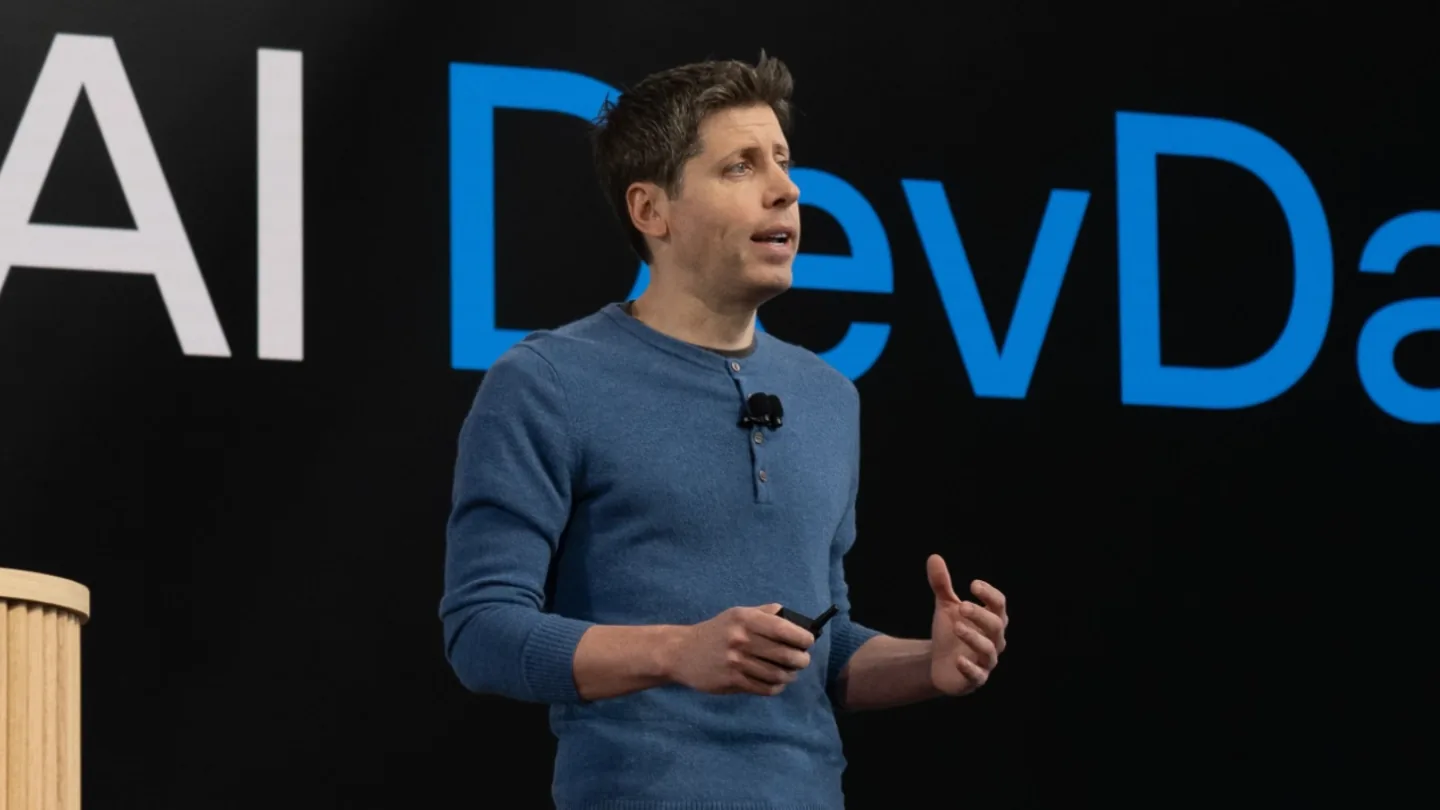
OpenAI is negotiating with existing investors to raise at least $3 billion before its initial public offering (IPO), with an expected company valuation of $1.4 trillion, according to Bloomberg. The deal remains unconfirmed and discussions are ongoing.
Key facts:
- Funding target: ≥$3 billion
- Valuation target: $1.4 trillion
- Fund purpose: Bridge financing ahead of IPO
- Current revenue: $4 billion annualized (as of August 2026)
- IPO timeline: Excluded for 2026 by CEO Sam Altman; safety work takes priority
- Previous round: $122 billion in March 2026 at $85.2 billion valuation
Strategic Pivot and Revenue Turnaround
After losing momentum to Anthropic in early 2026, OpenAI refocused on core business areas—including code generation—in July, driving a 70% year-over-year revenue growth to $4 billion annualized (≈$26.9 billion RMB).
The planned $3 billion raise is significantly smaller than its previous $122 billion round, demonstrating strong investor confidence despite CEO Altman delaying the IPO. This suggests capital markets are pricing in long-term governance leadership, not just technical superiority.
Valuation Logic and Financing Comparison
OpenAI’s valuation jump results from three forces: accelerating revenue, dominance in enterprise adoption, and growing influence in AI safety policy.
Summary of key financing terms (汇率换算 rate: 1 USD ≈ 6.72 RMB):
| Metric | March 2026 Round | Proposed Round | Change |
|---|---|---|---|
| Amount Raised | $122 billion | ≥$3 billion | -75% |
| Company Valuation | $85.2 billion | $1.4 trillion | +64% |
| Valuation (RMB) | ¥573 billion | ¥9.41 trillion | +64% |
Note: Annualized revenue rose from ~$23.5 billion (年初 estimate) to $40 billion, significantly outpacing valuation growth—indicating a shift from expectation premium to earnings-based valuation.
Practical Recommendations
- Watch if you’re: High-net-worth investors (post-IPO shares), enterprise API consumers (pricing stability likely to improve), or policy researchers tracking U.S.-China AI governance divergence
- Wait if you’re: Individual users (free tier unaffected), startups seeking early access (current waitlists unchanged), or public sector buyers (regulatory approval still pending)
Final Note
By prioritizing safety infrastructure over immediate shareholder returns, OpenAI reveals a new industrial logic: profitability must be balanced against existential risk mitigation. Its $1.4 trillion valuation now rests not on model quality alone—but on whether it can credibly represent collective AI safety interests while monetizing a General Artificial Intelligence business model.