OpenAI’s Executive Exodus: Strategic Realignment Under Brockman’s Shadow

OpenAI is undergoing an unprecedented executive turnover: over a dozen senior leaders have departed since January, including Sam Altman’s deputy, chief operating officer, chief revenue officer, chief marketing officer, and multiple team leads. The most recent development involve s Chris Malone, who stepped down as head of data centers after joining in March 2025—tenure lasting less than 18 months. Though the company declined to comment on broader changes, internal shifts point clearly toward co-founder Greg Brockman resuming central leadership authority.
Brockman’s Comeback: From Disruptive Outsider to Organizational Core
As president and co-founder, Brockman built critical early infrastructure for OpenAI before being sidelined in 2019 when Altman assumed CEO duties. His 2023 role in the “Blip” proxy coup that temporarily ousted Altman led to a brief 2024 sabbatical; his return now coincides with enhanced power. Infrastructure and product teams now report directly to him. As API and app lead Thibault Sottiaux stated: “everyone reports to Greg at the end of the day.”
This leadership exodus reflects two concrete drivers: health-related exits and Altman’s initiative to eliminate underperforming “side projects” in favor of revenue-generating activities. While Malone’s departure lacks public explanation, structural changes are evident: infrastructure now falls under VP Sachin Katti rather than direct Brockman oversight, effectively demoting Malone’s reporting position.
IPO Timelines Expose Financial Tensions
OpenAI has confidentially filed for IPO, yet 2027 remains the projected timeline—a significant delay from the typical five-month post-filing path to public trading. This lag stems from stark financial contrasts: Anthropic, its closest public-market peer, reportedly achieves profitability; OpenAI meanwhile sees expanding losses amid rising revenue.弥补其财务模型的紧迫性正驱动组织精简。
Brockman’s Commercial Turnaround Playbook
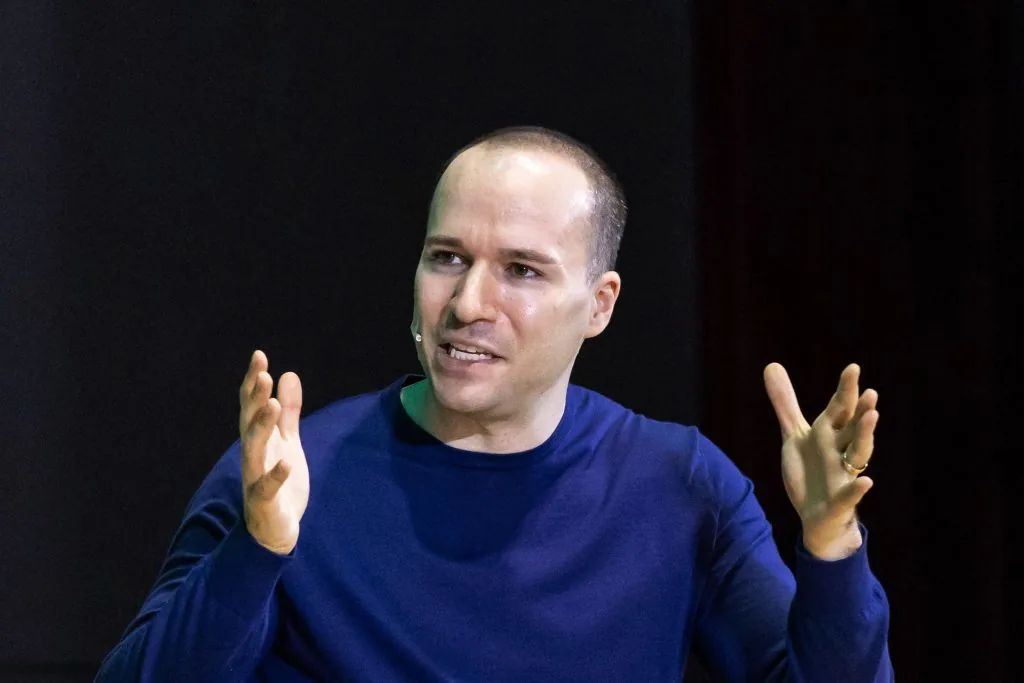
Brockman’s Stripe legacy offers strategic clues. Before OpenAI, he engineered commercial infrastructure for Stripe’s businessVertical, while internally championing go-to-market mechanics for open-source models. Today he controls the two levers most critical to valuation: infrastructure (supporting GPT-5.6-scale compute) and product (desktop app with 15M new subscribers in two months). User growth is robust, yet unit economics remain unproven—Brockman’s domain to stabilize.
Leadership Vacuum and Succession Priorities
Immediate gaps center on role coverage and team morale. Past hires like Fidji Simo (ex-Stripe, ex-Snap) and Kevin Weil (ex-Twitter, ex-Uber) represented logo-equipped scalability expertise—this轮 reverts to founder-led calibration, acknowledging quarterly profitability pressure trumps executive glamour.
Targets for enterprise buyers should watch GPT-5.6’s inference efficiency ratios and API rate-tier adjustments; startups may notice tighter commercial licensing terms.
Those advised to wait: IT procurement teams requiring SLA guarantees should await Q4 2026 financial disclosures; job seekers should prioritize infrastructure/product roles (now under clear Brockman control) over experimental project teams likely subject to secondary cuts.
The Bottom Line
Tech org transitions follow a predictable arc: founders build, CEOs scale, founders reinterpret. OpenAI’s current churn reflects no failure, but rather the necessary friction of maturation—shedding layers to enter public markets with one clean, profit-path story.