
The event: liquidity before a public listing
OpenAI has reportedly completed a $7 billion share buyback from employees, giving staff a way to turn part of their equity compensation into cash while the company remains privately held. A tender offer, in this context, is a private-market transaction in which employees are offered a chance to sell shares before an IPO or other public-market exit.
Bloomberg reported the deal valued OpenAI at $852 billion, the same valuation as its most recent March fundraising round. That round added $122 billion to the company’s war chest, according to the report cited by TechCrunch. OpenAI did not respond to a request for comment by publication time.
The numbers and the IPO signal

Several facts frame the significance of the transaction:
- Tender size: $7 billion in employee-held shares;
- Valuation: $852 billion, unchanged from the March round;
- IPO preparation: OpenAI confidentially filed with the U.S. Securities and Exchange Commission in June for a potential listing later this year;
- Financial context: The Wall Street Journal reported in April that the company missed internal financial goals.
A confidential SEC filing is a common preparatory step for companies considering an IPO. It allows a company to begin the regulatory process without immediately making all filings public. It does not, by itself, mean a listing is imminent.
Why a tender offer can point to patience
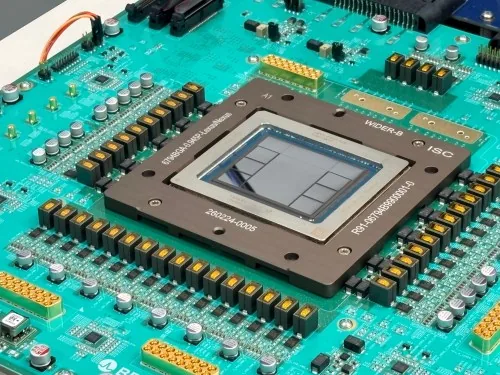
If a company expects to go public very soon, employees may soon have a path to liquidity through public markets. A large tender offer can therefore suggest a different timeline: the company may want to provide liquidity now while preserving flexibility on when, or whether, to move ahead with an IPO.
That fits a broader pattern in technology. Many high-value startups have stayed private longer than earlier generations of venture-backed companies. Private tenders have become a practical tool: employees can realize some value from stock compensation, while companies avoid the scrutiny, disclosure obligations, and quarterly pressure that come with public markets.
For OpenAI, the equation is especially complex. The company sits at the center of demand for frontier AI systems—advanced models that require large-scale computing, research, infrastructure, and commercial operations. Public investors would likely show intense interest in an OpenAI listing, but they would also expect clearer evidence of durable revenue growth and a credible path through heavy operating costs.
Pressure from performance and rivals
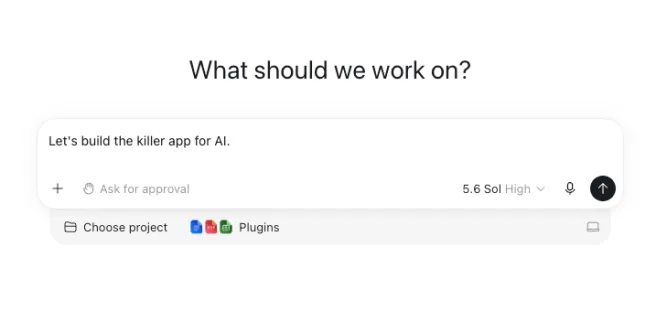
Last month, CEO Sam Altman wrote that “we did not have our best 12 months ever, which is mostly my fault, but we are about to have our best 12 months to date.” The comment lands alongside the Wall Street Journal’s April report that OpenAI missed internal financial targets, reinforcing the idea that the company may want to improve its public-market story before listing.
Competitive pressure is also rising. Anthropic, a major rival, is reported to have been profitable earlier this year and could become a public-market comparison point if it debuts first. That would give investors another way to evaluate growth, spending discipline, and enterprise demand in the AI model business.
TechCrunch also noted that the tender could indicate OpenAI is waiting for a strategy focused on paring down bets and emphasizing enterprise business to gain traction. Enterprise AI generally means selling tools and services to business customers, where buyers care about reliability, support, compliance, and measurable productivity gains.
What it means for AI markets
The $7 billion tender offer is not merely an employee-liquidity event. It is also a signal that OpenAI is managing timing carefully: rewarding and retaining staff, preserving private-company flexibility, and waiting for stronger proof points before facing public investors.
The likely direction for the sector is clear: enthusiasm for generative AI remains high, but IPO readiness will depend less on brand momentum alone and more on verifiable business performance. For large AI companies, private tenders may remain an important bridge while they refine strategy, demonstrate enterprise traction, and decide when public markets are ready for their full financial story.