
OpenAI Launches ChatGPT Images 2.5 and Sketch Drawing Feature
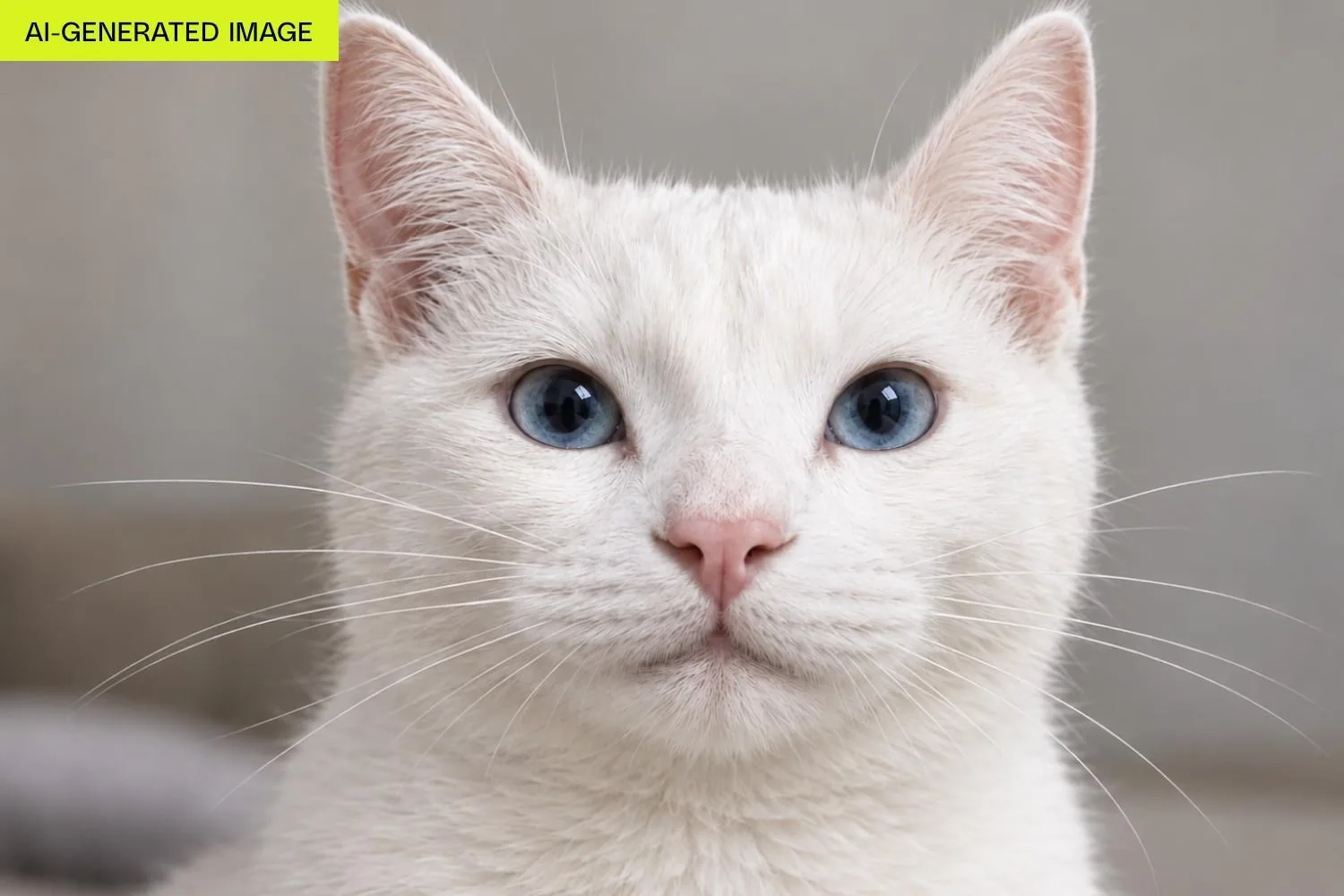
OpenAI officially unveiled ChatGPT Images 2.5 and the new Sketch feature on Tuesday, September 9, 2026. Key formal details:
- Release date: Tuesday, September 9, 2026
- New version: ChatGPT Images 2.5
- New feature: Sketch (activated by typing
@Sketchin chat box) - Eligible users: ChatGPT, ChatGPT Work, and Codex subscribers
- Platforms: Desktop, mobile, and web
- Access status: Currently available widely, no waitlist or invite required
The core value of Sketch lies in transforming users’ rough doodles into AI-generated images, complemented by natural language refinement—significantly lowering the barrier to high-quality visual creation.
Feature Deep Dive: Hand-Drawn Sketches and Interactive Editing
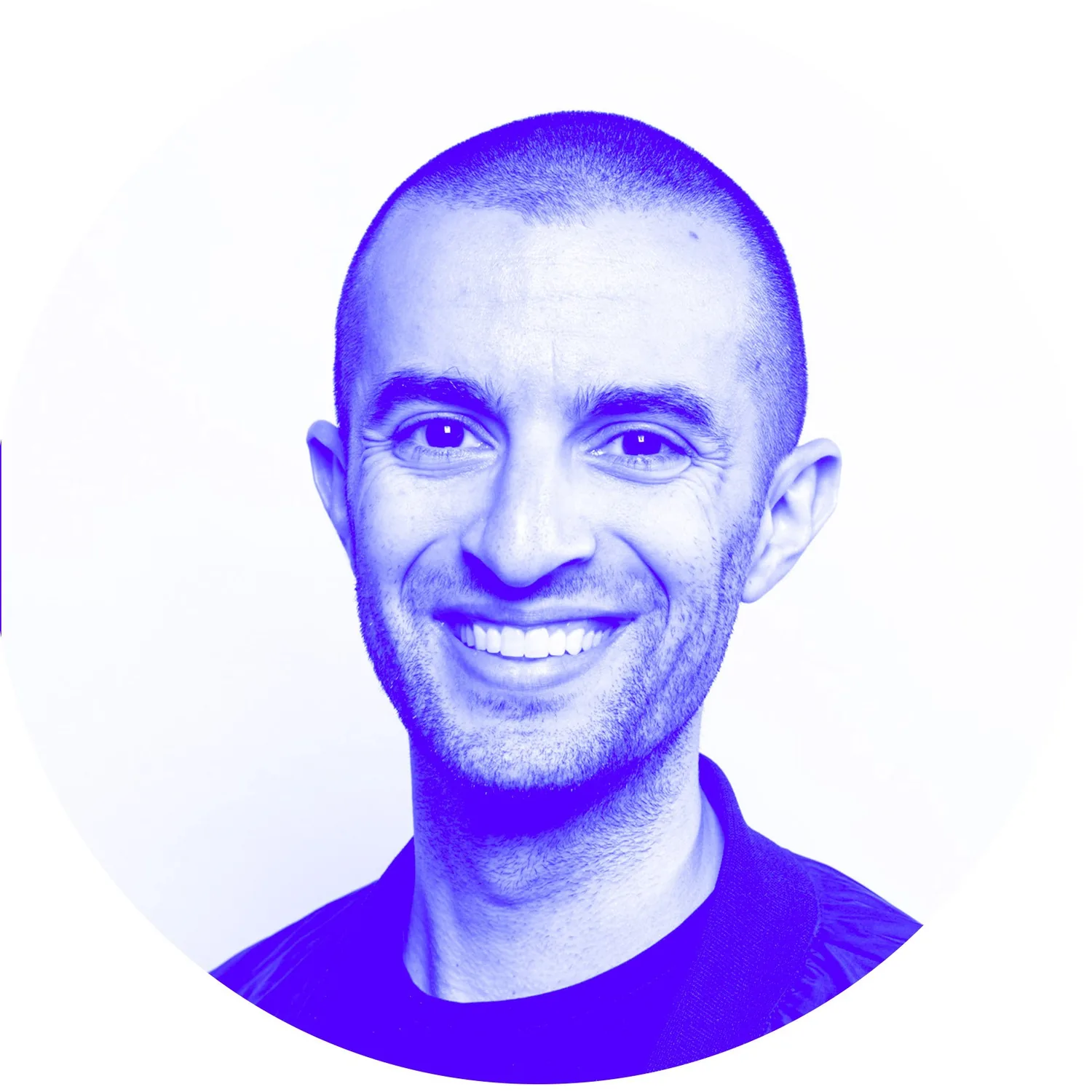
Sketch enables users to draw directly within the ChatGPT interface using mouse or touch input, then prompt adjustments in plain language. Testers report successful conversion of poorly drawn sketches—e.g., a mouse-drawn cat—into photorealistic images upon instruction. Crucially, users can now annotate specific image regions with change requests; for instance, circling the cat’s eyes to request “change to green” triggers targeted local edits in subsequent generations.
Compared to text-only prompts, Sketch integrates visual intent directly into the generation pipeline, reducing semantic gaps between idea and output. Though OpenAI did not disclose algorithmic specifics, this falls under multimodal prompting, leveraging both image and text signals to guide the model.
An unexpected technical highlight: image generation latency reduced by up to 50% versus Images 2.0. This performance gain dramatically shortens wait times, benefiting rapid-iteration workflows where speed matters most.
Technical Upgrades: Natural Lighting and Multi-Turn Instruction Compliance
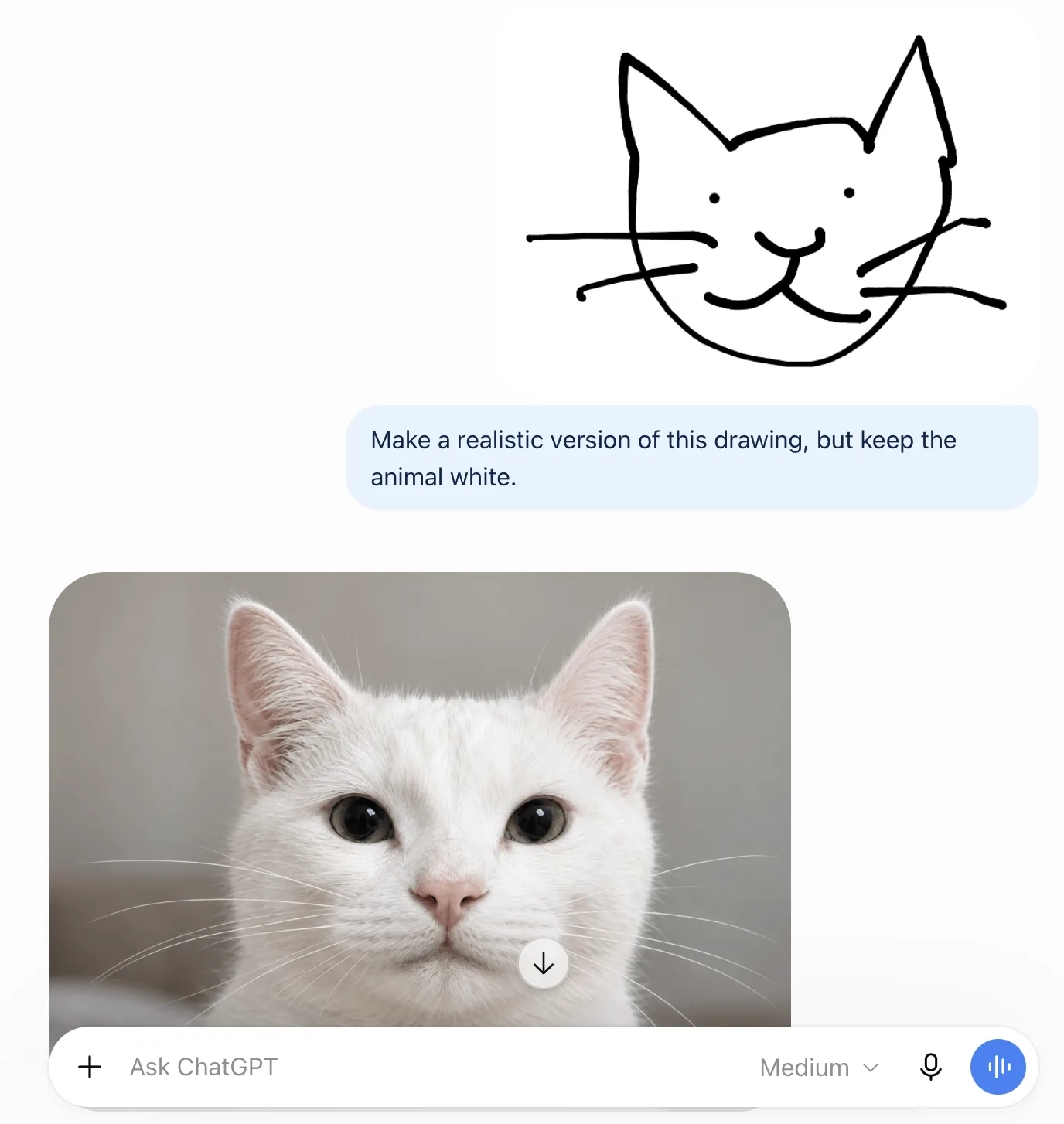
Images 2.5 emphasizes three core improvements:
- Lighting fidelity: Images exhibit “more natural lighting”, minimizing overexposure and shadow artifacts
- Texture richness: Material surfaces show enhanced depth and realism
- Instruction following: Better maintains user edits across multiple conversational turns, avoiding inconsistent resets
These enhancements suggest deeper grounding in physical-world physics, particularly for high-dimensional attributes like reflectance and surface detail.
| Feature Comparison | Images 2.0 | Images 2.5 (New) |
|---|---|---|
| Generation latency | Baseline | Up to 50% reduction |
| Natural lighting | Basic | More natural光照 effects |
| Texture quality | Standard | Richer texture layers |
| Multi-turn editing | Basic support | Significantly improved consistency |
| Drawing input | Text-only prompts | New Sketch doodle input |
Practical Guidance for Users
Try immediately if you:
- Lack formal drawing skills but need visual content—Sketch lets you materialize rough ideas without artistic training
- Work in creative fields—illustrators and UI designers can rapidly prototype or gather reference visuals
- Teach or brainstorm—instructors can visualize abstract concepts, engineers can sketch early prototypes instantly
Hold off if you:
- Require explicit copyright assurance in commercial outputs (OpenAI did not address licensing terms in this announcement)
- Need highly technical illustrations (e.g., architectural blueprints or anatomical schematics), where structural accuracy remains challenging
Final Thoughts
Sketch’s arrival signals AI image generation’s shift from text-reliant to multimodal interaction. While the technical direction is clear, widespread adoption of sketch-based prompting will depend on user comfort—turning… a global audience into everyday sketch artists remains a charming experiment still unfolding.