
Core Event Overview
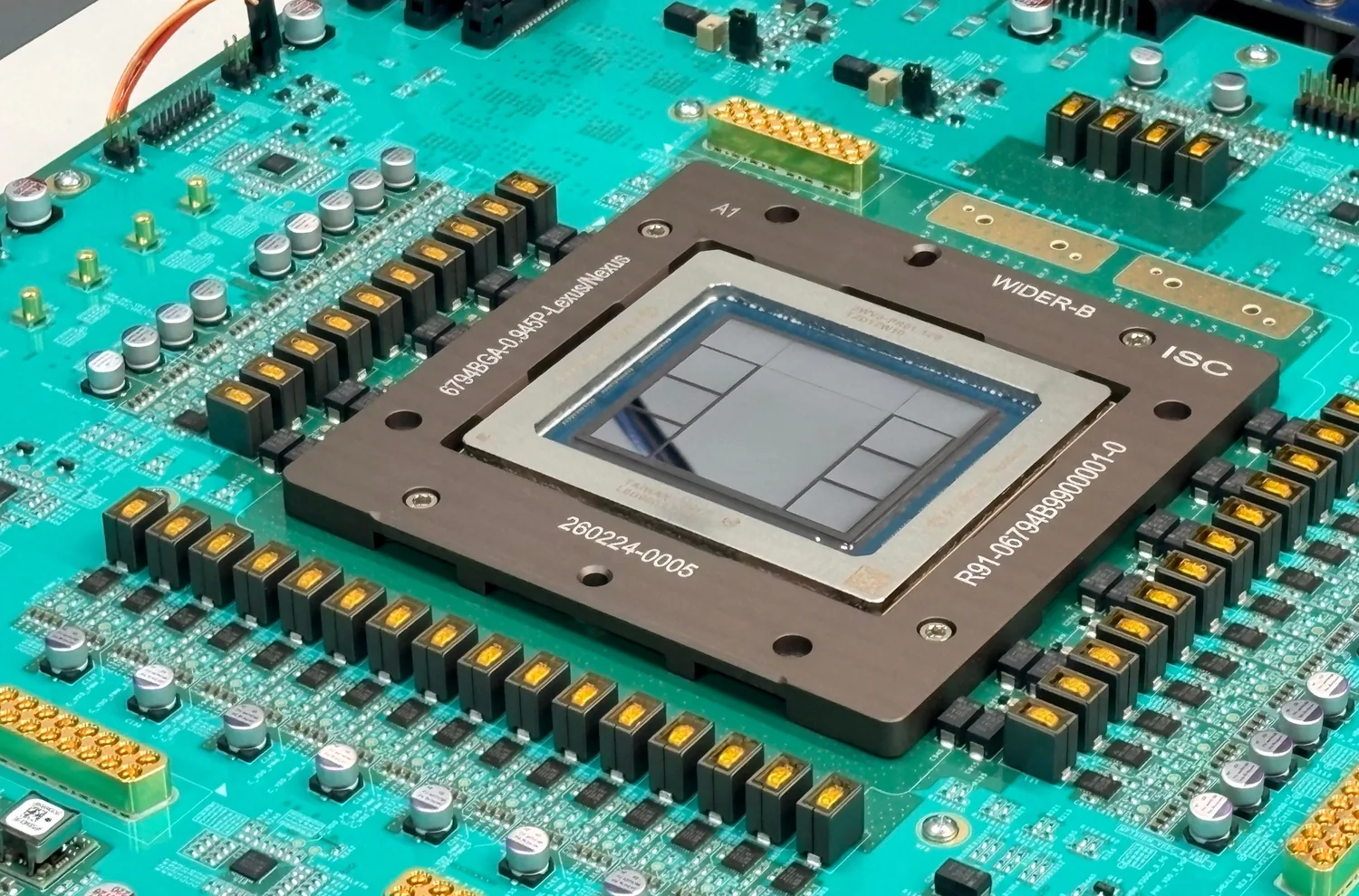
OpenAI officially unveiled its self-developed AI chip, Jalapeño, on Tuesday, specifically optimized for AI inference workloads. Key facts:
- Launch date: August 26, 2026 (blog publication date)
- Chip type: Application-specific integrated circuit (ASIC), purpose-built for AI inference
- Partner: Co-developed by OpenAI and Broadcom
- First reveal: Announced back in June 2026; this marks the first release of benchmark data
- Deployment plan: Limited initial rollout by the end of 2026, scaling up from 2027
- Compute strategy: Will not fully replace existing chip lineups — will continue to run alongside partners like NVIDIA
Benchmarks: Performance Surpasses NVIDIA’s Top Chips
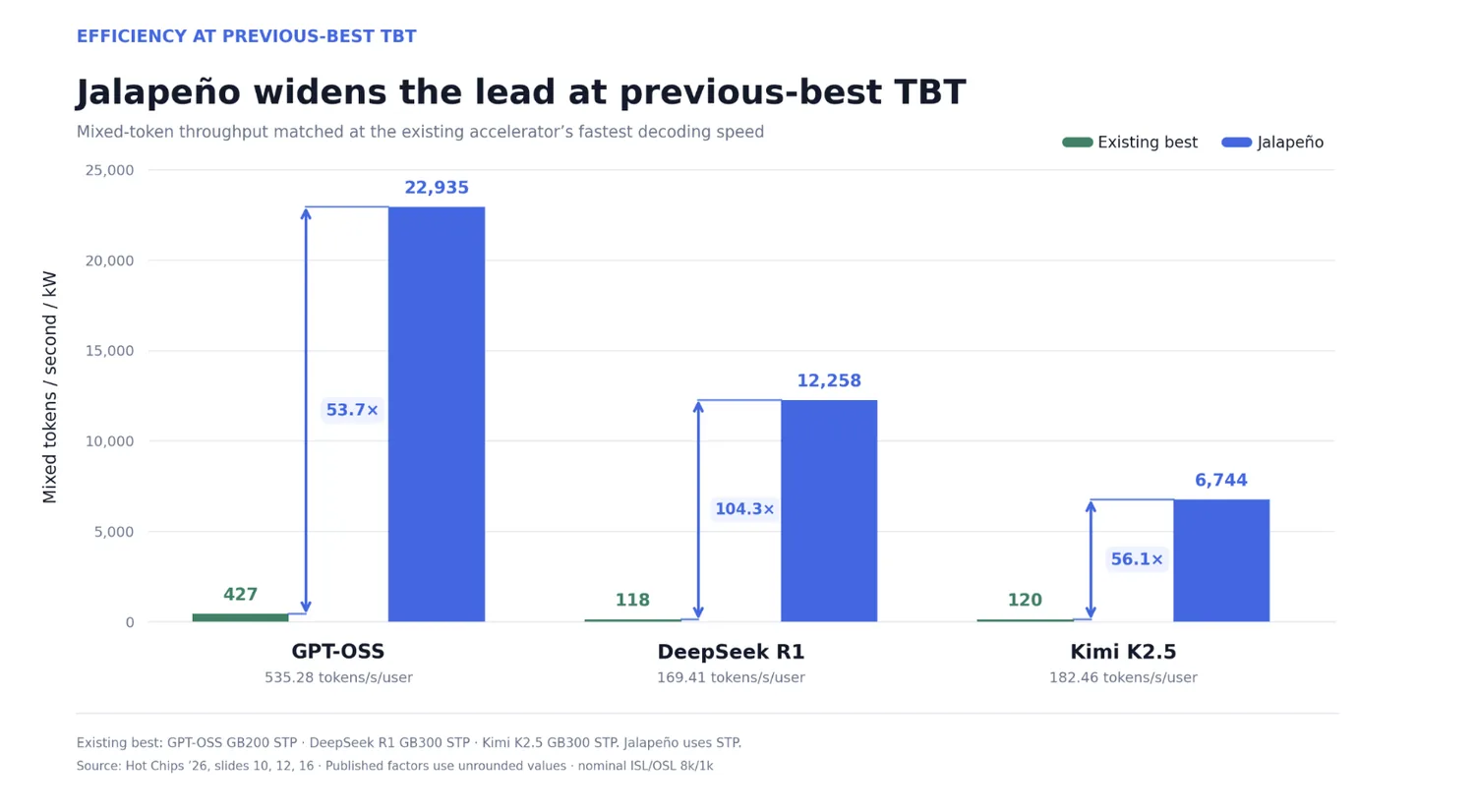
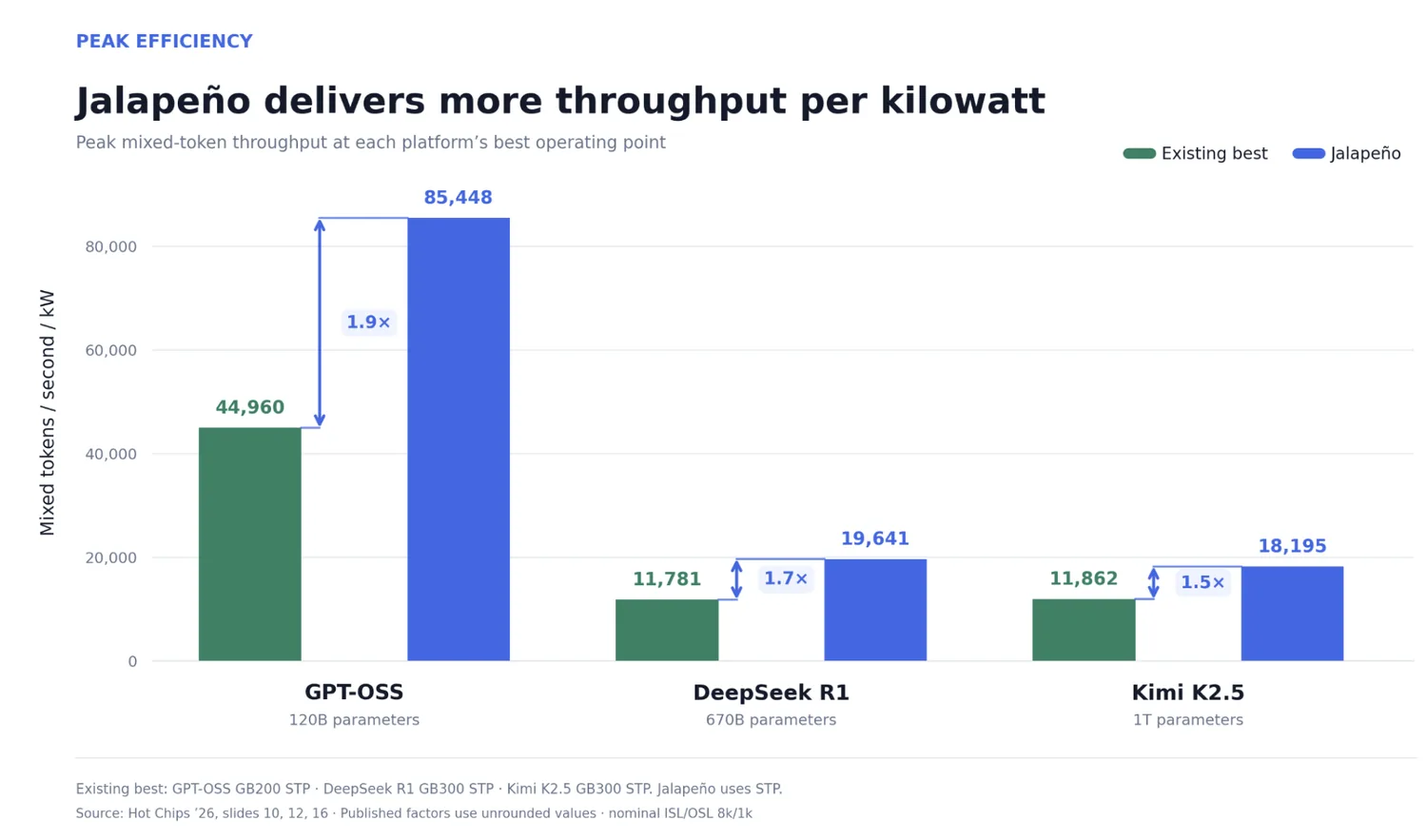
Jalapeño’s performance was validated through the InferenceX benchmark platform, pitted against NVIDIA’s GB200 and GB300 superchips — the current industry leaders in inference hardware. Tests covered three large models: GPT-OSS 120B, DeepSeek R1, and Kimi K2.5 1T.
The results show a significant edge:
- Energy efficiency: AI workload completed per unit of power consumption is 1.5× to 1.9× higher than NVIDIA’s systems
- Latency: End-to-end latency reduced by 1.7× to 3.6× (response speed up to 3.6× faster)
This result breaks the long-standing industry trade-off between latency and throughput. Richard Ho, OpenAI’s Vice President of Hardware, stated that Jalapeño achieves “the best of both worlds” — lowering latency while maintaining high throughput.
Notably, Jalapeño outperforms NVIDIA’s most powerful datacenter-grade superchips in inference tasks, which is highly unusual in the industry. Over the past several years, NVIDIA’s H100, B100, and the GB200 series have long dominated the high-performance inference market. OpenAI’s choice to develop its own ASIC rather than adopt an off-the-shelf solution signals how strategically important inference autonomy has become.
Jalapeño’s Technical Positioning and Deployment Timeline
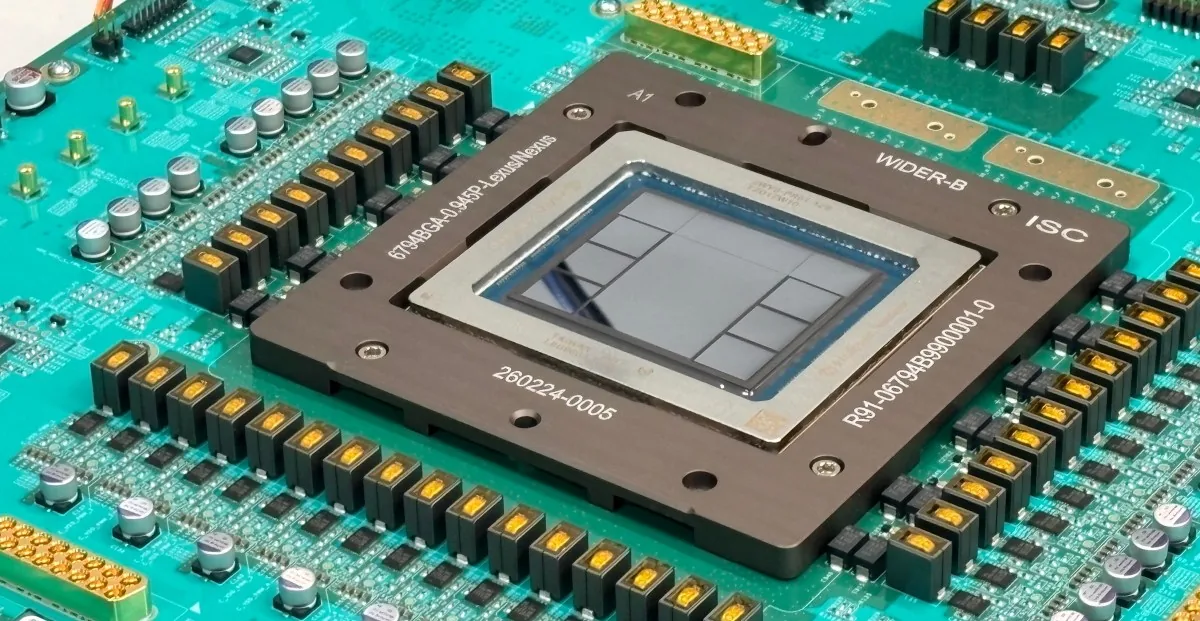
Jalapeño is an ASIC (application-specific integrated circuit). Compared to general-purpose GPUs, its circuitry is hard-optimized for specific model inference workflows, giving it a natural advantage in energy efficiency and latency — at the cost of flexibility. OpenAI emphasizes that this chip is dedicated to the “inference” stage — running already-trained models to complete tasks or deploy agents.
The deployment follows a phased approach:
- End of 2026: Limited deployment (“small volumes”)
- 2027: Significant production ramp-up (“ramp the volume up”)
While no specific deployment numbers were disclosed, OpenAI made clear that Jalapeño will not fully replace existing chips. Ho noted that the company’s overall compute strategy relies on “very excellent partners,” and NVIDIA will remain a key component of its compute stack. OpenAI plans to continue pushing forward with second- and third-generation Jalapeño development.
Core Performance Comparison (Based on InferenceX Benchmarks)
| Metric | Jalapeño | NVIDIA GB200 / GB300 |
|---|---|---|
| Energy Efficiency (GPT-OSS 120B / DeepSeek R1 / Kimi K2.5 1T) | 1.5–1.9× higher | Baseline |
| End-to-End Latency | 1.7–3.6× lower | Baseline |
| Chip Architecture | ASIC | GPU Superchip |
Takeaways for Readers
- Who should pay attention now: Cloud providers and AI application developers — Jalapeño’s low-latency profile is particularly relevant for real-time interactive agents, such as customer service agents and game NPCs; energy efficiency gains also directly impact long-term operational costs.
- Who should wait: Research organizations with strong needs for model flexibility — as an ASIC, Jalapeño cannot adapt to diverse training and inference workloads the way a GPU can; the ecosystem and toolchain are still maturing ahead of large-scale deployment in 2027.
Final Thoughts
Jalapeño marks a major step in large-model companies reaching upstream into hardware — but in the near term, a “hybrid compute” strategy will remain the norm. This is both a pragmatic move and further proof that ASICs and GPUs will coexist and evolve together in the future AI infrastructure landscape.