
Key Event Overview
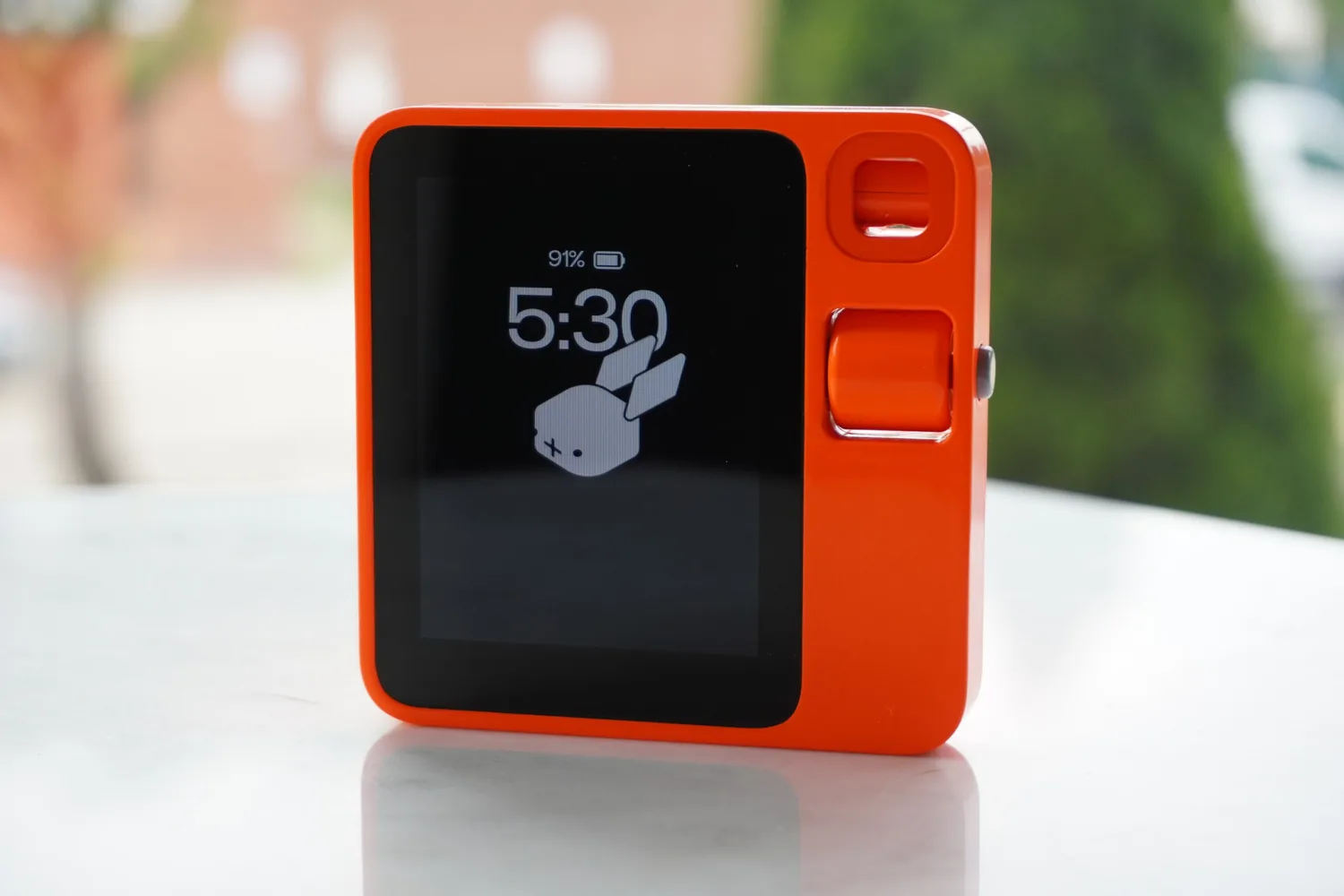
Rabbit has officially launched OS3, its next-generation AI operating system, marking a strategic shift from hardware dependency to pure software services following the controversial R1 device. This is the company’s first AI Agent product that does not require its own hardware.
- Release timing: Now available (reported by The Verge and Wired)
- Hardware requirement: No R1 device needed, runs independently
- Supported platforms: Windows, Mac, Linux
- Account device limit: Up to 5 devices per account
- Access methods: Dedicated desktop web, Telegram/iMessage apps, and R1 device (still supported)
- AI model support: Users configure preferred models; OS3 automatically orchestrates
System Architecture and Key Details
OS3 is labeled an “Agent Operating System” by Rabbit, with a hybrid cloud-native + local-execution architecture: the logic and task orchestration run in the cloud, while actual functional calls and interactions execute locally. This means file access and app interactions can occur without mandatory remote processing, preserving response efficiency and privacy boundaries for certain local operations.
Users manage a device pool via a unified account, and the system possesses automatic reasoning capabilities—identifying required devices (e.g., receive on phone, process on PC), needed files, and suitable AI models based on task specifications, forming end-to-end agent workflows. This transcends traditional “command-execution” single-step interactions, entering multi-stage task chains: target definition → path planning → multi-device coordination → result delivery.
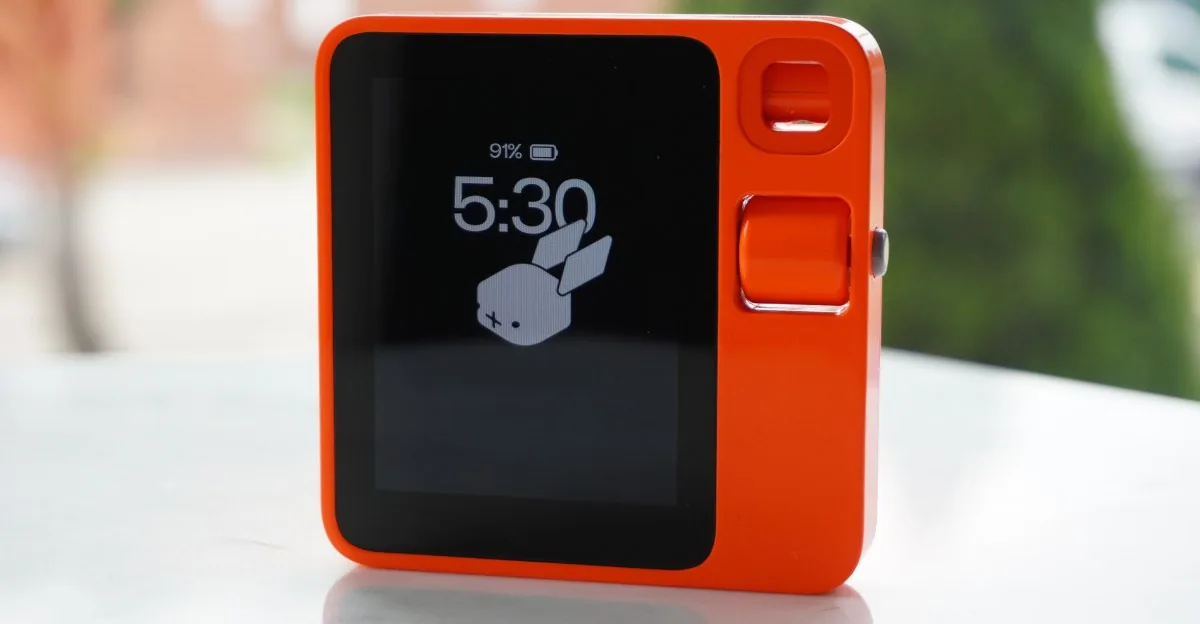
A notable counterpoint: while Rabbit promotes its hardware-free experience, founder Jesse Lyu confirmed to Wired that R1 device manufacturing has ceased. Yet he emphasized Rabbit has not abandoned AI hardware, instead pivoting to developing a new “vibe-coding cyberdeck”—a forthcoming device that will run OS3, expected within “months.” In essence, users can now enter zero-hardware, while the company maintains a mid-term hardware ambitions.
Privacy and Data Handling
On compliance, Rabbit claims OS3 features:
- No storing, copying, using, or selling of user local files or operational content
- But chat records and derived memories remain stored on Rabbit’s servers
- Third-party AI providers handle data under their own privacy policies when integrated
This “light local, medium cloud, heavy interface” security model persists: sensitive operations stay on-device, while conversational context and memory summaries are centrally managed for cross-device task continuity. Notably, Rabbit did not disclose retention periods or deletion mechanisms for memory data, nor clarify whether user data is used in federated learning or model fine-tuning.
Suitability and User Recommendations
· Try now if: You work across multi-platform environments (e.g., Windows desktop + macOS laptop + Linux server); prefer lightweight interactions via Telegram/iMessage; are a tech-savvy user evaluating Rabbit’s Agent capabilities without R1 hardware commitment.
· Wait if: Your organization mandates zero-upload data policies (since chats and memories remain云端); rely on proprietary models requiring deep integration (no API or on-premise deployment mentioned); previously purchased an R1 for device-specific functionality and fear obsolescence.
Write in closing
Rabbit’s OS3 represents a product reconstitution born from hardware market repositioning—when hardware adoption fell short, its technical assets were rapidly repurposed as a standalone software service. OS3’s true significance lies not in isolated feature leaps, but in validating “Agentic OS” as a viable standalone product category: when multi-device coordination, automatic task decomposition, and local-cloud resource orchestration become standard modules, AI Agents graduate from demo spectacles to deployable operating-system-layer utilities.