
A revived account with a clear purpose
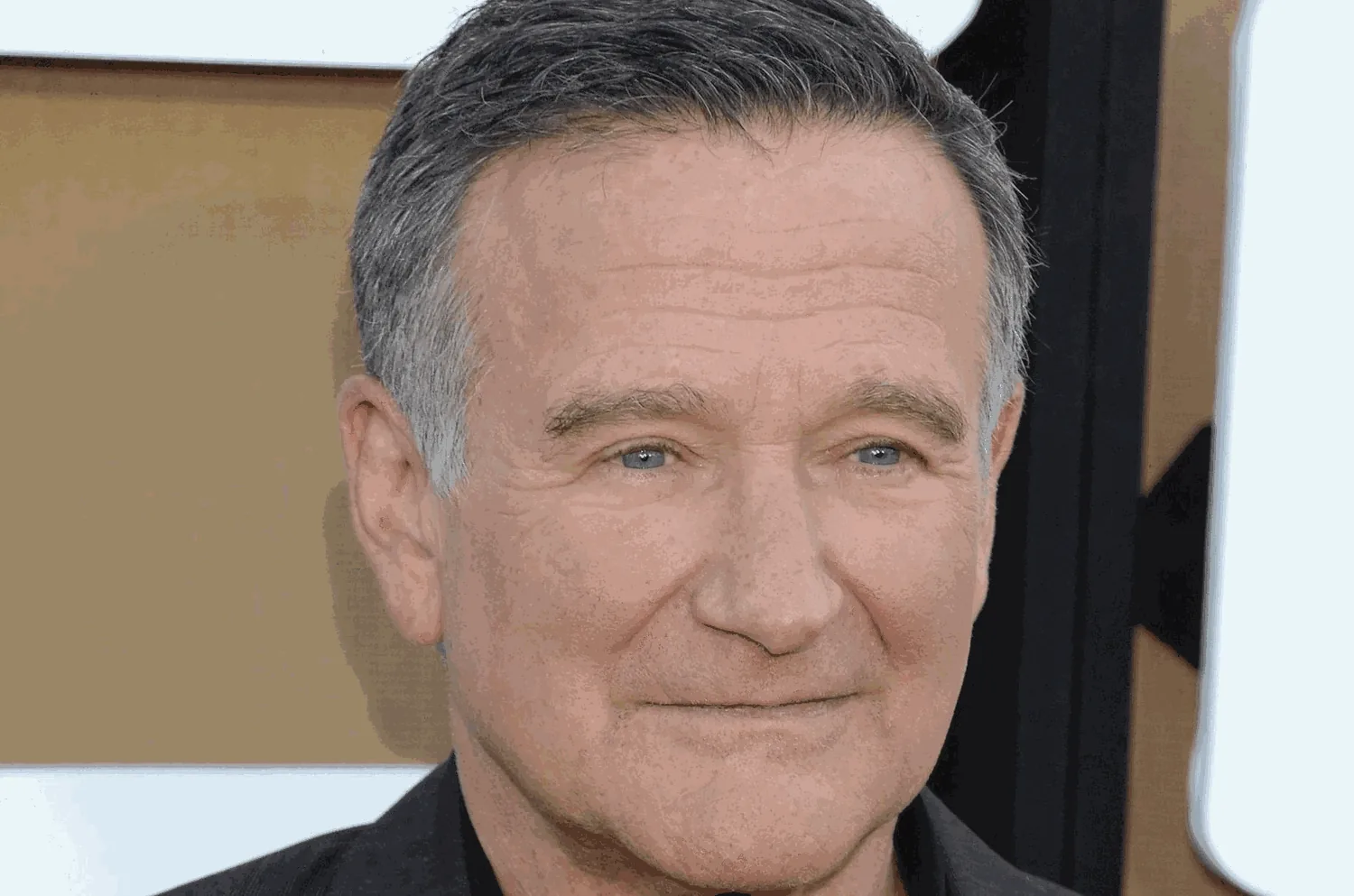
Robin Williams’ children, Zak, Zelda, and Cody Williams, are taking over the late actor’s Instagram account and bringing it back as a trusted place for authentic memories, photos, and videos. The move comes after Zelda Williams publicly criticized the use of AI-generated versions of her father’s voice and likeness.
According to The Verge, citing earlier reporting by The Wrap, the family said in a Tuesday post that the account is meant to reflect Williams’ legacy with authenticity, warmth, and care. The profile had remained inactive after the actor’s death in 2014, making its return notable not simply as a memorial update, but as a response to the broader spread of generative AI content involving real people.
Why the family is acting now
Zelda Williams explained on her own Instagram account that she understood the revived posting might feel strange or even upsetting to some followers. But she said that turning the page into a place where people can find real clips and images of her father is one of the best ways the family has found to push back against what she described as rampant AI abuse of his voice and likeness.
In this context, AI likeness misuse refers to tools that can synthesize a person’s face, voice, or performance in a way that makes it appear they said or did something they never did. For deceased public figures, the problem is especially sensitive: they cannot object, clarify, or consent, leaving families and rights holders to respond after the content spreads.
Zelda had already asked fans last year to stop sending her AI-generated videos of her father. She criticized the way real human legacies can be reduced to content that merely “vaguely looks and sounds” like someone, then circulated as low-quality social media material.
The family’s approach is not just to object to fake content, but to create a more reliable source of real material. In a social feed where synthetic clips can look persuasive, an account maintained by close relatives can help users distinguish authentic archives from AI-made imitations.
Guardrails are still easy to test
The case also reflects a larger challenge for AI platforms. Some chatbots and media-generation systems include restrictions intended to prevent users from creating images or videos of celebrities and public figures. But those protections can be bypassed or applied unevenly.
The Verge article points to several examples:
- OpenAI’s now-shuttered Sora app became a hub for videos involving copyrighted characters and celebrities;
- Wired reported that Grok is still generating sexualized AI deepfakes of famous women;
- ByteDance’s Seedance model reached an agreement with the Motion Picture Association after weak safeguards allowed scenes featuring AI likenesses of Hollywood stars;
- Scammers have used AI versions of celebrities such as Taylor Swift and Rihanna to promote fraud on TikTok.
A “deepfake” is AI-generated media that imitates a real person’s appearance, voice, or movements closely enough to mislead viewers. It can be used for parody or creative work, but also for scams, harassment, sexualized abuse, and reputational harm.
The next phase of celebrity legacy management
Robin Williams’ legacy is closely tied to his voice, improvisational energy, and comic timing, which makes his image particularly vulnerable to synthetic reuse. The question is not whether fans can remember him, but who gets to decide how a deceased performer appears in new media.
As AI lowers the cost of imitating famous people, families, platforms, and model developers face growing pressure to define responsibility. Families want to protect dignity and memory; platforms must identify and limit harmful distribution; AI companies need to show that their safety systems work in real use, not only in policy documents.
The Williams family’s decision points toward a wider trend: celebrity estates may increasingly rely on verified archives, official social channels, and clearer licensing boundaries to preserve authenticity. As generative video and voice tools become more accessible, disputes over AI recreations of deceased artists are likely to become more common. In that environment, the revived Instagram account sends a simple message: before technology manufactures something that looks real, audiences need a place to find what actually is.