
Key Event
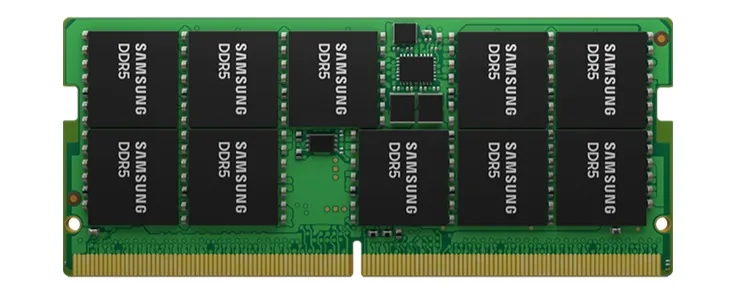
Samsung Electronics is expanding outsourcing of its generic memory module manufacturing to redirect resources toward AI semiconductor backend production. South Korean media THE ELEC reported this on September 15. Core facts:
- Outsourcing partners: Dreamtech, HANYANGDGT, SFA Semiconductor
- Expansion locations: India, Vietnam, Philippines
- Resource reallocation purpose: AI semiconductor backend production
- Current resource misallocation: Yeongam and Cheonan packaging facilities used for DDR5 modules considered wasteful
Strategic Background and Details
Samsung faces severe shortages of semiconductor cleanroom space and manufacturing equipment. The company reportedly views continued use of its Yeongam and Cheonan packaging plants for generic products like DDR5 memory modules and SSDs as a waste of resources. This reflects the growing divergence in downstream applications—advanced AI chips demand higher packaging precision, thermal management, and yield control, whereas generic memory modules prioritize cost and economies of scale.
The three partners’ expansion plans confirm the trend:
- Dreamtech expanding capacity in India
- HANYANGDGT expanding capacity in Vietnam
- SFA Semiconductor expanding capacity in the Philippines
A notable irony emerges: Samsung’s underutilized packaging capacity coexists with AI expansion needs. While the industry focuses on capacity build-out, Samsung must outsource to free internal resources—an approach distinct from Micron and SK hynix, which are pursuing in-house expansion.
Industry Context and Technical Notes
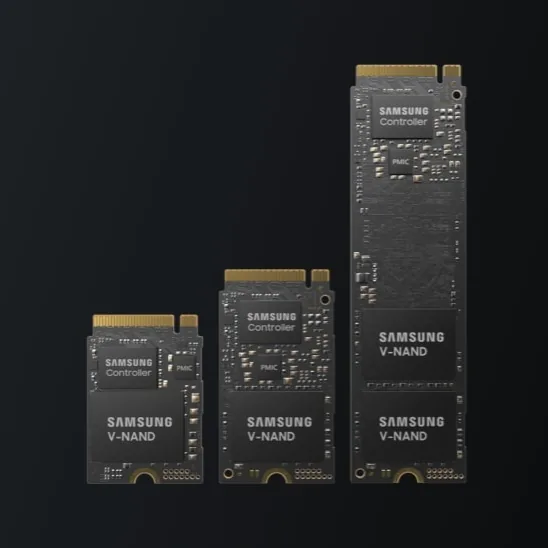
Generic memory modules refer to standardized products such as DDR5 memory sticks and SSDs—lower technical barriers and price-sensitive competition. AI semiconductor backend production, by contrast, involves complex processes like HBM (High Bandwidth Memory) integration and advanced chiplet packaging, requiring stringent cleanroom standards (Class 1000 or better) and precision equipment.
Backend packaging’s value ceiling is rising. Industry consensus holds that advanced packaging now accounts for 15%-20% of total AI chip cost, up from 5% previously. Samsung’s current use of high-grade cleanrooms for generic modules carries substantial opportunity cost—these same facilities, repurposed for HBM or AI ASIC packaging, could generate severalfold higher output value.
Reader Recommendations
- Enterprise buyers needing generic DDR5 modules or SSDs should monitor新品 from the outsourced partners—diversified supply chains may offer short-term pricing flexibility
- Technical developers working on AI acceleration cards or HBM integration should prioritize vendors like Samsung or Micron with proven advanced packaging capabilities; the outsourcing move does not impact their high-end product delivery
Final Thoughts
The semiconductor industry’s tiered survival strategy is crystalizing: material and equipment players profit via technological barriers, while mid-tier IDMs without mass-production advantages in specific niches must use outsourcing to optimize asset efficiency. Samsung’s move reflects a pragmatic response to the轻资产 (light-asset) operational trend.