
Event Snapshot: Shanghai Robot Carnival Focuses on Public Engagement
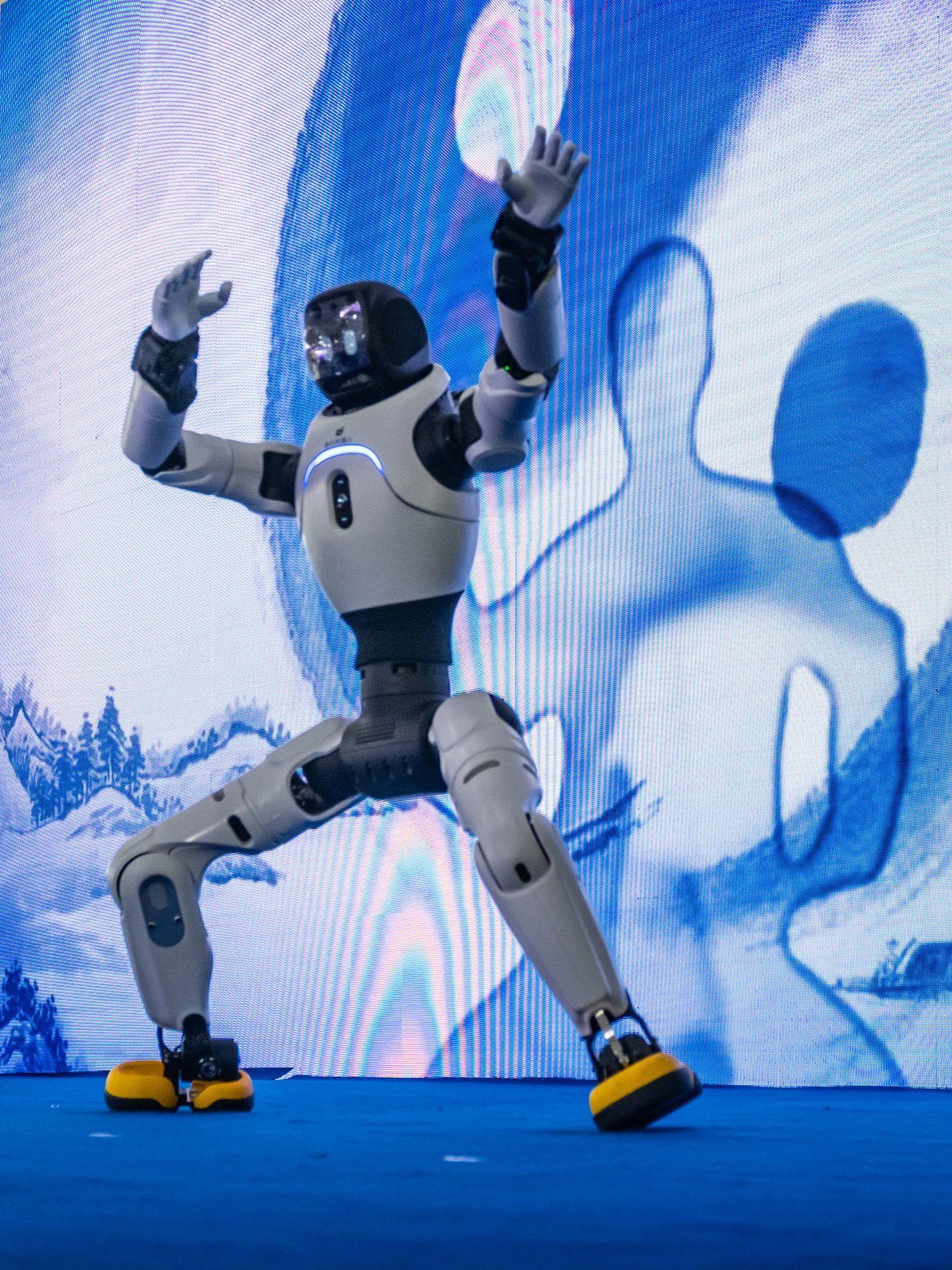
A robot carnival was held around August 25, 2026, at an R&D center on Shanghai’s outskirts. This was not a product launch event but a public exhibition open during a national holiday. No pricing, availability dates, or version comparisons were disclosed; the emphasis was on demonstrating industry capabilities and fostering public familiarity.
Industrial Reality: China Dominates Global Humanoid Output

Data presented at the event revealed that nearly 90% of the over 13,000 two-armed, two-legged robots delivered globally in 2025 were manufactured in China. This output dominance coexists with acknowledged global challenges: humanoid progress elsewhere remains constrained by safety concerns (related to weight and bipedal balance), prohibitively high prices, and limited battery life—issues that keep many roboticists questioning whether the human form factor remains optimal.
The carnival took place in an area housing over 100 robotics companies specializing in practical applications like heavy-load transport and pipeline inspection. Yet today’s showcase leaned heavily toward entertainment: an 11-year-old boy demonstrated his newly purchased robotic dog performing stunts; children learned to program quadrupedal stair climbing; remote-controlled robots exchanged water beads in a competitive setup.
A notable counterpoint emerges: while global humanoid development stalls on fundamentals, Chinese firms are deploying machines in high-visibility public spaces—Shanghai shopping malls, Beijing tourist sites, and even urban marathons—treating exposure as strategic capital.
Key Exhibits: From Coffee Making to Martial Arts
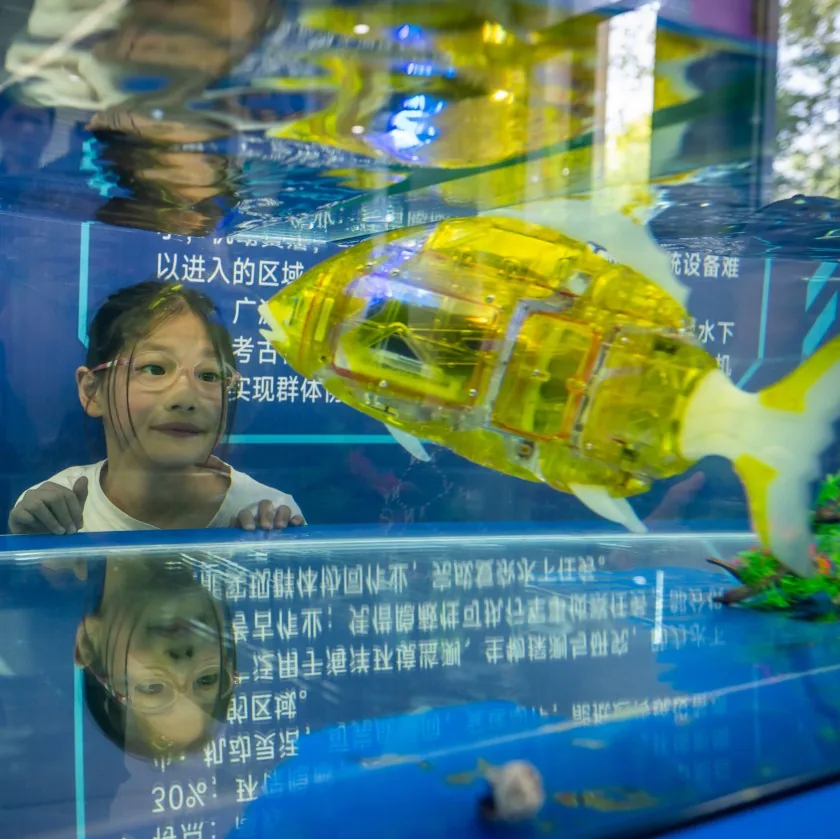
The main tent drew crowds for performances: a humanoid robot executed drunken boxing forms while another completed a front flip; a squad of mechanical lion robots waited nearby. Audience chants of “More, more, more” illustrated emotional engagement.
Demonstration booths highlighted potential utility: DexForce showcased a coffee-making humanoid;隔壁 booth featured dual robotic arms attempting T-shirt folding—a proxy for domestic task automation. These exhibits align with China’s policy push toward embodied AI, which embeds intelligence into physical bodies capable of interacting with the real world.
Practical Takeaways for Readers
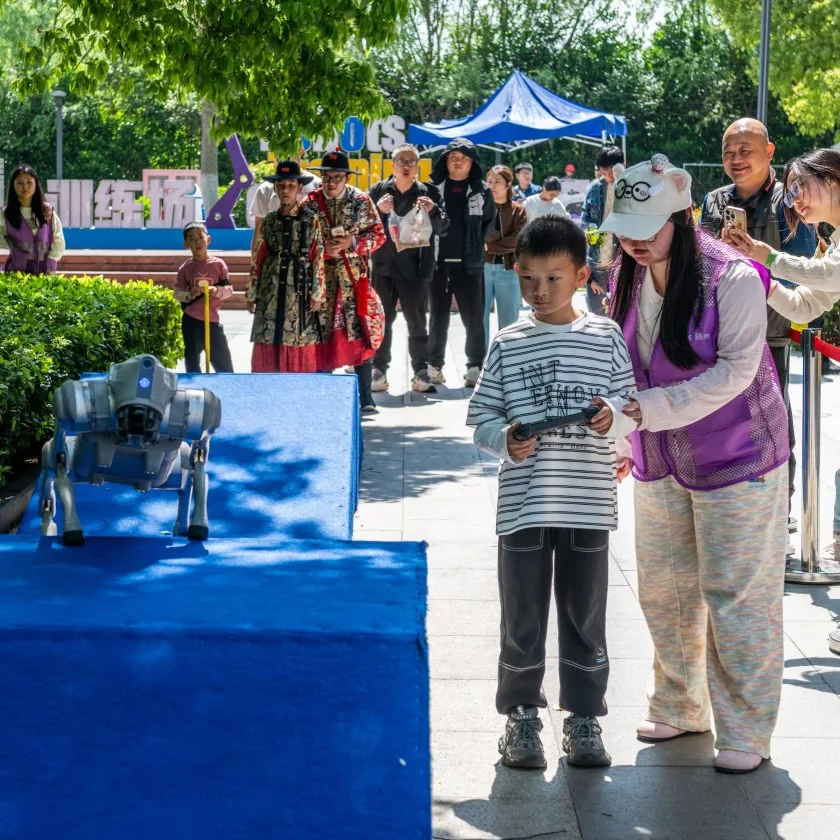
- Early adopters: Families interested in robotics, particularly with children aged 10+, can benefit from such carnivals as accessible entry points; hands-on workshops lower technical barriers
- Wait-and-see users: No consumer-grade humanoid is yet recommended for home use. Prudence is warranted until battery life, safety certifications, and cost-effectiveness improve—a set of universal industry hurdles
- Industry watchers: China’s “high-frequency public exposure” approach diverges from Western enterprise-first strategies. This may accelerate cultural acceptance but carries risks around setting unrealistic expectations
Final Thoughts
Chinese firms are advancing humanoid robotics via dual strategies: high-volume output and high-publicity demonstrations. While the strategic prioritization of visibility over technical maturity invites debate, this approach undeniably reshapes public perception—potentially creating demand pathways that technical perfection alone could not achieve.