
Compute Is Becoming a Market Problem
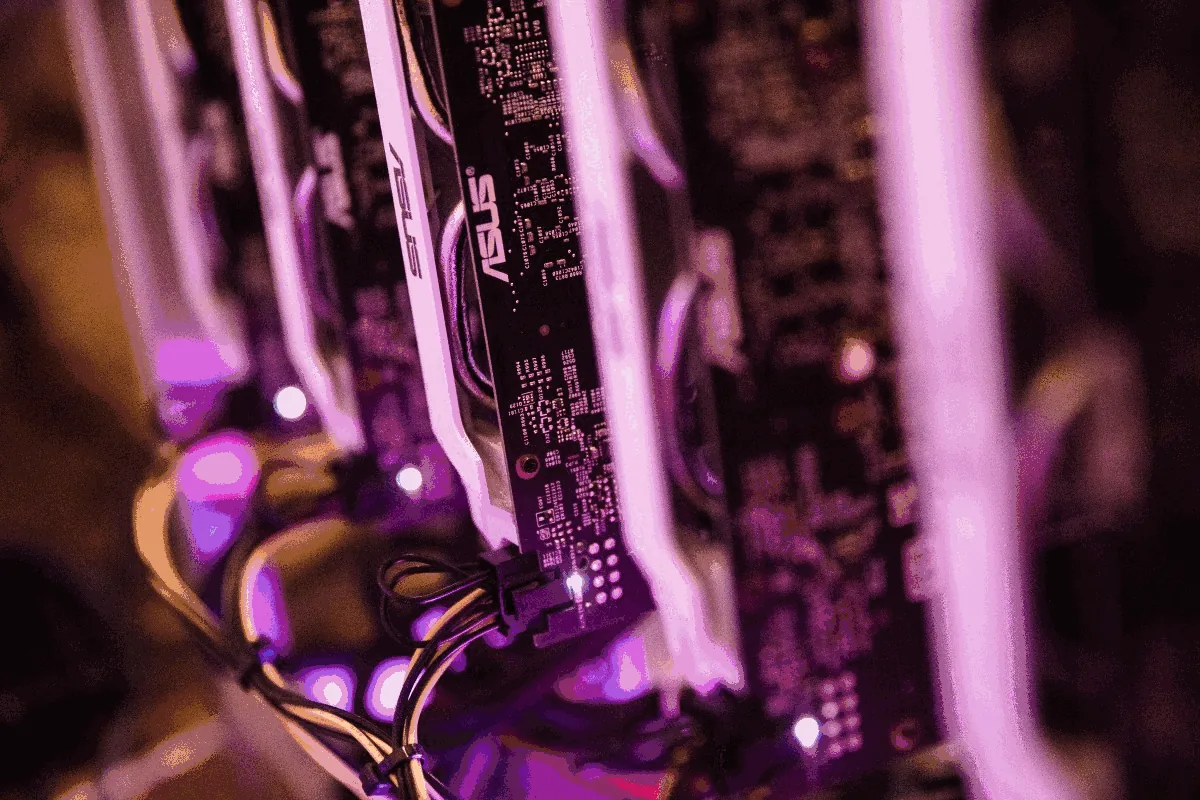
Silicon Data is trying to give AI compute something it still lacks: a widely accepted market price. As spending on data centers and GPUs continues at a scale of hundreds of billions of dollars a year, compute has become one of the largest cost items for companies building AI products.
Yet the market remains difficult to read. GPU rental prices can vary across providers and contracts, and there is no simple benchmark that lets buyers, sellers, lenders, and investors agree on what compute is worth at a given moment. That gap is what Silicon Data wants to address.
The Startup’s Plan
According to TechCrunch, Silicon Data has closed a $30 million Series A round. The company aims to become the reference price for GPU rental and to create an index that could be used to settle a Wall Street futures contract.
Key facts from the report:
- Funding: Silicon Data raised a $30 million Series A.
- Product focus: A benchmark for GPU rental pricing.
- Financial market role: An index intended for futures contract settlement.
- Timing: The company plans to launch compute futures trading on the CME on October 5, pending regulatory approval.
A futures contract is a financial agreement tied to a future price. In this case, the relevant asset would not be a physical GPU but an index linked to GPU rental pricing. If adopted, such a market could allow companies and investors to manage exposure to changes in compute costs.
Why Wall Street Cares
AI infrastructure has moved beyond a technical supply-chain story. When a cost category becomes large, volatile, and strategically important, financial markets typically look for ways to measure it and hedge it. That is what already exists in many mature commodity and rate markets, and Silicon Data is arguing that compute now needs similar infrastructure.
For AI companies, a benchmark could help compare contracts and plan budgets. For investors, it could become a signal of supply and demand across the AI buildout. Rising compute prices might suggest tight capacity or strong demand, while falling prices could point to weaker demand, new supply, or changing deployment patterns.
A Counterpoint to the Doom Headlines
On TechCrunch’s Equity podcast, Rebecca Bellan spoke with Steve Hou, Silicon Data’s head of research, about the health of the AI buildout. The discussion focused in part on why the company’s data may tell a different story from more pessimistic narratives about depreciating chips and stalled data centers.
That matters because a benchmark is not just a trading tool. It can also function as a market signal. If GPU rental prices are measured consistently, they may help observers understand whether AI infrastructure demand is accelerating, stabilizing, or weakening.
What Comes Next
Silicon Data’s proposal reflects a broader shift: AI compute is becoming not only an engineering resource but also a financial risk. The success of this effort will depend on regulatory approval, market participation, and confidence in the index methodology.
If GPU rental benchmarks gain traction, AI companies may eventually manage compute the way energy-intensive businesses manage fuel or electricity exposure: not only by buying capacity, but also by planning around price volatility.