AI Office Race Intensifies: Giants Launch Full-Scale Campaigns
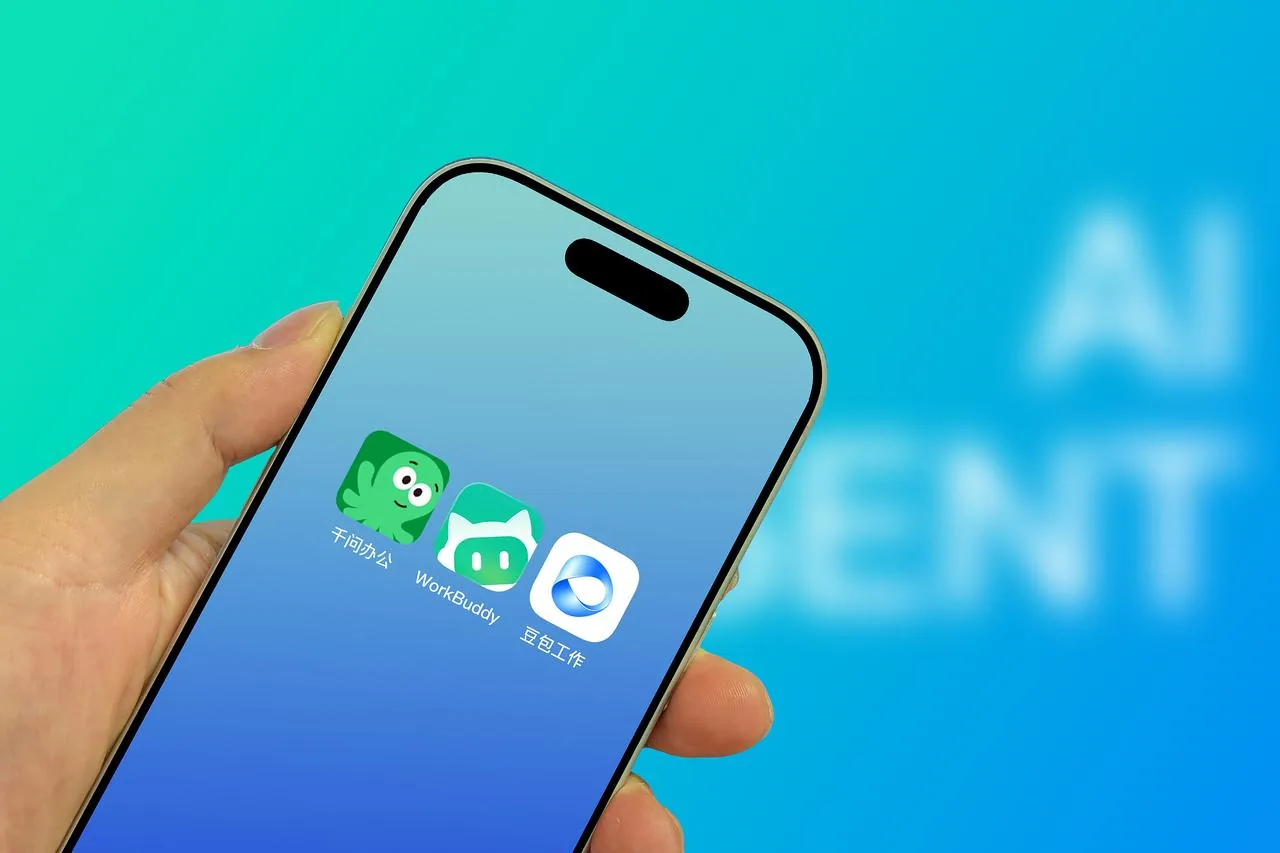
This summer, China’s three tech giants formally escalated AI office to strategic priority: ByteDong consolidated the TRAE and Koui teams along with Feishu’s product team into Doubao Work; Tencent’s WorkBuddy already achieves 10 million monthly active users; Alibaba focuses on integrating desktop Agent, cloud Agent, and DingTalk capabilities. This is not iterative product upgrades but systemic restructuring — WorkBuddy surviving “standing on the bodies of many failed projects”; Feishu’s integration into Doubao Work signals office software evolving into an Agent-callable engine.
The “ChatGPT Moment” Has Turned, Pricing Anomalies Revealed

Domestic models recently crossed a critical threshold: GLM-5.3-Flash and DeepSeek-V4-Flash not only improved instruction-following but dramatically reduced costs. 创新工场’s Wang Hua noted that the early-year “Xiaolongxia boom” was merely a developer/booty phenomenon, hindered by weak models, high configuration barriers, and immature Harnesses. The inflection arrived recently: model/Harness advancement and cloudification enabled consumer-grade Agent experience. WorkBuddy is treated by Tencent as a consumer-grade app prioritized for polish, evolving from a developer toy to smartphone-app experience.
A key counterintuitive data point: monthly active users in the tens of millions is insufficient motivation for giant-level Warfare, yet clear commercial logic emerged in AI office — Claude Code reached $20 billion ARR before hitting 10M MAU. Giants fear losing high-value economic entry points more than user scale.
Model and Harness Determine Winners, Product Differentiation Emerges
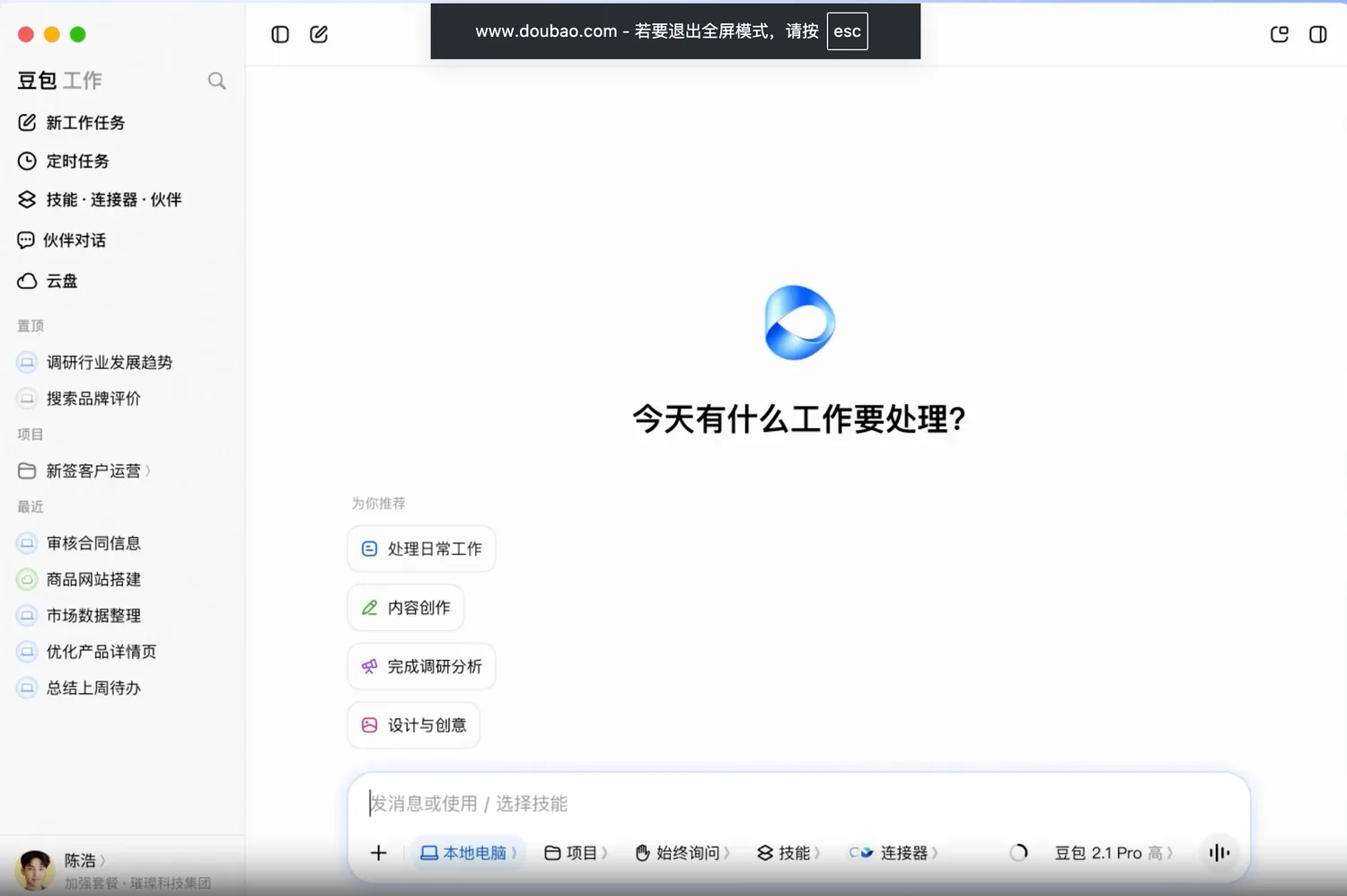
Current Agent products stratify into three tiers: enthusiast (early Xiaolongxia), expert, and mass-market. Giants select divergent paths:
| Dimension | WorkBuddy (Tencent) | Qwen Office (Alibaba) | Doubao Work (ByteDong) |
|---|---|---|---|
| Product Style | Minimalist, rapid iteration | Engineering-focused, model pipeline | Youthful, content-forward |
| Model Strategy | Open multi-model integration | Proprietary-first | Ecosystem-locked |
| Interaction Logic | Chat panel + file system | MCP/command-line compatible | Pre-set scenarios |
Tencent’s open model selection proved critical — when long-form Agent demands model intelligence, ByteDong was constrained by proprietary model limitations while WorkBuddy could access best-in-class ecosystems.
##落地 Recommendations: Match Product to Usage and Willingness to Pay
- Ready to adopt: Professional workers (developers, legal, finance) with clear付费willingness, can try WorkBuddy/Doubao Work. Deep users formed habits early; developers and experts accept 68-98 CNY/month; top users charge 2,000-3,000 CNY daily.
- Wait further: Non-experts seeking maximum model quality;重度users requesting heavy本地deployment, pending end-of-year consumer-device capabilities for 27B-70B models.
Floatboat.ai’s Tan Shaoqing notes current WorkBuddy-style products are transit形态 — smarter Agents need fewer middleware layers; future will shift to “Agent-centric” interaction.
Final Word
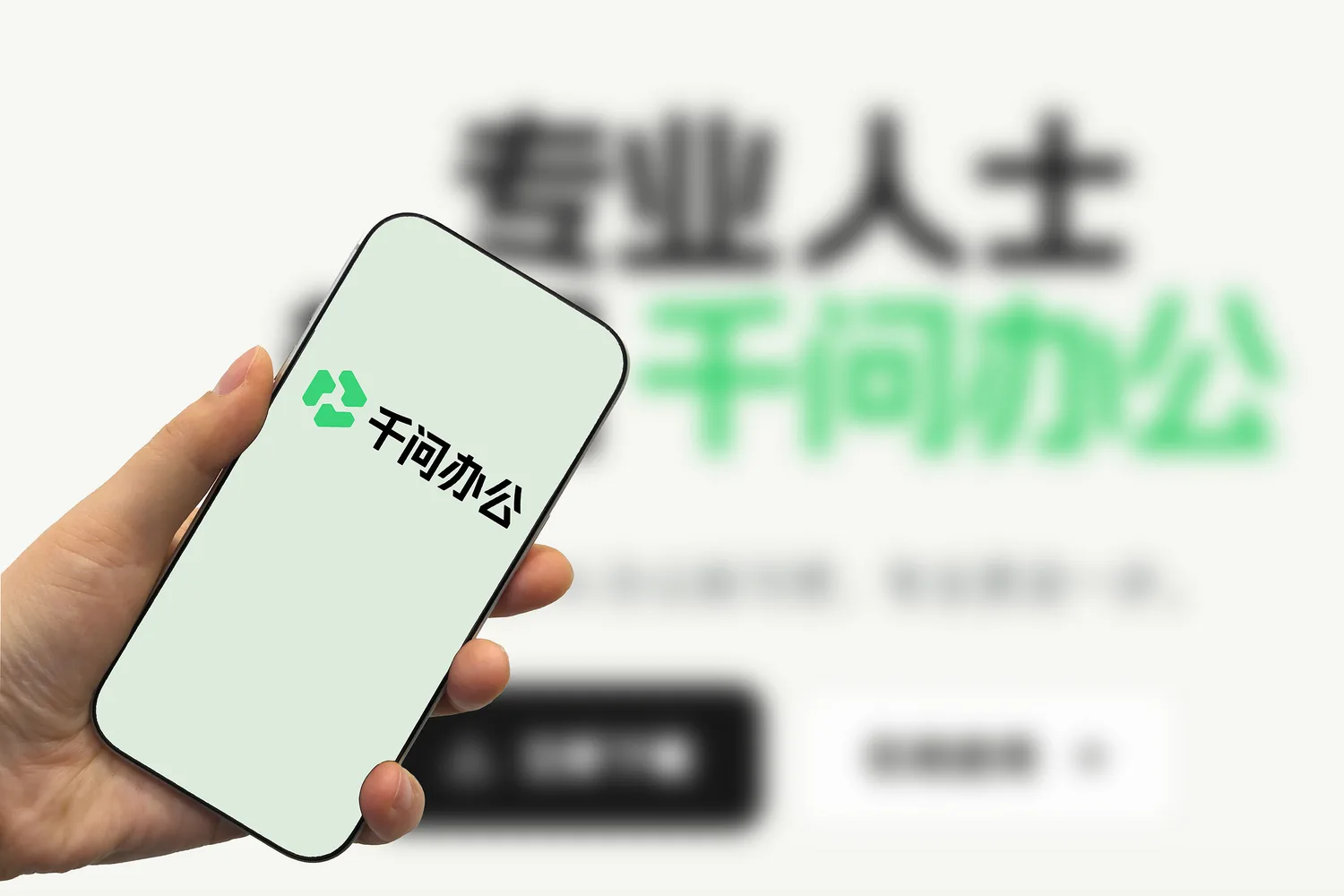
Giants completed market education with tens of billions, inadvertently paving the way for startups: Tencent/Alibaba/ByteDong jointly validated付费willingness and productivity value. Yet Wang Hua emphasizes giants’ sole real advantage is capital, and user-platform entry tickets likely don’t exist — Agent is fundamentally “capability, intelligence, computational形态**, not a captivity platform. Entrepreneurial advantage from proximity to open-source ecosystems is emerging as a new variable.