A nuclear pitch aimed at AI load growth
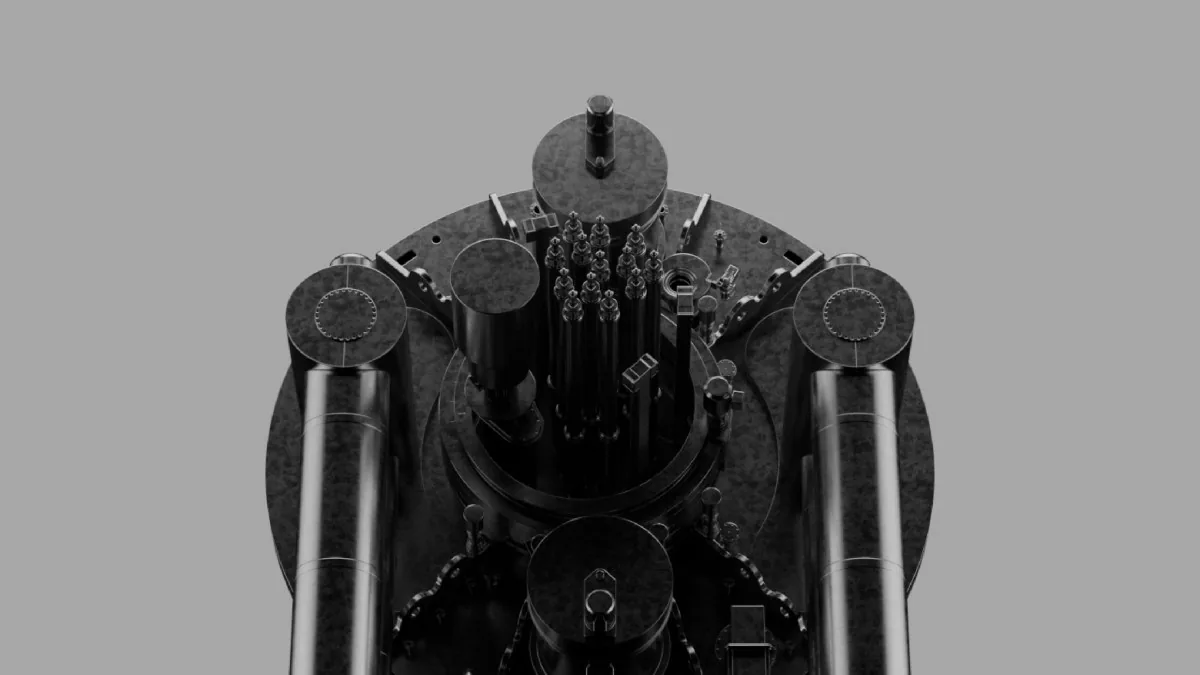
TerraPower is moving its Natrium nuclear design toward the data center market, where AI workloads are creating demand for power that is both constant and flexible. Bloomberg reported that the Bill Gates-founded company plans to announce its first data center project this year.
The customer has not been named. TerraPower previously said in January that Meta had agreed to buy eight Natrium power plants. The data center project is expected to break ground in 2027 and would be the company’s second power plant; its first is already under construction in Wyoming.
Why ordinary baseload is not enough
Nuclear power is attractive to data centers because reactors can run for long periods at high output. In the U.S., nuclear plants have a 92.5% capacity factor, meaning they operate near maximum output far more consistently than most other generation sources.
But AI data centers do not always consume power smoothly. GPU clusters can ramp up when training models or answering prompts, then fall back quickly. Existing reactors are comparatively slow to adjust, changing output by about 5% of rated capacity per minute, according to the National Laboratory of the Rockies. Small modular reactors, or SMRs, may respond faster at roughly 10% per minute, but running nuclear assets below full output can hurt economics.
Key figures from the report include:
- 92.5% U.S. nuclear capacity factor;
- about 5% per minute ramp rate for existing reactors;
- about 10% per minute for many SMR designs;
- 345 megawatts for TerraPower’s molten salt-cooled reactor design.
TerraPower’s differentiator: thermal storage
TerraPower’s advantage is that its plant is designed with energy storage. Instead of forcing the reactor itself to follow rapid demand swings, the system keeps the nuclear reaction running and stores excess heat in a large reservoir of molten sodium. When demand rises, that stored heat can be used to make more steam and drive turbines.
The concept was originally intended to help nuclear plants work alongside intermittent wind and solar generation. Data centers create a similar operational challenge from the demand side: power needs can change quickly, and the supply system must absorb those changes without wasting expensive generating equipment.
That makes TerraPower’s approach different from a conventional baseload pitch. It pairs nuclear power’s high utilization with a buffer that can help serve variable AI workloads or renewable-heavy grids.
What still has to be proven
The business case is not settled. Nuclear plants have some of the highest capital costs of any generating technology, and early SMR projects are expected to be expensive. Startups hope factory-style manufacturing will reduce costs over time, but that has not yet been demonstrated and could take a decade or more to show results.
For data centers, batteries are one way to smooth demand spikes, but large battery banks add cost. The article also notes that gas turbines have struggled under the stress of rapid load swings. TerraPower’s thermal storage could reduce some of that pressure while keeping costly nuclear equipment productive for more hours.
The direction of the market is clear: AI infrastructure is pushing power buyers to seek clean, reliable and controllable electricity. If TerraPower can execute its projects and prove that storage-backed nuclear can handle data center volatility, it may gain a real edge. The next test is not only reactor design, but construction delivery, financing and cost control.