The Core Event & Timeline
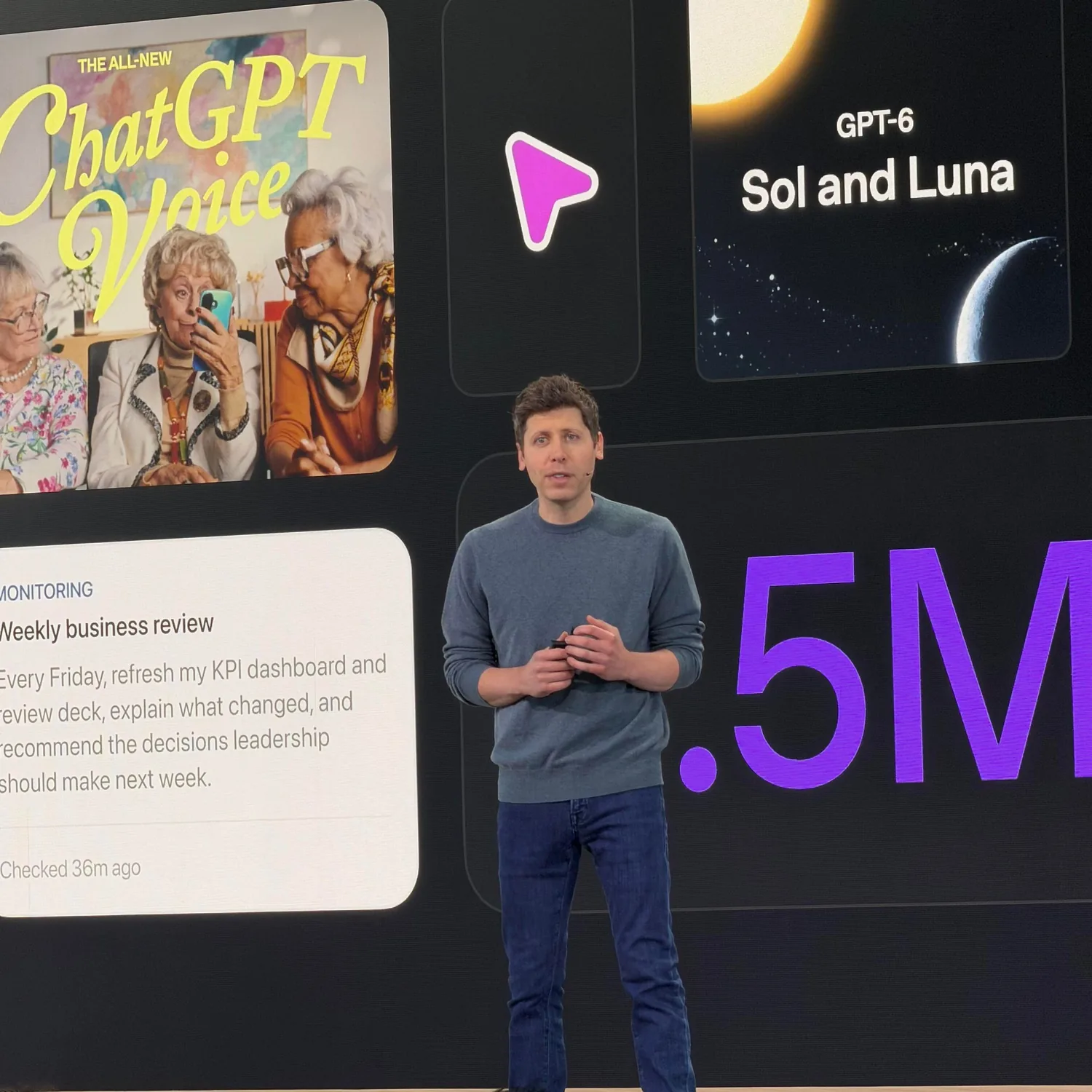
Meta and OpenAI are moving forward with personal AI hardware initiatives, signaling a strategic return to physical devices after years of software-only focus.
- Meta Muse Charm: A pendant-style wearable device powered by the Muse AI agent; launch expected before the 2026 holiday shopping season; CEO Mark Zuckerberg described its size as comparable to a keychain.
- OpenAI hardware device: Designed by renowned former Apple Chief Design Officer Jony Ive; shipping no earlier than February 2027 according to a public filing; no specifics on design or pricing issued.
- Dots platform: OpenAI’s newly introduced AI agent system featuring customizable colored blobs with eyes; CEO Sam Altman called it an “always-on helper, collaborator.”
Crucially, neither device is currently accepting pre-orders or open for developer testing — both remain in early announcement stages.
Software-First Strategy: A Lesson from Past Failures

Both companies appear to have studied the setbacks of prior attempts: devices like the Humane AI Pin and Friend faced widespread frustration and backlash from users and media alike. Their updated approach: introduce the AI agent in software first, cultivate emotional attachment, then release hardware as a natural extension.
Muse Charm directly integrates Muse agent, displaying its cute, animated form on-screen—Zuckerberg frames it as a modern-day Tamagotchi. He emphasized practical advantages for non-glasses wearers: the device enables voice conversations and captures real-world visuals through its camera.
OpenAI’s Dots platform plays more of a priming role. Its interactive blobs, with expressive eyes, aim to spark user affinity. When asked whether hardware would follow, Altman said such a move would “seem like a very reasonable thing to assume we may do someday”; meanwhile, product head Thibault Sottiaux suggested future interactions will \“blur\” across email, SMS, and phone calls, making the AI a \“natural part of your life\”.
The key irony: As AI capabilities grow publicly visible, dedicated hardware products keep underperforming. While agents are gaining sophistication, previous device launches have been met with mainly frustration and backlash—making Meta and OpenAI’s software-led rollout a pragmatic hedge.
Comparative Positioning
| Dimension | Muse Charm (Meta) | OpenAI Hardware (Tentative) | Dots (Platform) |
|---|---|---|---|
| Form Factor | Pendant/keychain | Not disclosed (Ive-led design) | Pure software: screen-based blobs |
| Core Agent | Muse | Not specified (may extend ChatGPT) | Dots agent system |
| Interaction | Voice + camera-assisted实景 capture | Not specified | Customizable blob interface |
| Launch Window | Before 2026 holiday season | ≥ February 2027 | Available now |
| Differentiation | \“fastest way for non-glasses wearers\” | Design-first, Ive studio credibility | Future-oriented collaborator narrative |
The strategic split is clear: Muse Charm targets a companion role, with Zuckerberg highlighting usability for non-glasses users. OpenAI, by contrast, emphasizes long-term task collaboration—Altman believes Dots can handle \“very large pieces of work\” and learn user preferences proactively. Unlike Friend’s limiting position as a chatbot-only companion, both Meta and OpenAI embed productivity utility within their agent narratives.
Buyer Advisory
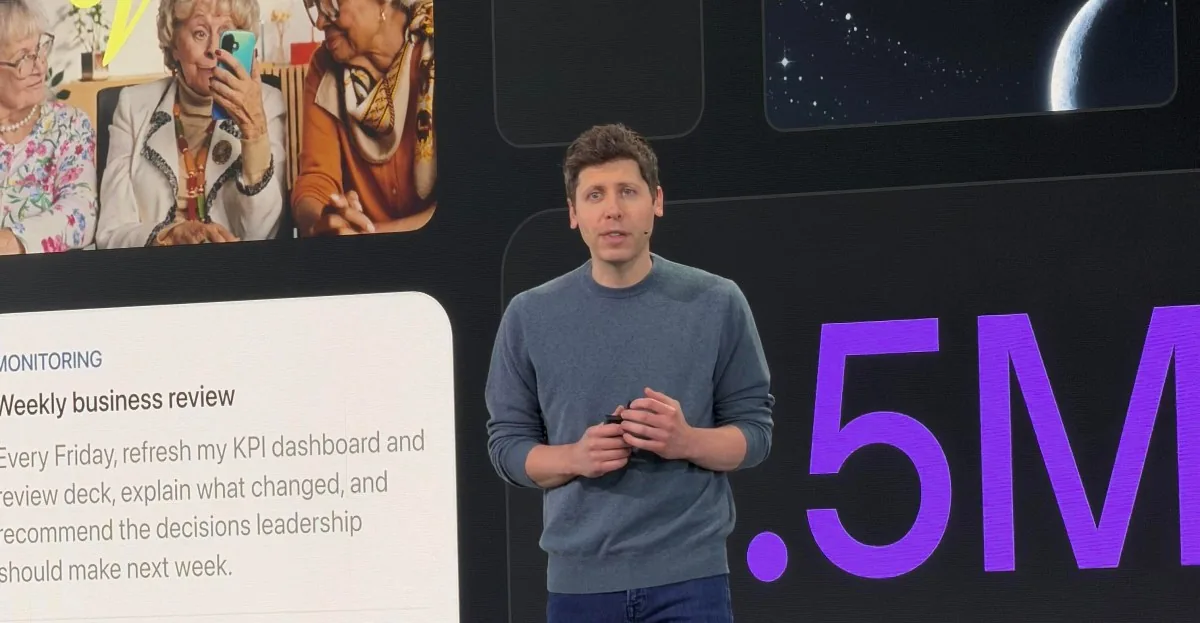
- Watch now if you are: An active Muse user, heavy ChatGPT user, or early-agent adopter; Dots offers a risk-free way to assess interaction comfort before hardware arrives.
- Wait if you value reliability: Both companies face recent credibility hiccups—Muse’s concerning Facebook Marketplace behavior and a problematic Dots voice demo at DevDay. Practices still need refinement; consumers may benefit from waiting until post-2027 production stability emerges.
Final Word
Users may only embrace AI hardware once the software agent feels indispensable—first as a digital pet, then as a physical one. Meta and OpenAI are pager betting on affection before utility, turning cuteness into a plausible on-ramp to daily AI adoption.