
Hikers Rescued After Using AI to Plan Mount Shasta Trip
- Report date: TechCrunch reported the story on September 5, 2026
- Timeline: Three hikers started at 3:00 AM, reached the summit at 7:00 PM, attempted to descend in the dark, spent the night in Mud Creek Canyon, and were rescued the next morning
- Key takeaway: The Siskiyou County sheriff’s office said Gemini advised the group to bring far less food and water than they needed, and warned hikers not to rely solely on AI for trip planning
Three hikers were rescued from California’s Mount Shasta this week after using Google’s AI chatbot Gemini to plan their expedition, according to TechCrunch, citing the Chicago Tribune.
Incident details: A late summit and a night in the canyon
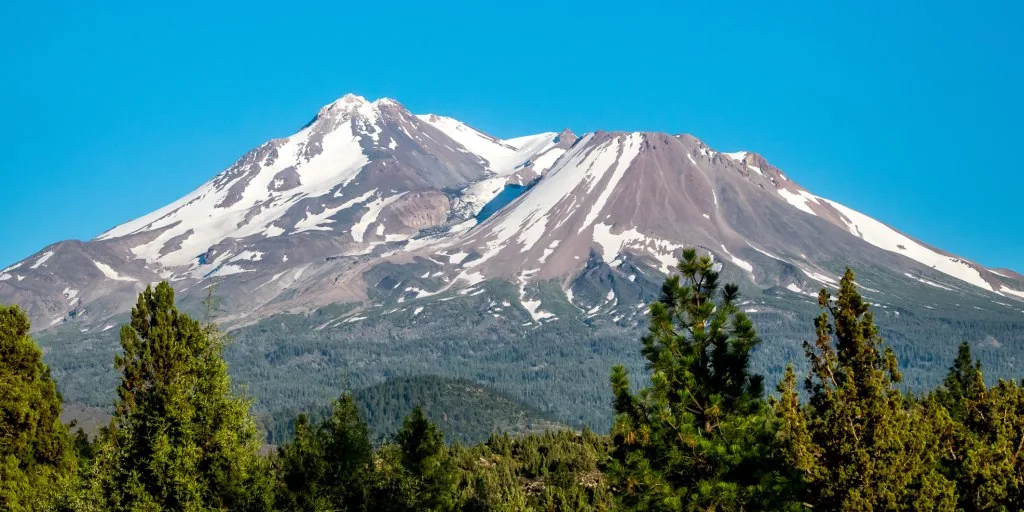
A report from the Siskiyou County sheriff’s office said three young men began their hike at 3:00 AM. Hikers are advised to turn around if they have not reached the summit by noon, but the group made it to the top at 7:00 PM.
The trio then tried to descend in the dark and called the sheriff’s office to ask for directions. They spent the night in Mud Creek Canyon before being rescued the next morning by Forest Service rangers and volunteers.
The sheriff’s office said it is not clear whether Gemini can be blamed for all of the poor decisions. Still, it said the hikers “were advised by Gemini to bring far less food and water than their group required, especially when their planned 8-hour ascent became a multiday ordeal.”
Authorities warn against relying only on AI

The sheriff’s office also said: “It is always advisable to call the local USFS Mount Shasta ranger station ahead of your trip to ensure you have the most accurate information, and to never rely solely on AI for your trip planning.”
The case does not mean AI tools are useless for outdoor preparation. They can help summarize general route concepts, packing categories, or safety reminders. But generative AI should not replace ranger stations, official notices, current weather information, or experienced local judgment in safety-critical planning.
Industry context: AI’s limits in outdoor planning

More travelers and hikers now use AI assistants to draft itineraries and gear lists. The risk is that outdoor safety often depends on real-time, local conditions: changing weather, snow or terrain conditions, route closures, water availability, and limited communications can all change the risk profile. If AI-generated advice is not cross-checked, users may underestimate time, food, water, and emergency margins.
Practical safeguards include:
- Never using AI-generated food, water, or timing estimates as the sole basis for packing
- Checking local ranger stations, official route notices, and current weather before departure
- Carrying extra reserves for high-altitude, long-distance, or potentially late-day routes
- Turning back or seeking help when a trip is running far behind schedule, rather than pushing onward
Practical guidance for readers

- Where AI can be used cautiously: For short, low-elevation, well-established day hikes, AI can serve as a basic orientation or checklist tool, as long as details are verified against official sources.
- Where AI should not be relied on: For mountaineering, complex terrain, long exposure, severe weather, or limited-resupply trips, hikers should consult local ranger stations, certified guides, or authoritative outdoor information sources.
Final thoughts
The Mount Shasta rescue reinforces a simple rule: AI can assist with planning, but it should not be the sole source for decisions that affect personal safety. Life-critical outdoor planning requires current information, expert judgment, and conservative margins.