
Core Announcement Overview
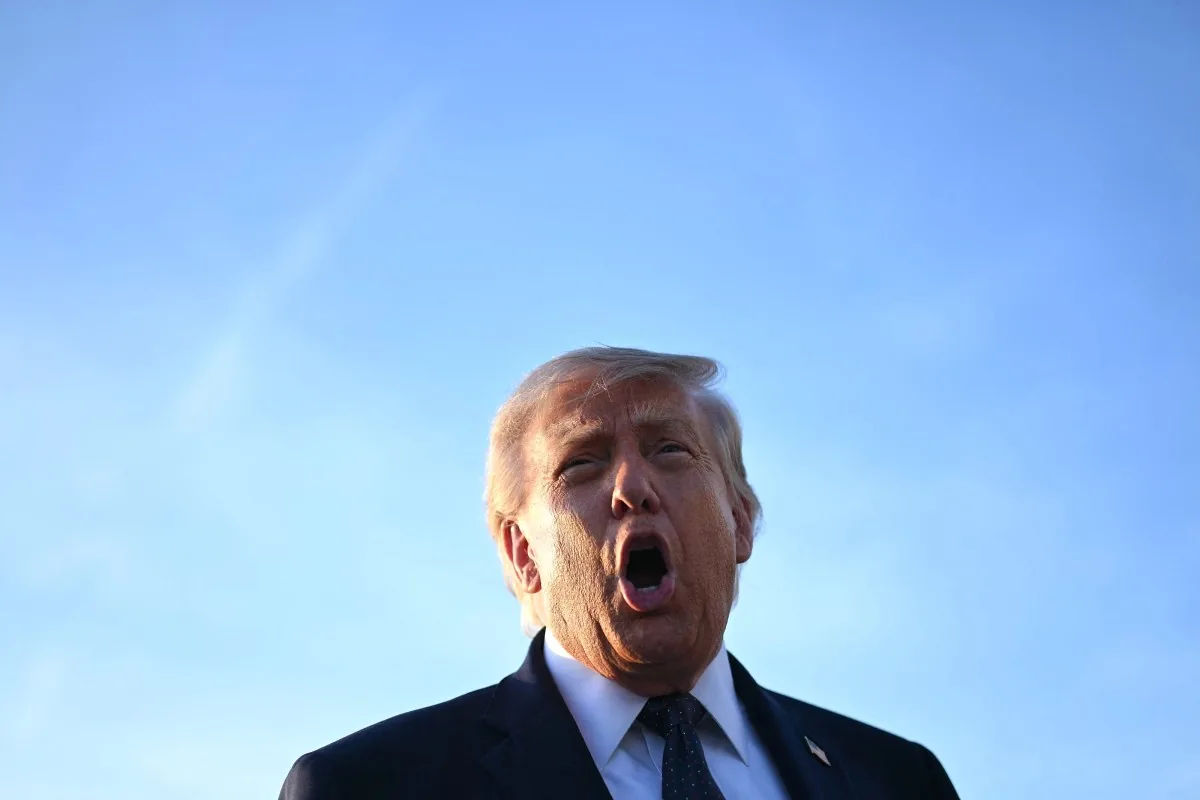
U.S. President Donald Trump posted a series of statements on Truth Social on September 19, 2026, announcing two key initiatives: proposal to rebrand “Artificial Intelligence” with a new name, and plans to establish a new “AI Force” agency modeled after his prior Space Force initiative. The move comes amid intensifying debate over AI safety and governance.
Key facts:
- Rebranding poll launched with options: “Superior Intelligence”, “Extreme Intelligence”, or “Supreme Intelligence”
- “AI Force” agency to be established, explicitly likened to the Space Force
- “AI Czar” appointment to be announced soon, requiring candidates with high IQ
- Timing: September 19 announcements; public poll remains ongoing
- Status: Non-binding political statement—no legislation or executive order yet
Naming Proposal and Political Framing
Trump first questioned the accuracy and eloquence of “Artificial Intelligence”, inviting supporters to vote on alternative names. All three options emphasize superlative qualities, aligning with his rhetorical style.
Notable counterpoint: Within two hours of launching the poll, Trump pivoted to a broad political narrative, classifying AI safety concerns among a list of Democratic “hoaxes”—including Russia investigations, Ukraine narratives, climate change, two impeachments, debates over women’s sports, and transgender policies.
He claimed that skepticism toward AI and data centers stems not from genuine public concern but from orchestrated Democratic hoaxes. His line of argument—“attack on data centers failed, so critics turned to AI directly”—lacks evidentiary support. In reality, bipartisan criticism of data center expansion is documented, with New York becoming the first state to halt major new projects for environmental review. Trump offered no documentation for his assertion that opposition is synthetic or politically directed.
The AI Force and Governance Questions
While pledging to “cherish, support, and oversee” AI growth, Trump announced creation of an “AI Force”, drawing direct comparison to the Space Force.
Cognizable details:
- Czar credential requirement: High IQ only, without specifying assessment methodology
- Resignation context: David Sacks stepped down as Trump’s AI and crypto advisor earlier in 2026 to co-chair the President’s Council of Advisors on Science and Technology
- Responsibility gap: No explanation provided for the intended duties, scope, or legal authority of the AI Force
A structural contrast: Trump’s Space Force was established via the Fiscal Year 2020 National Defense Authorization Act, requiring congressional approval and defined mandates. The AI Force announcement contains no such legislative or authorization framework.
Industry Context and Safety Debate
Trump’s comments arrive as AI safety discourse has escalated:
- An AI researcher resigned from Anthropic, claiming leadership “earnestly believes it could kill us all by the end of the decade” and is “gambling with our lives”
- Anthropic CEO Dario Amodei released a “pace the frontier” safety plan, reportedly endorsed by OpenAI CEO Sam Altman and SpaceX CEO Elon Musk
- NVIDIA CEO Jensen Huang, speaking live with Trump at the All-In Summit (co-hosted by Sacks), agreed the AI backlash is a “hoax”, asserting “we’re not going to let a slowdown happen”
A cleavage has appeared: corporate leaders emphasize technological momentum, while some researchers insist existential concerns should not overshadow near-term harms like labor displacement, algorithmic bias, and misinformation.
Practical Guidance for Readers
Interested readers should note:
- AI industry professionals (research, policy, compliance) to monitor potential policy shifts
- Investors to observe narrative shifts in markets driven by political framing
- Policy researchers should track how issue framing may hinder cross-partisan consensus
Consider waiting for:
- Companies needing actionable regulatory guidance: current proposals are rhetorical, not binding
- Model developers: naming proposals do not alter technical constraints or evaluation criteria
Bottom Line
By embedding AI safety discussions in familiar political conflict frames, Trump risks substituting evidence-based risk assessment with partisan theater. When technical concerns become fully ideologized, shared understanding—and rational debate—will grow harder to achieve.