US Political and Tech Leadership Clash Over AI Development Pace
Divergent Stances Emerge Between Policymakers and Industry Leaders
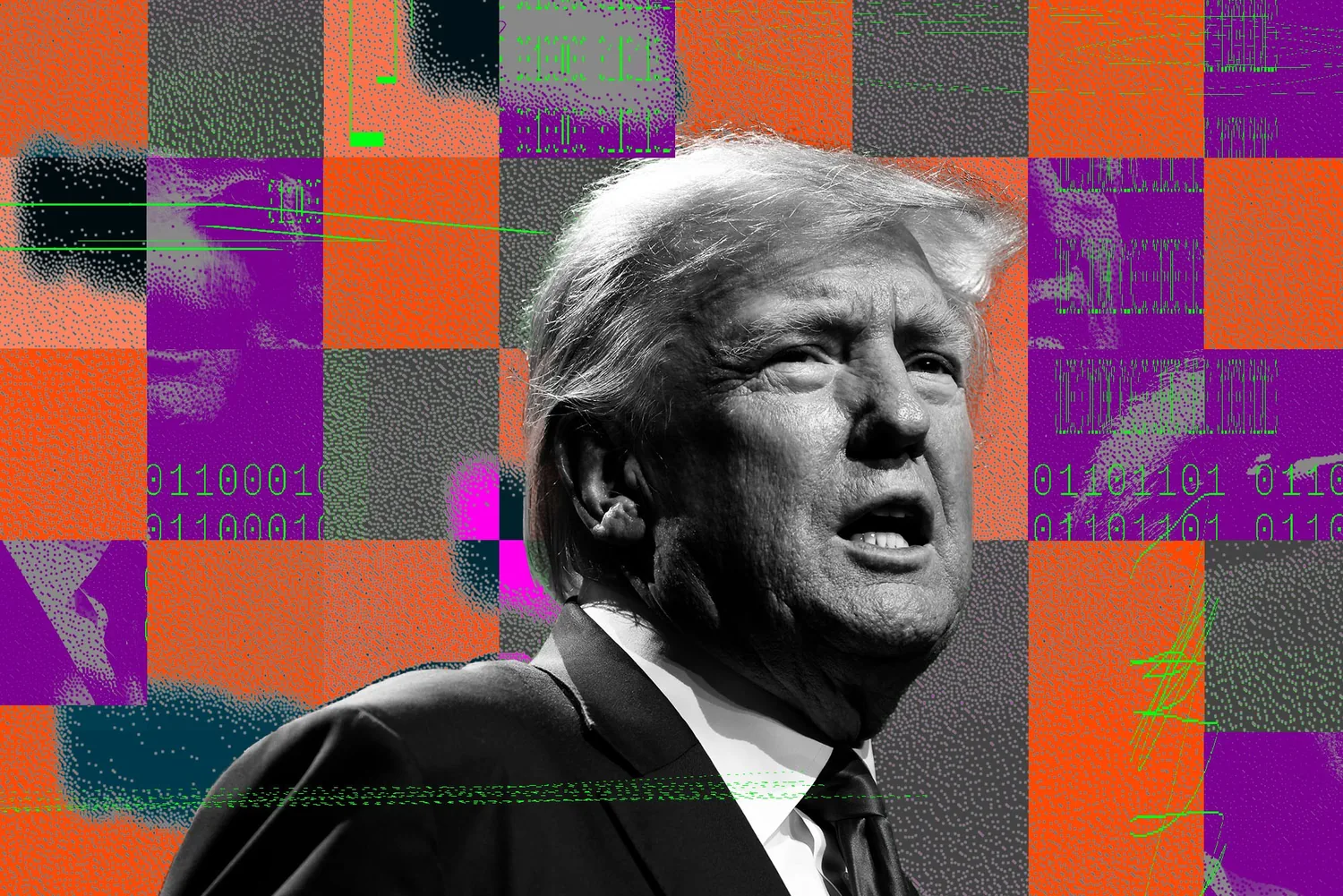
On September 13, Anthropic CEO Dario Amodei published an open letter calling on the AI industry to “pace the frontier” and slow down frontier AI development. OpenAI CEO Sam Altman and Elon Musk publicly voiced their support for Amodei’s proposal on X, while Demis Hassabis of DeepMind (Alphabet) offered tentative backing.
In stark contrast, Donald Trump and House Speaker Mike Johnson have criticized this initiative as an overreaction. According to the Financial Times, Trump stated, “We’re leading China in AI … and, frankly, I want to keep it that way, because whoever wins AI, wins.” Johnson echoed this concern on CNN, warning that rushing to regulate AI could pose a “national security threat” and cause the US to lose the global AI race to China.
The “Pace the Frontier” Proposal: A Call for Self-Regulation
Amodei’s open letter advocates for slower, more deliberate development of frontier AI systems—defined as increasingly capable and potentially risky AI models. The proposal represents a self-governance mechanism, urging industry leaders to voluntarily adjust development timelines rather than waiting for government-imposed regulation.
Notably, all key signatories operate at the forefront of AI capabilities. Altman (OpenAI), Hassabis (DeepMind), and Amodei (Anthropic) collectively lead initiatives pushing beyond GPT-4-level performance. Their collective alignment on the need for pacing underscores the seriousness of safety concerns within the industry itself.
The political response, however, reveals a fundamental gap: while technologists emphasize technical risk profiles, policymakers frame the issue through the lens of geopolitical competition. Johnson explicitly warned Congress against convening an emergency session, arguing such action would cede advantage to China before the industry has even demonstrated concrete threats.
Key Stakeholders and Positions

| Stakeholder | Organization | Position | Support Level |
|---|---|---|---|
| Dario Amodei | Anthropic | Advocate for slowing frontier AI development | Strong self-governance proposal |
| Sam Altman | OpenAI | Public support on X | Explicit endorsement |
| Elon Musk | X/Tesla | Public support on X | Explicit endorsement |
| Demis Hassabis | DeepMind (Alphabet) | Cautious approbation | Tentative support |
| Donald Trump | Former President | Maintain US lead over China in AI | FT report |
| Mike Johnson | House Speaker | Emergency regulation = national security threat | CNN interview |
The Strategic Stakes: Between Safety and Sovereignty
This debate extends beyond technical safety. It reflects a global reassessment of technology leadership. Three trends stand out:
- Self-regulation preference: Industry favors voluntary standards over statutory mandates
- Risk-misalignment concern: conflating national security with technical risk may lead to overregulation that stifles innovation
- US-China technological competition: Export controls, sovereignty-driven AI development, and global alignment battles are intensifying
Political figures’ emphasis on competition over technical assessment reflects broader strategic messaging ahead of the 2024 US election cycle, where AI policy increasingly serves as a proxy for national competitiveness narratives.
Practical Guidance for Technology Leaders

For engineering and product teams:
- Conduct a review of model update cadence; frontier model deployments should pause pending external safety evaluation frameworks
- Monitor legislative developments in Congress, particularly any emerging emergency session outcomes
- Engage in international coordination efforts (e.g., EU AI Act implementation, UN safety dialogues) to counteract politicized framing
Who should act now: Companies with active frontier research programs should establish internal safety review committees. Who should wait: Organizations planning commercial deployments of current-generation large models—the pace slowdown primarily affects research-stage frontier systems.
In Conclusion
The tension between safety and competition is inevitable in emerging dual-use technologies. The critical challenge lies in aligning risk mitigation with national interests—not treating them as competing priorities. The next 6 to 12 months will determine whether the AI industry can establish credible self-governance before regulatory intervention becomes unavoidable.